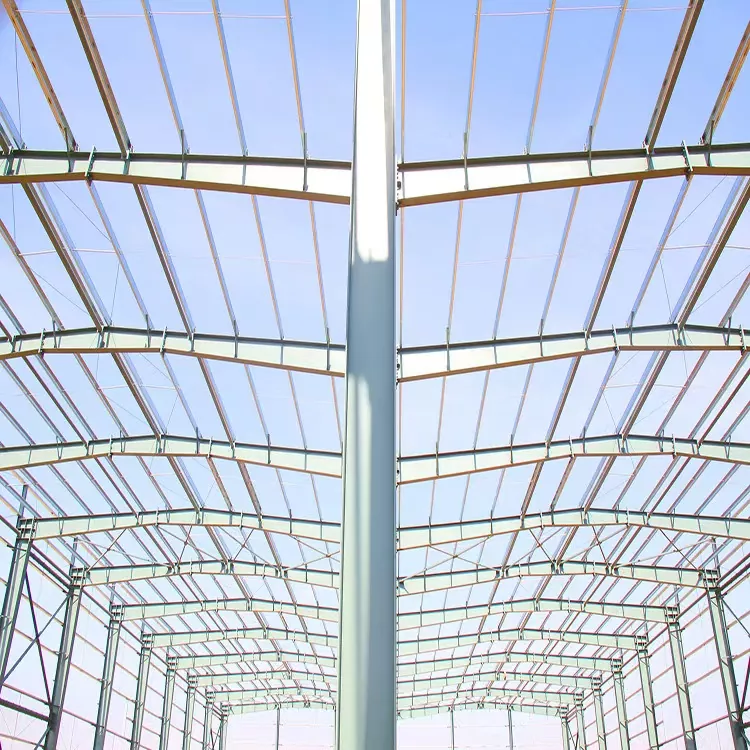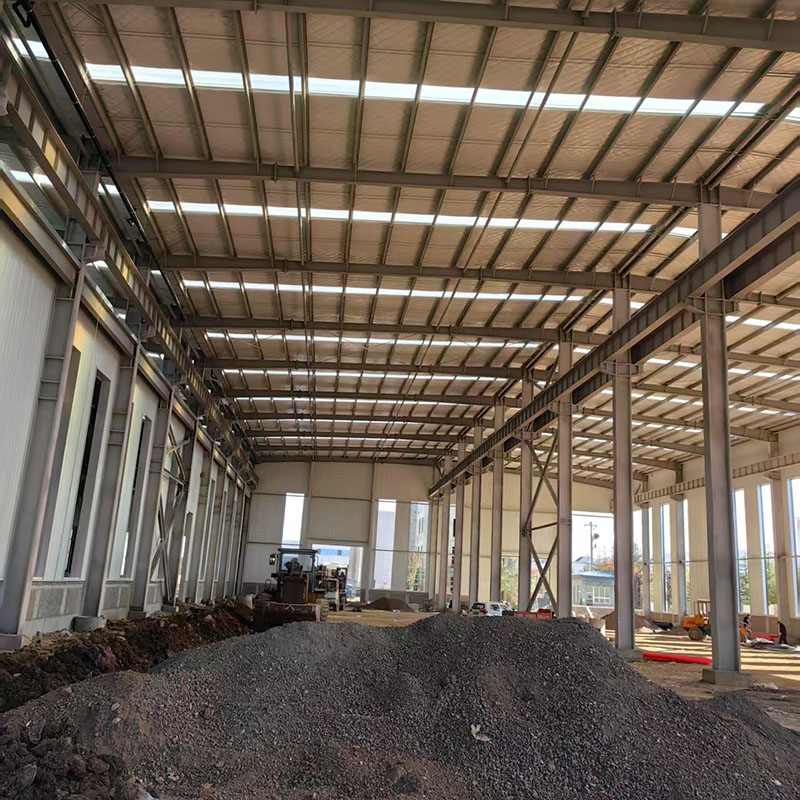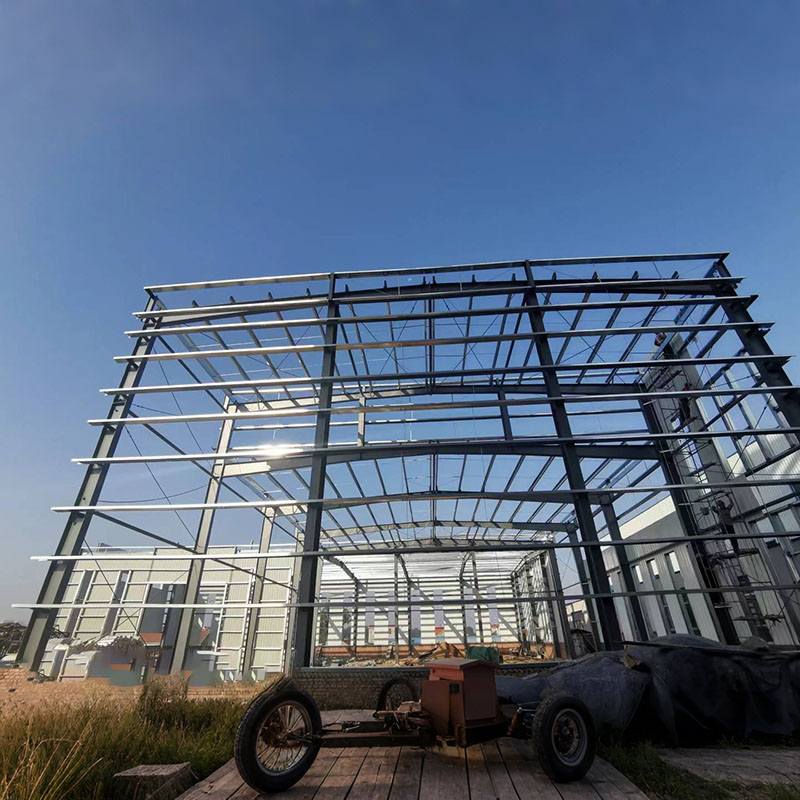
A steel platform is more than just an elevated structure—it is a strategic investment that maximizes space, improves workflow efficiency, and ensures long-term structural safety in industrial and commercial environments. In this in-depth guide, I will explain what a steel platform is, how it works, where it is used, and why it has become an essential solution for warehouses, factories, and logistics centers worldwide.
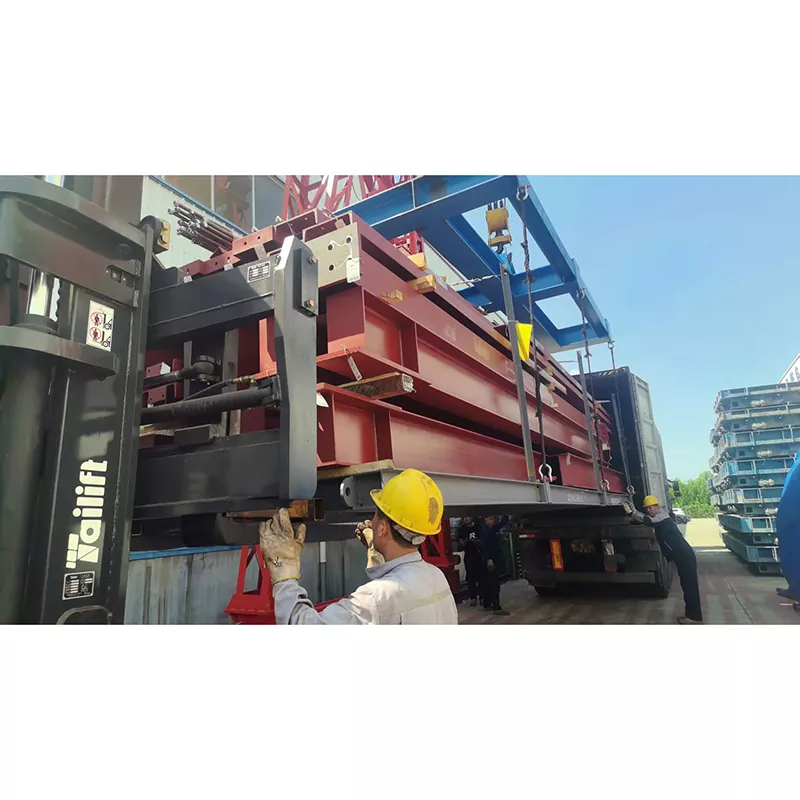
A steel platform is an elevated structural system made primarily from structural steel components such as columns, beams, joists, and decking. It is designed to create additional usable floor space within an existing building or outdoor environment without expanding the building footprint.
Unlike temporary scaffolding, a steel platform is a permanent or semi-permanent structure engineered to support specific loads, equipment, and human traffic. According to industry practices referenced by steel platform manufacturers, these systems are often modular, allowing future expansion or relocation.
In my experience, the primary reason companies invest in a steel platform is space optimization. Industrial land and construction costs continue to rise, and expanding vertically is often the most economical solution.
A steel platform allows businesses to scale operations while maintaining structural safety and operational continuity.
Understanding the structure of a steel platform helps decision-makers evaluate quality and safety. The core components typically include:
Load capacity is the heart of steel platform engineering. Designers calculate:
| Application Type | Typical Load Capacity |
|---|---|
| Light Storage | 250–500 kg/m² |
| Warehouse Platform | 500–1000 kg/m² |
| Heavy Machinery Platform | 1000+ kg/m² |
| Criteria | Steel Platform | Concrete Platform |
|---|---|---|
| Installation Speed | Fast (prefabricated) | Slow (curing required) |
| Flexibility | Highly modular | Permanent |
| Weight | Lightweight | Heavy |
| Future Expansion | Easy | Difficult |
This comparison explains why many companies, including Liweiyuan, focus on steel-based solutions for industrial platforms.
A well-designed steel platform is never one-size-fits-all. Customization options include:
Safety is non-negotiable. A compliant steel platform should meet:
A typical steel platform installation follows these steps:
Thanks to prefabrication, installation is often completed within weeks instead of months.
Steel platforms require minimal maintenance. Regular inspections, bolt tightening, and surface coating checks can extend service life beyond 20 years. This long-term durability translates directly into ROI.
With proper maintenance, a steel platform can last 20–30 years or more.
Yes. Modular steel platforms are designed for disassembly and reuse.
Absolutely, as long as it is engineered for the required load capacity.
Most projects require structural approval, but steel platforms often simplify compliance.
A steel platform is not just a structural element—it is a strategic tool for business growth. By choosing a professionally engineered solution from experienced suppliers like Liweiyuan, companies can unlock hidden space, improve efficiency, and future-proof their facilities.
If you are planning a warehouse upgrade or industrial expansion, now is the right time to contact us to explore how a customized steel platform can transform your space and operations.