Article Summary: A steel structure has become one of the most important construction solutions in modern architecture and industrial development. In this in-depth guide, I explain what a steel structure is, how it works, why it is increasingly replacing traditional building methods, and how businesses can benefit from its strength, flexibility, and cost efficiency. Drawing on real project experience and industry practices, this article also explores design principles, application scenarios, sustainability advantages, and common questions—helping decision-makers choose steel structure systems with confidence.
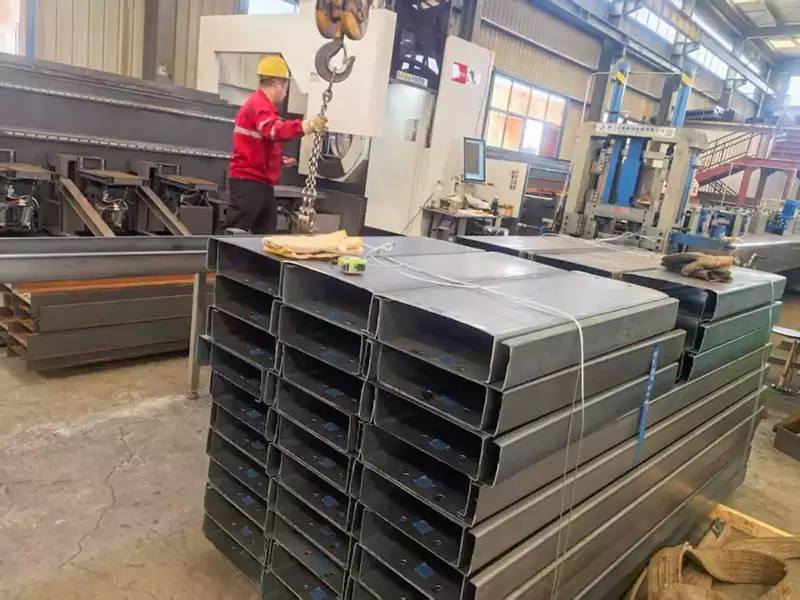
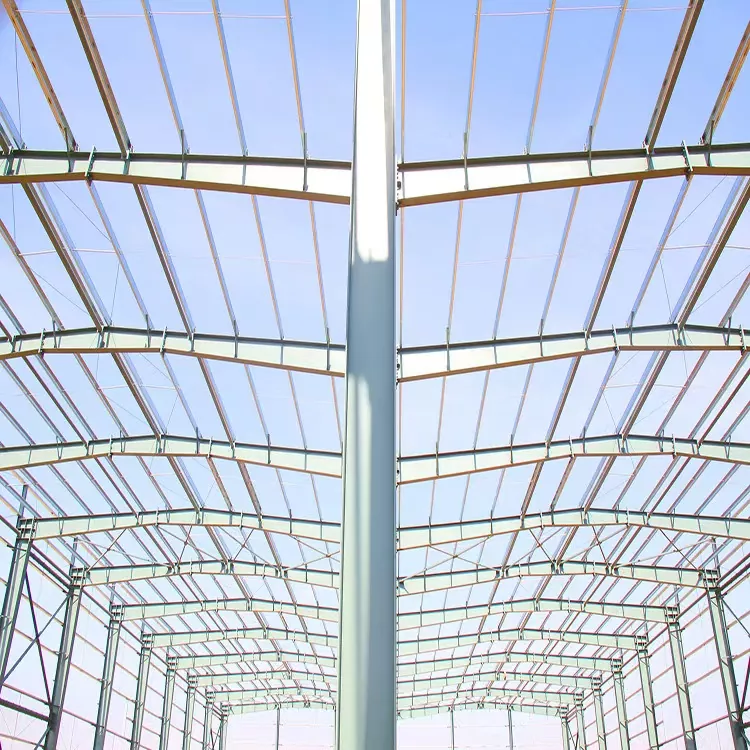
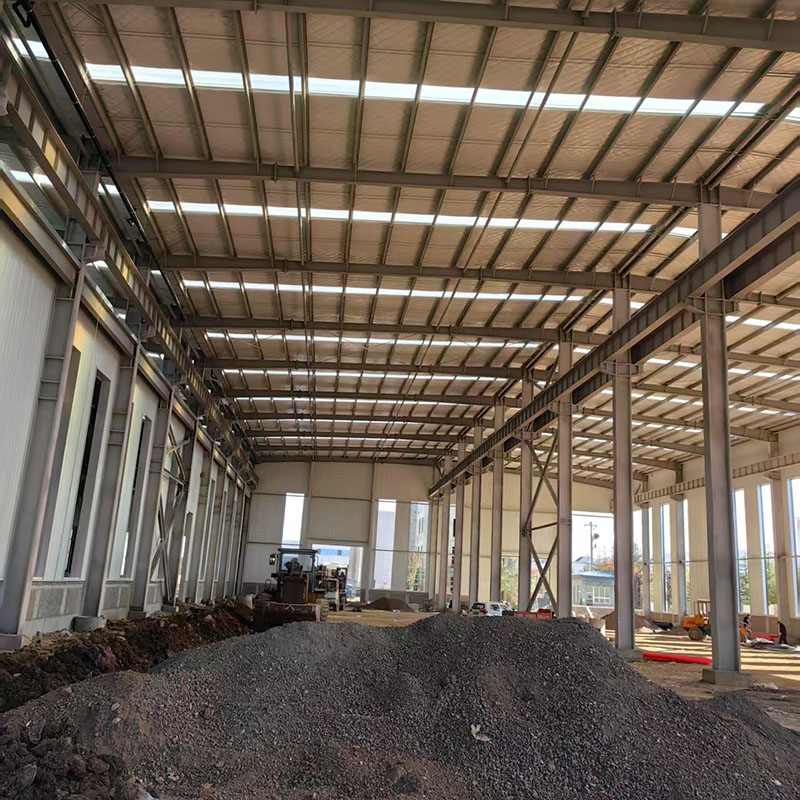
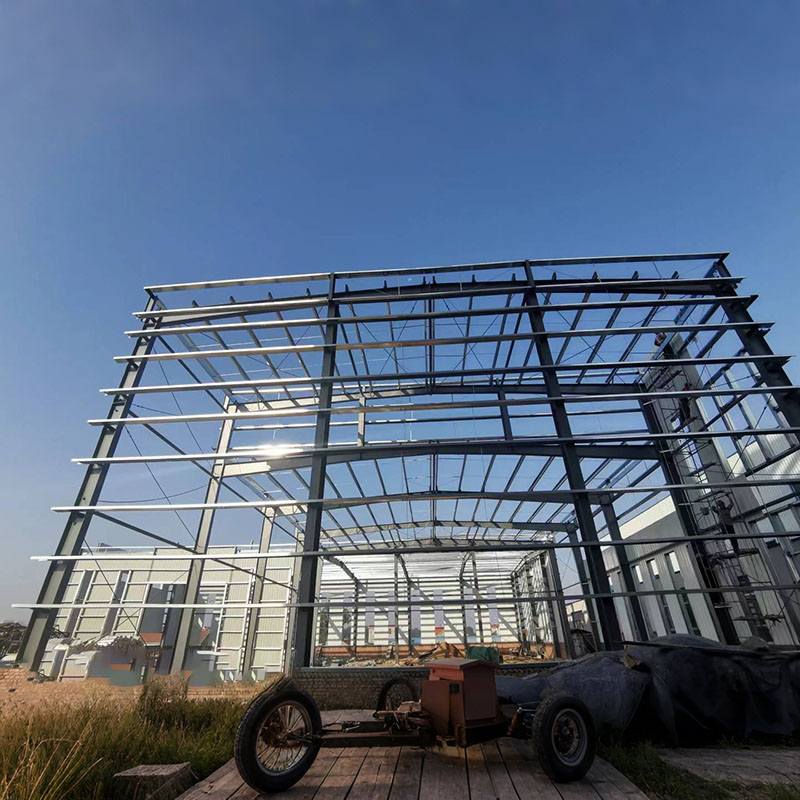
A steel structure is a building system in which the main load-bearing framework is made of structural steel components such as beams, columns, trusses, and braces. These components are fabricated in a factory under strict quality control and then transported to the construction site for assembly.
From my experience, one of the most appealing aspects of a steel structure is its predictability. Steel behaves consistently under load, which allows engineers to calculate strength and deformation with high accuracy. This makes steel structure systems ideal for projects that demand safety, precision, and scalability.
Unlike traditional masonry or reinforced concrete buildings, a steel structure relies on bolted or welded connections, enabling faster installation and easier future expansion.
The rapid growth of steel structure construction is driven by several global trends:
In many industrial projects I’ve seen, time is money. Steel structure buildings can reduce construction schedules by 30–50%, allowing owners to start operations sooner and recover investments faster.
| Component | Function | Description |
|---|---|---|
| Steel Columns | Vertical load support | Transfer building loads to the foundation |
| Steel Beams | Horizontal load distribution | Support floors and roofing systems |
| Bracing System | Lateral stability | Resists wind and seismic forces |
| Roof & Wall Panels | Enclosure | Provide insulation and weather protection |
Each component in a steel structure is designed to work together as a complete system, ensuring both strength and efficiency.
Steel structure buildings are not one-size-fits-all. Depending on usage, span, and load requirements, different systems can be applied:
If you’re evaluating options, this detailed steel structure overview provides helpful technical insights.
| Aspect | Steel Structure | Concrete Structure |
|---|---|---|
| Construction Speed | Fast, prefabricated | Slow, on-site casting |
| Weight | Lightweight | Heavy |
| Flexibility | Easy to modify | Difficult to alter |
| Environmental Impact | Highly recyclable | High carbon footprint |
In many cases, choosing a steel structure is not just an engineering decision—it’s a strategic business choice.
From my perspective, the combination of durability and adaptability is what truly sets steel structure systems apart.
Designing a steel structure involves more than selecting steel sections. Engineers must consider:
Professional steel structure manufacturers like Liweiyuan integrate design, fabrication, and construction planning to ensure smooth project execution.
Steel structure systems are widely used in:
These applications demonstrate how versatile and scalable steel structure solutions can be.
Sustainability is no longer optional. A steel structure supports green construction by:
Many modern projects aim for environmental certifications, and steel structure construction aligns well with these goals.
With extensive project experience and a focus on quality, Liweiyuan provides integrated steel structure services—from design and fabrication to installation support. I believe working with an experienced partner minimizes risks and ensures long-term performance.
By combining advanced manufacturing with engineering expertise, Liweiyuan helps clients build steel structure projects that are safe, efficient, and future-proof.
With proper design and maintenance, a steel structure can last 50 years or more.
Yes. Steel structure systems offer excellent ductility and energy absorption, making them highly seismic-resistant.
Absolutely. One of the biggest advantages of steel structure buildings is their flexibility for future expansion.
When considering speed, durability, and lifecycle costs, steel structure construction is often more economical than traditional methods.
Final Thoughts:
If you are planning an industrial, commercial, or large-span building project, a steel structure offers unmatched advantages in strength, speed, and sustainability. Partnering with a reliable supplier like Liweiyuan can make all the difference. If you’re ready to optimize your next project, don’t hesitate to contact us and explore how a tailored steel structure solution can support your goals.