Anchor bolts for steel structures play a fundamental role in ensuring structural stability, safety, and long-term performance. From industrial plants and warehouses to commercial buildings and bridges, the correct selection of anchor bolts directly affects load transfer, seismic resistance, and overall structural integrity.
This in-depth guide explains what anchor bolts for steel structures are, how they work, the different types available, selection criteria, installation standards, and common mistakes to avoid. By the end of this article, engineers, contractors, and project owners will clearly understand how to choose the right anchor bolts for steel structure foundations based on real-world engineering requirements.
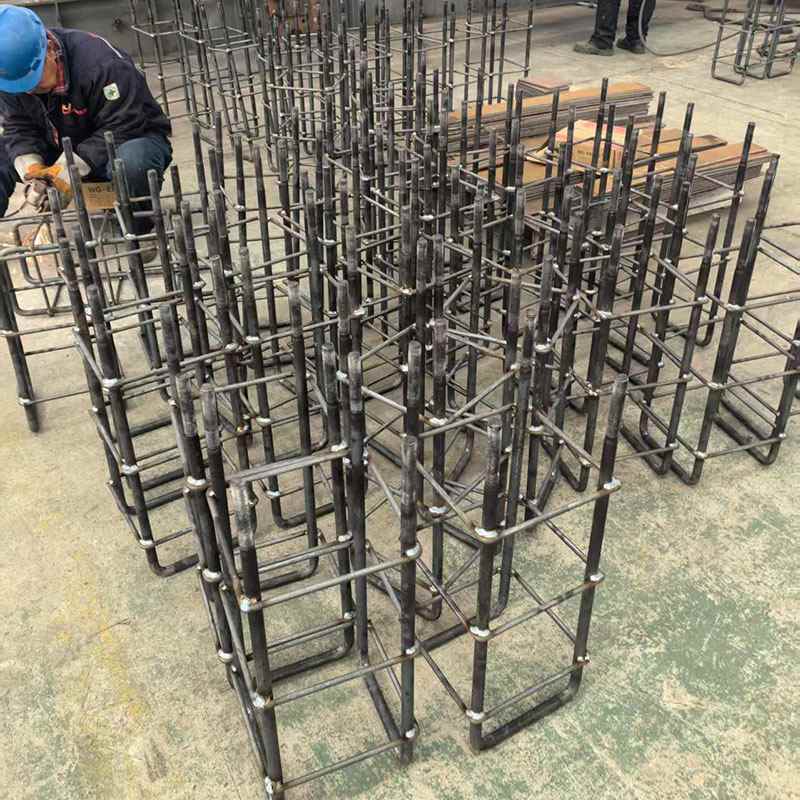
Anchor bolts for steel structures are fastening components used to connect steel columns, base plates, or frames securely to concrete foundations. They act as the critical interface between the steel superstructure and the concrete substructure.
These bolts are embedded in concrete and designed to resist:
Without properly selected and installed anchor bolts, steel structures may experience misalignment, excessive vibration, or even catastrophic failure.
Steel structures rely on precise load transfer. Anchor bolts serve as the primary load path between steel and concrete.
In seismic regions, anchor bolts for steel structures are especially important as they absorb energy and reduce stress concentration at column bases.
| Type | Description | Typical Application |
|---|---|---|
| L-Shaped Anchor Bolts | Traditional bent-end bolts embedded in concrete | Light to medium steel structures |
| J-Shaped Anchor Bolts | Hooked end for improved pull-out resistance | Columns and base plates |
| Headed Anchor Bolts | Bolts with forged or welded heads | Heavy-duty industrial steel structures |
| Anchor Rods | Straight rods with nuts and washers | High-load steel structure foundations |
Choosing the correct type depends on load requirements, foundation depth, and applicable design standards.
Anchor bolts must resist tensile, shear, and combined loads. Structural calculations should always dictate bolt size and quantity.
Deeper embedment generally provides higher pull-out resistance. However, excessive depth may increase cost without significant performance gains.
Corrosive environments require galvanized or stainless steel anchor bolts for steel structures.
Material selection directly impacts durability and strength.
| Material | Advantages | Typical Use |
|---|---|---|
| Carbon Steel | Cost-effective, high strength | General steel structures |
| Galvanized Steel | Corrosion resistance | Outdoor steel structures |
| Stainless Steel | Excellent corrosion resistance | Marine or chemical environments |
According to anchor bolt engineering guidelines, selecting the appropriate grade ensures compliance with international standards.
Following recognized standards such as ACI and ASTM ensures anchor bolts for steel structures perform as designed.
These mistakes often lead to costly rework or compromised structural safety.
Liweiyuan specializes in manufacturing high-performance anchor bolts for steel structures, offering customized solutions tailored to project-specific requirements.
The required length depends on load, embedment depth, and foundation thickness. Structural calculations determine the final specification.
Minor adjustments are possible, but major corrections usually require reinstallation or corrective measures.
Yes, galvanized anchor bolts offer excellent corrosion resistance for outdoor applications.
Choosing the right anchor bolts for steel structure foundations is a critical decision that affects safety, durability, and project success. By understanding bolt types, materials, load requirements, and installation standards, engineers and contractors can ensure optimal structural performance.
If you are looking for reliable, high-quality anchor bolt solutions for steel structures, Liweiyuan is ready to support your project. Contact us today to discuss your requirements and receive expert technical assistance.