Article Summary: In today’s evolving industrial landscape, steel platforms for equipment play a pivotal role in maximizing productivity, safety, and space utilization. This in-depth guide explores how these structures contribute to operational success, their benefits, structural components, customization options, and real-world applications backed by authoritative industry insights. We will also highlight why choosing a robust provider like Liweiyuan matters to your facility’s long-term performance.
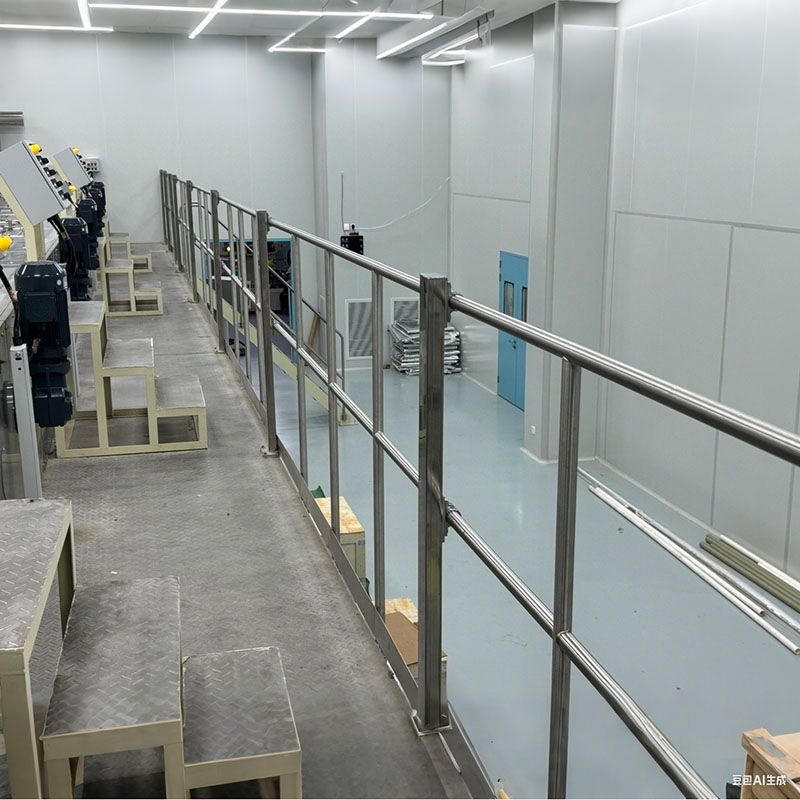
A steel platform for equipment is a robust steel structure designed to support, elevate, and organize heavy machinery, industrial tools, and operational support systems. Typically fabricated from structural steel sections and plates, these platforms provide elevated work surfaces, safe access points, and stable foundations that can withstand industrial loads and harsh environments.
These systems integrate steel columns, beams, decking, and safety elements like handrails and ladders to create tailored layouts for production floors, warehouses, and machine servicing areas.
Implementing a steel platform for equipment can significantly modernize industrial facilities. Key operational benefits include:
Steel equipment platforms are engineered with precision to deliver mechanical strength and long-term stability. Typical design elements include:
Every industrial space has unique demands. Top manufacturers like Liweiyuan provide custom engineering solutions, tailoring platform dimensions, load capacity, and access configurations to your machinery and workflow needs.
When planning a custom platform, engineers consider:
Steel platforms are used in a wide range of industrial contexts including:
| Feature | Standard Platform | Heavy-Duty Platform |
|---|---|---|
| Primary Material | ASTM A36 Structural Steel | ASTM A572 Grade 50 High-Strength Steel |
| Load Capacity | 125–150 PSF | 250+ PSF |
| Decking | 20-gauge Checker Plate | 3/16" or 1/4" Checker Plate |
| Finish | Red Oxide Primer | Hot-Dip Galvanized / Industrial Enamel |
Table data is based on industry standards and typical designs.
Steel platforms for equipment play an essential role in improving industrial operations by enhancing safety, expanding usable space, and supporting heavy-duty machinery. Choosing a trusted provider like Liweiyuan ensures tailored engineering design, durable construction, and long-term performance.
If you’re ready to optimize your space with a high-quality steel platform tailored to your facility’s needs, contact us today to discuss your project and get a custom solution that enhances operational efficiency.