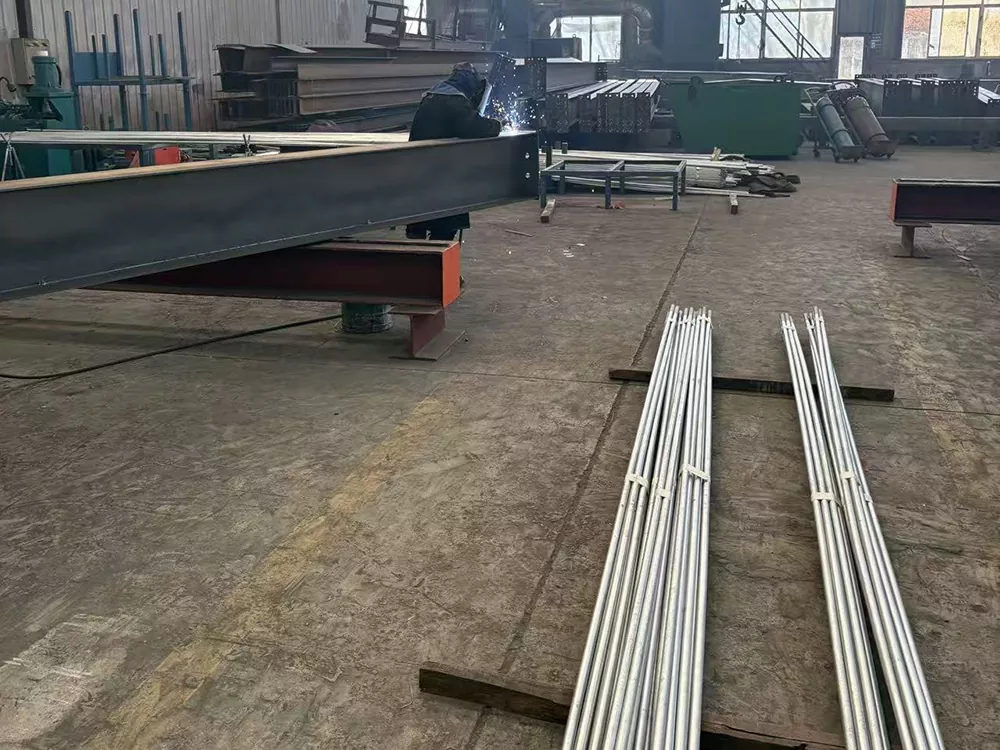
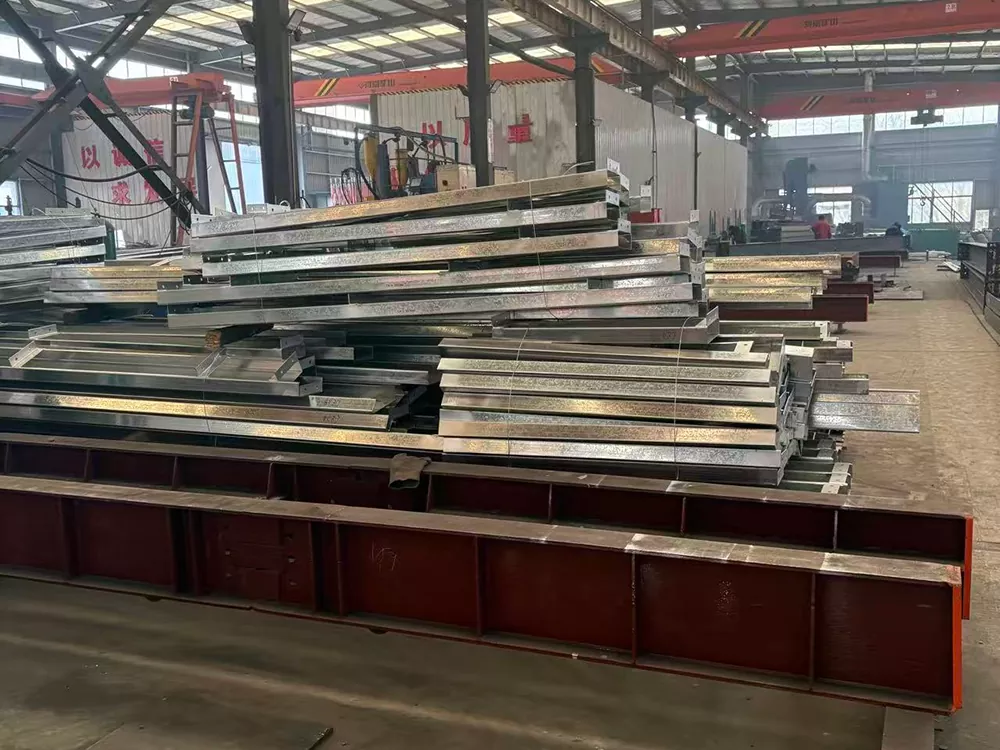
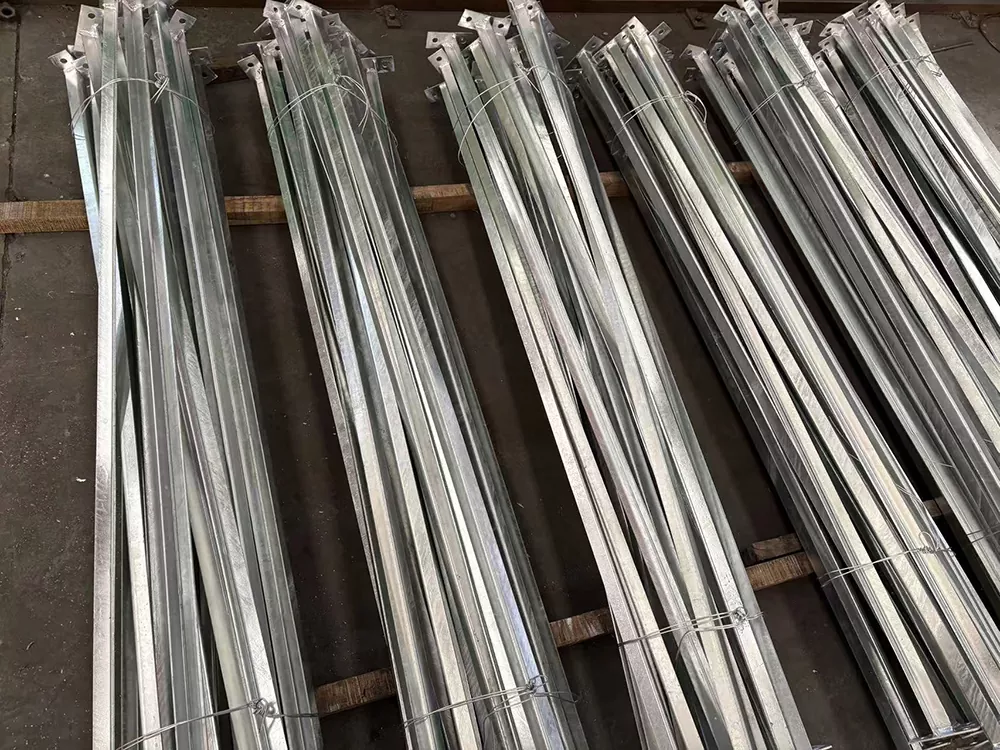
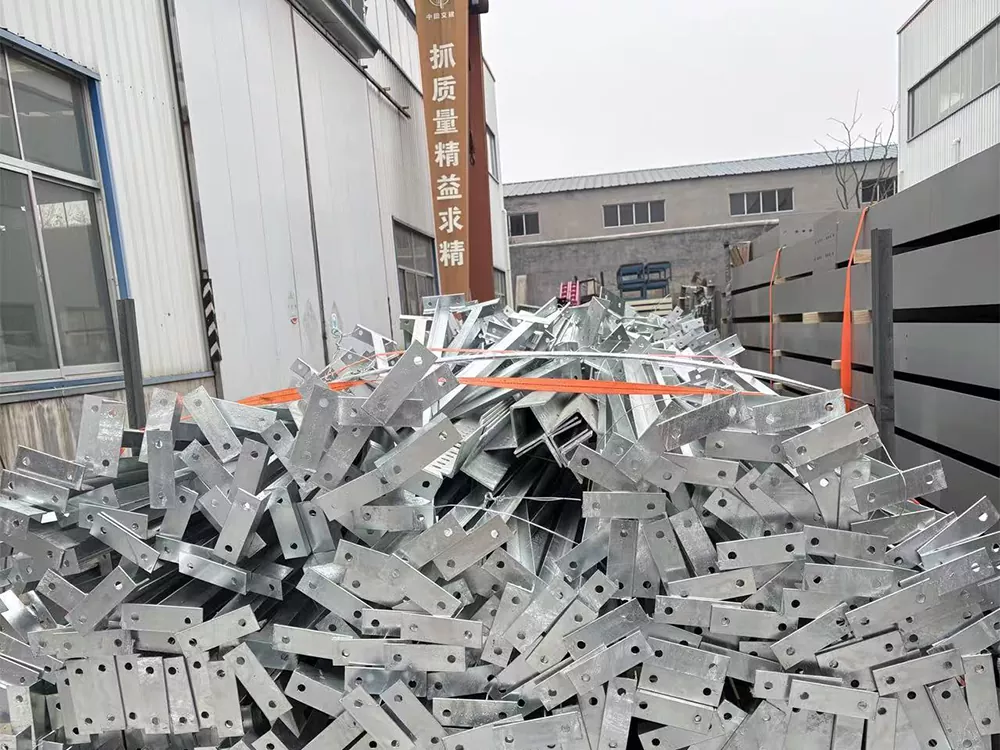
As a Chinese steel structure factory, LWY Steel Structure offers heavy-duty steel bracing components inclduding: tie rods, cross-bracing angles and hollow structural swing supports made from Q235B/Q355B steel grades. With precision CNC slotted gusset plates, hot-dip galvanized finishes exceeding 85 μm, and 100% factory pre-drilled bolt connections, our bracing systems eliminate field cutting, prevent wind sway.
Designed specifically to minimize installation overhead for contractors, every bracing member is factory pre-drilled, shot-blasted, and clearly inkjet-coded to match erection drawings. The entire bracing assembly relies on high-strength bolt connections, allowing local installation teams to bolt components into place without specialized on-site welding equipment. Furthermore, our factory bundles threaded rods, turnbuckles, and gusset plates into color-coded steel packaging crates to prevent shipping damage and streamline uncrating at the job site—delivering an economical, high-precision structural stability package directly from factory to project site.
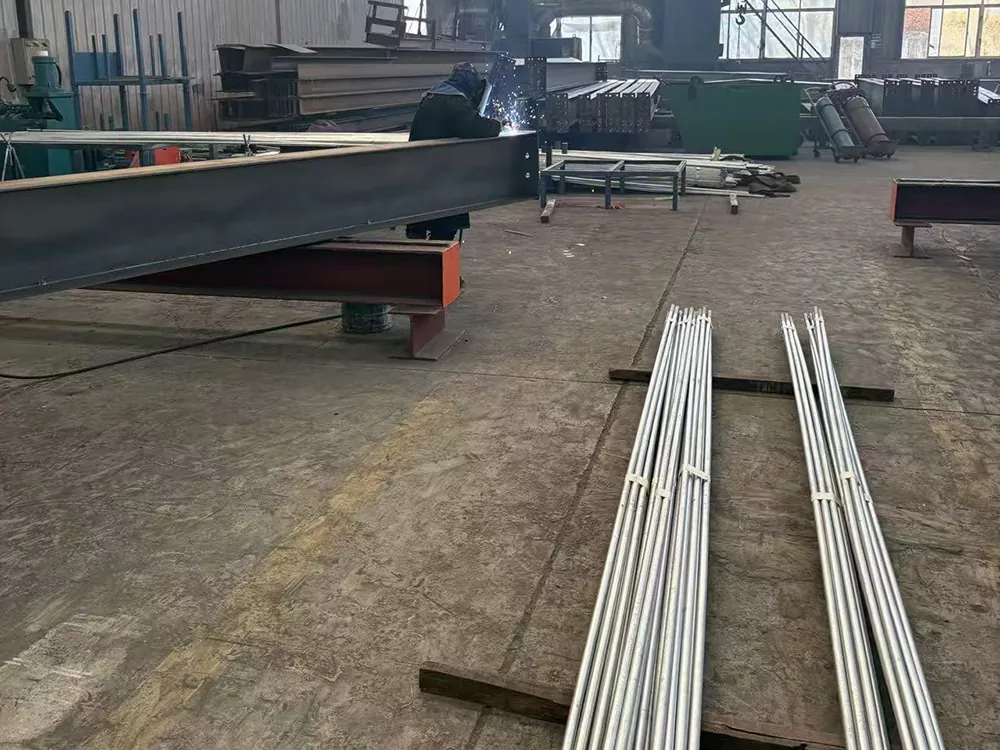
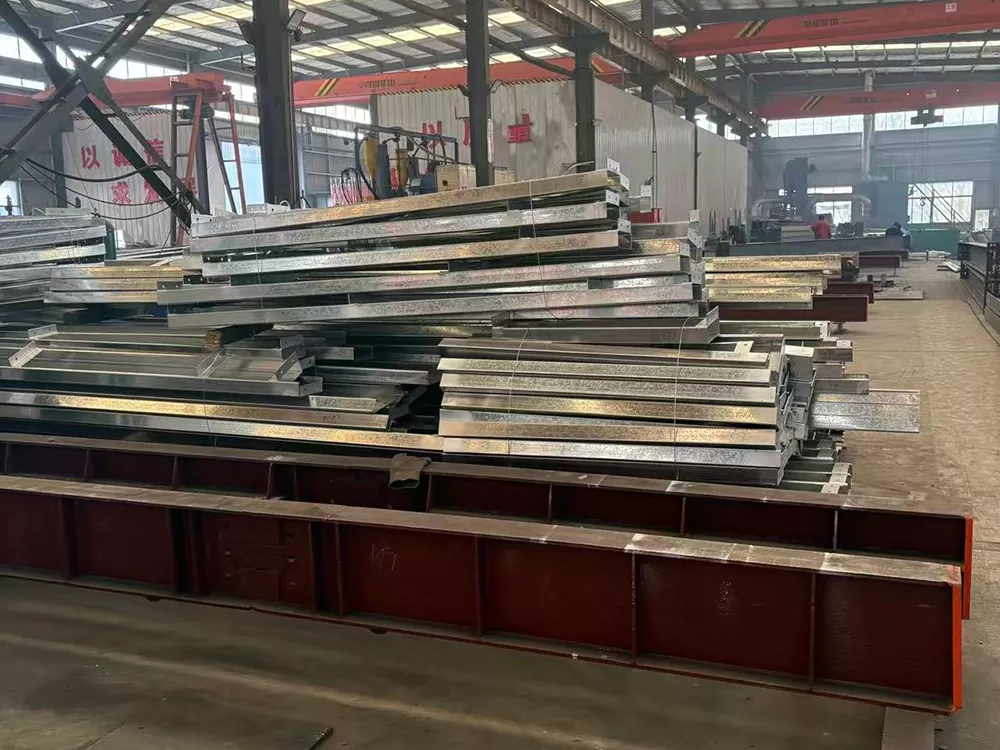
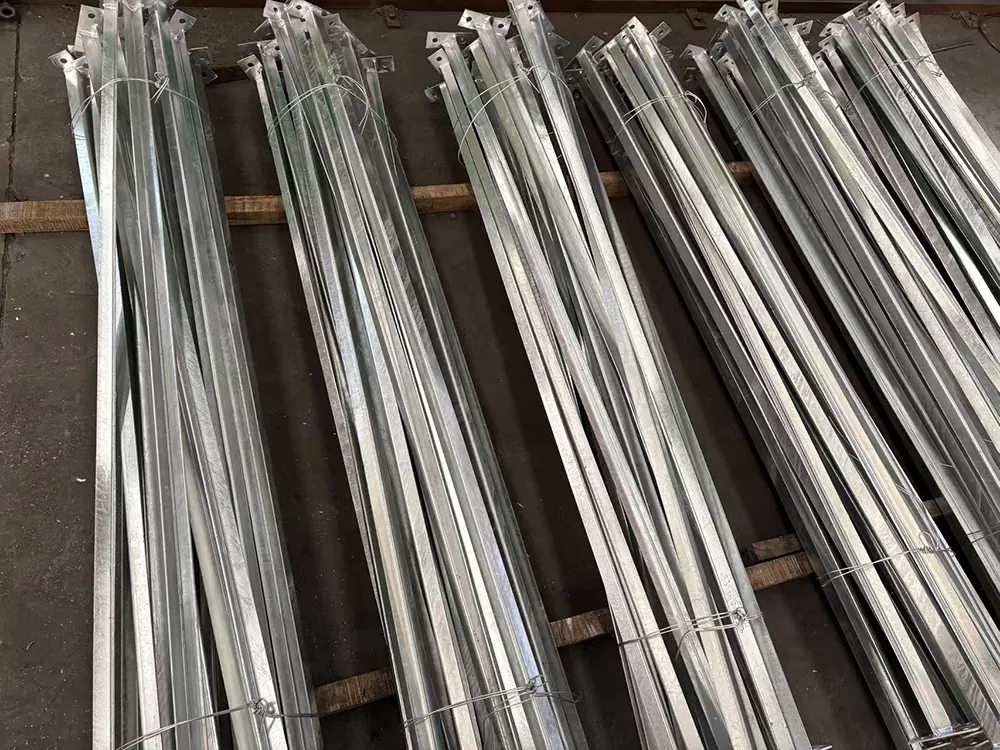
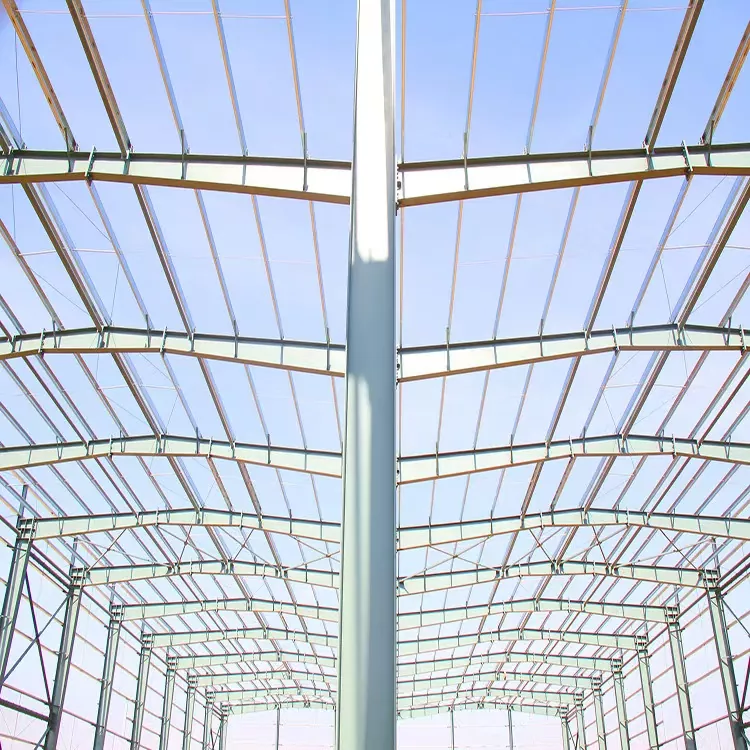
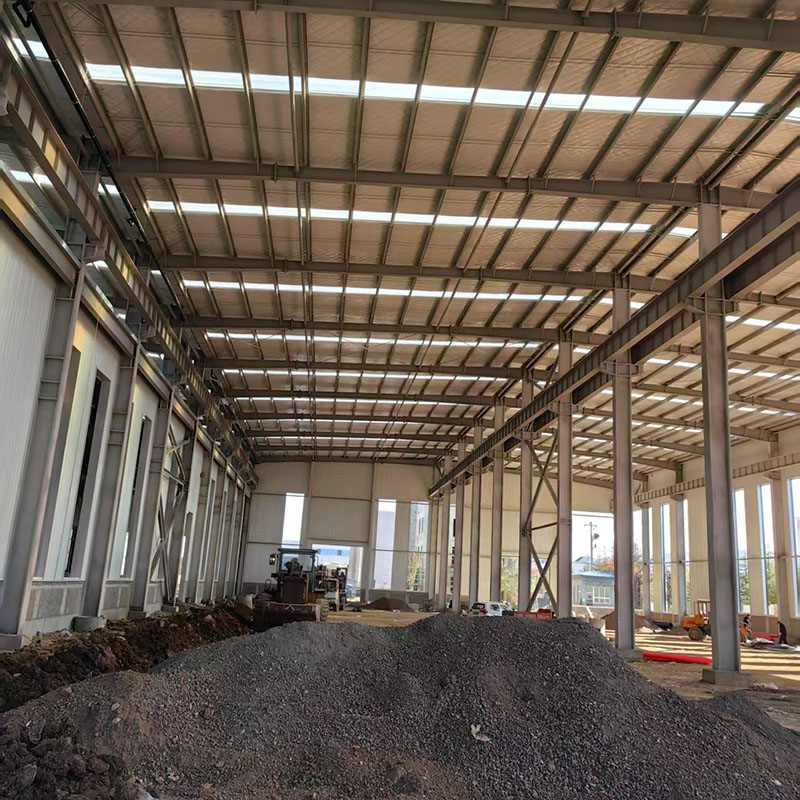
Diagonal steel bars in the roof plane transfer wind loads from the roof structure to the columns, keeping the top of the frame stable.
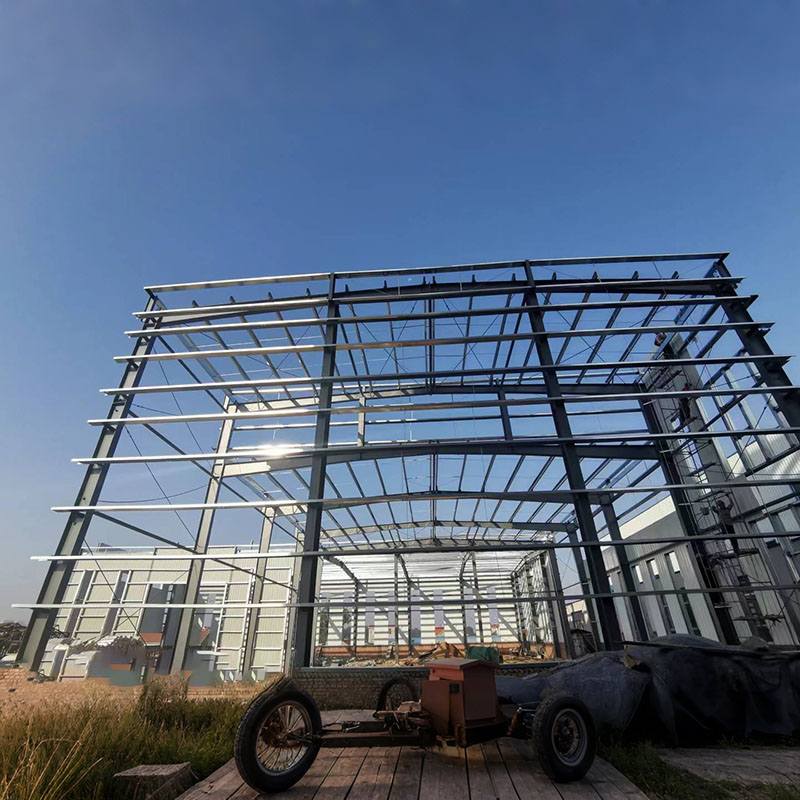
Cross bracing between columns along the building length resists longitudinal wind and crane forces, preventing the frame from toppling sideways.
Short diagonal members at the column-beam connection stiffen the joint and control frame sway, especially in portal frames and crane buildings.
Tension members that restrain purlins and girts between frames, keeping secondary members straight and transmitting loads back to the bracing system.
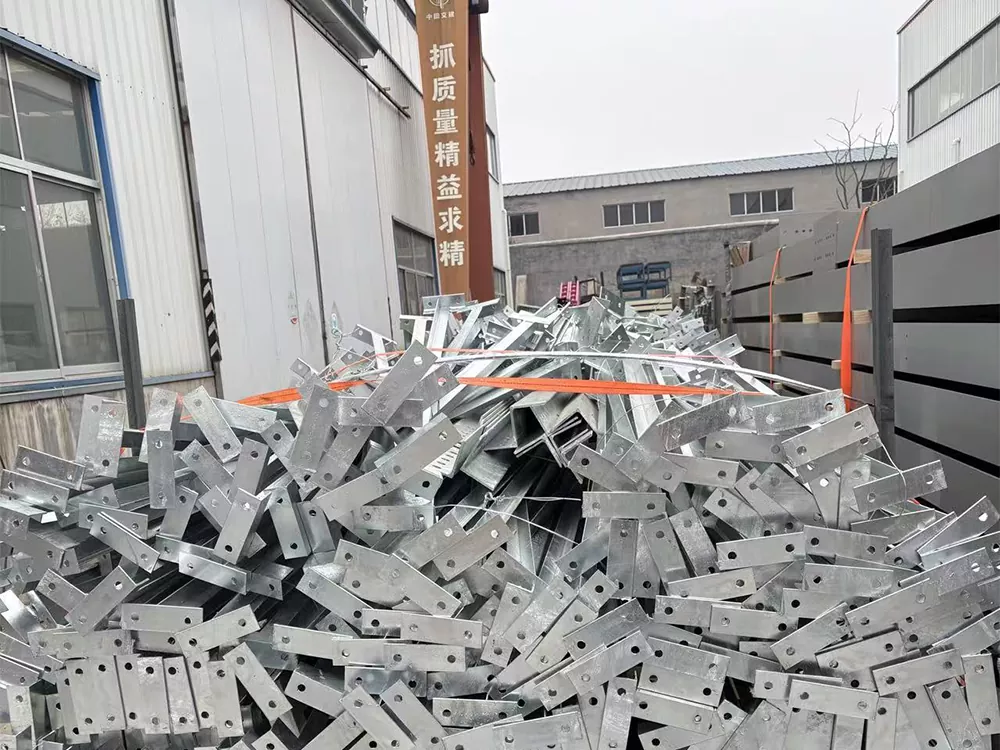
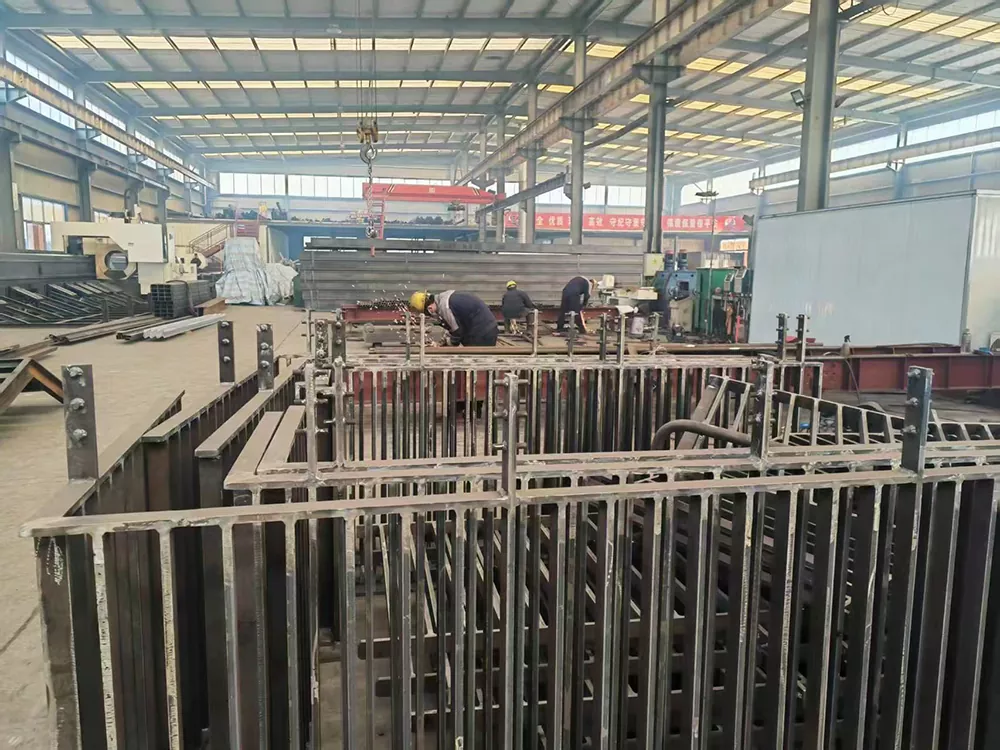
Bracing members work in tension and compression, which means their end connections carry the full design force. A bracing bar with poorly drilled holes or weak welds fails at the connection — not in the member. Our fabrication process controls the three things that matter: material grade, hole accuracy, and weld quality.
|
Component |
Typical Material |
Typical Size |
|
Roof horizontal bracing |
Q235B / Q355B |
φ20 round bar or angle |
|
Column vertical bracing |
Q235B / Q355B |
φ20 round bar or angle |
|
Knee brace |
Q235 angle |
L50×4 (or per design) |
|
Tie rod / sag rod |
Q235 |
Φ10 – Φ12 round bar |
|
Casing tube |
Q235 |
φ32×2.0 pipe |
|
Anchor bolts |
Q235 / Q355 |
Per foundation design |
|
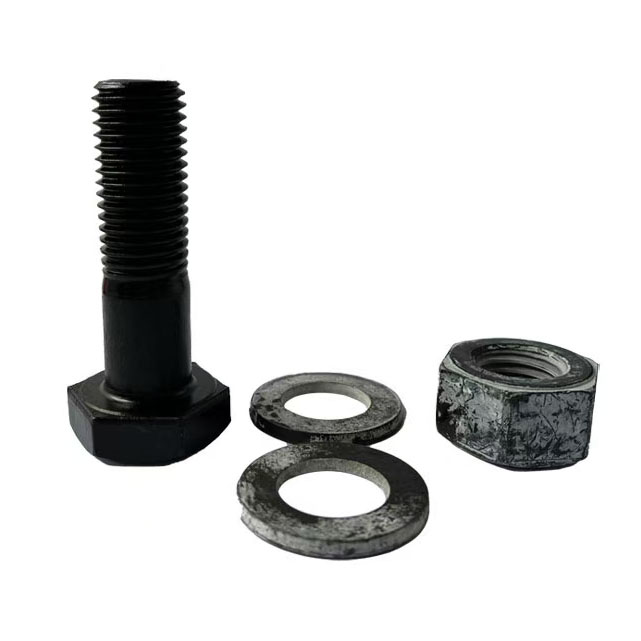
High-strength bolts |
10.9S / 8.8S |
Per connection design |
The table shows our standard range; members are always cut, drilled, and detailed to the project drawing. Galvanized or painted finish is available, and bracing components can be supplied loose for site assembly or pre-assembled in sub-frames.
Bars and angles are cut to length by CNC saws and drilled with multi-spindle drills, holding hole positions and diameters to standard tolerances so site bolting goes together without rework.
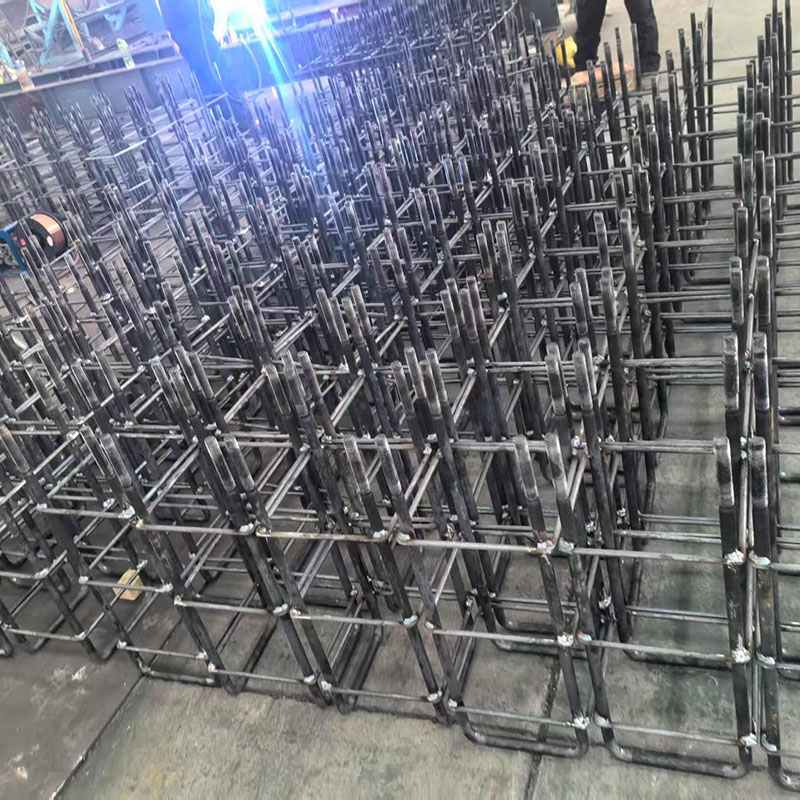
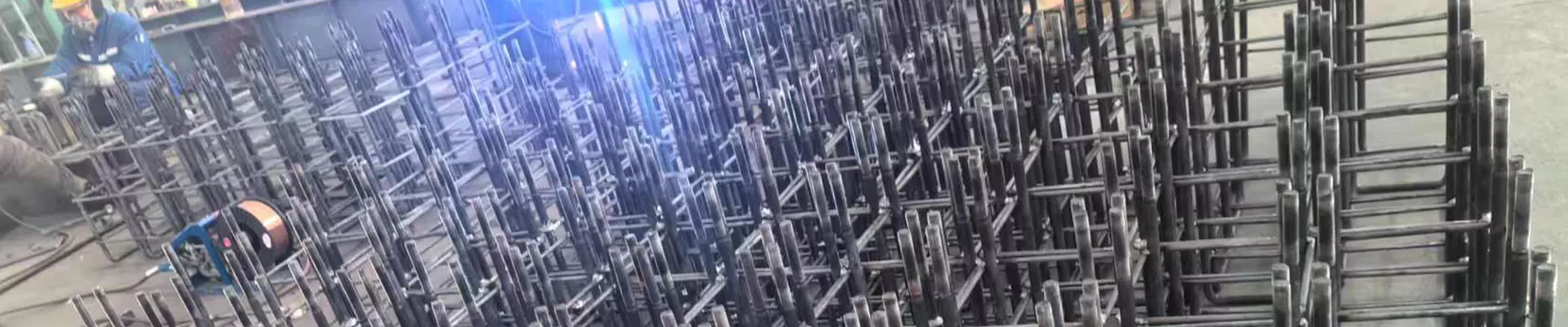
Gusset plates and connection welds are executed by certified welders, and critical welds receive the inspection level specified in the project.
Components are hot-dip galvanized or painted per specification, with edge and thread protection to keep bolt threads clean in transit.
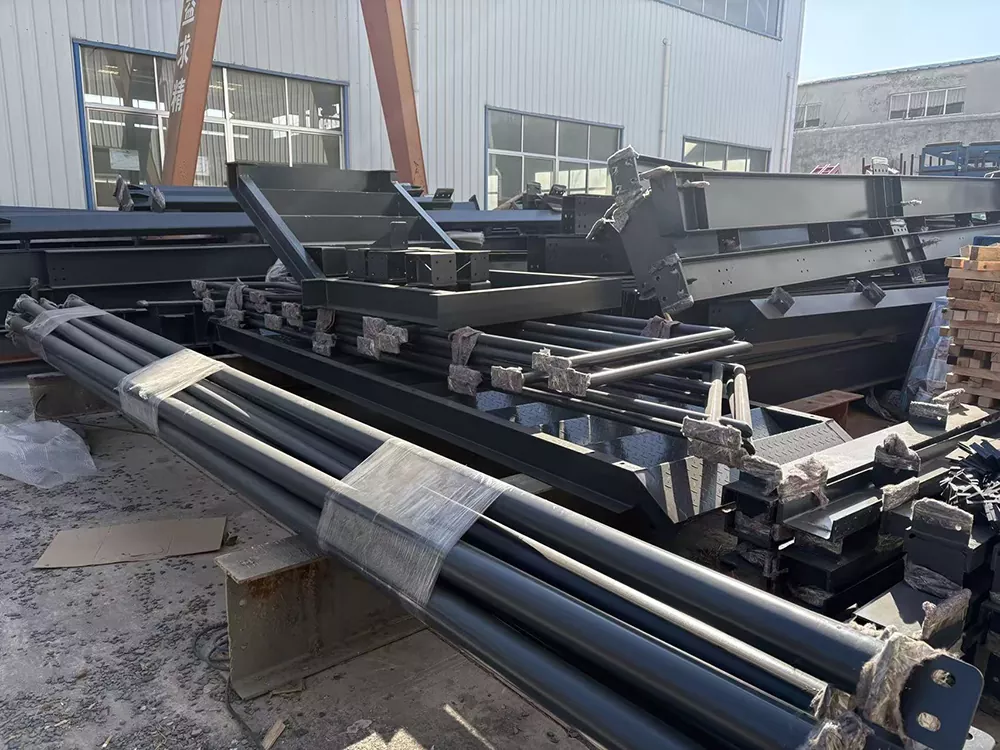
Each steel bracing components, tie rod, and gusset plate is permanently hard-stamped with its unique piece mark matching the engineering erection blueprints, alongside weatherproof inkjet labeling detailing project numbers, steel grades, and exact lengths for effortless identification on site. To protect hot-dip galvanized surfaces during transoceanic transit, all components are cushioned with foam protective spacers to prevent zinc layer friction, while long members are secured into compact steel-strapped bundles fitted with pre-attached nylon lifting slings that allow site teams to unload shipments directly using standard cranes or forklifts without manual rigging.
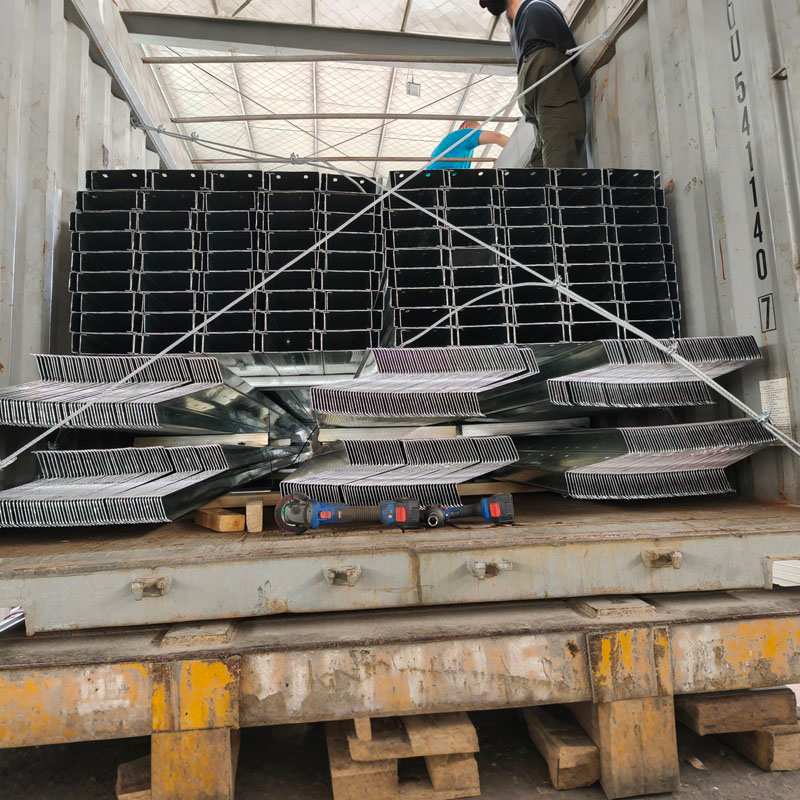
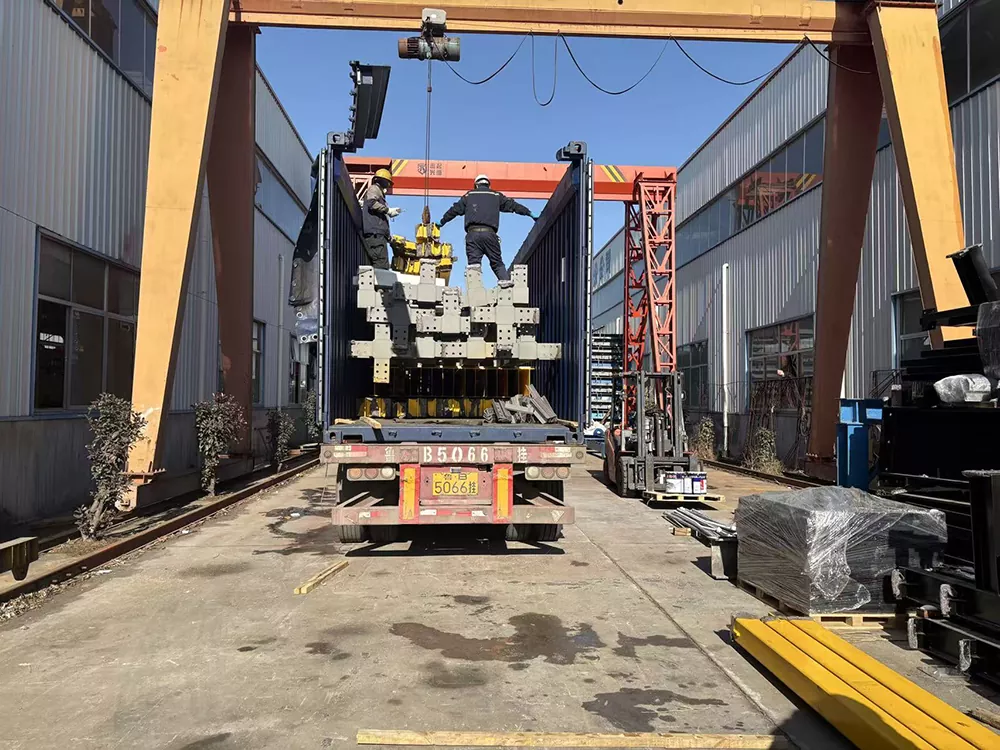
Smaller connecting hardware, such as adjustable turnbuckles, forged clevises, and high-strength fasteners, are organized and packed inside heavy-duty, heat-treated wooden cases that feature detailed exterior packing lists to guarantee zero missing parts upon delivery. Our factory optimizes component bundle dimensions specifically to maximize payload capacity within standard shipping containers, utilizing protective timber dunnage, tensioning straps, and heavy-duty inflatable air bags between the steel bundles and container walls to completely eliminate shifting and ensure pristine condition upon arrival.
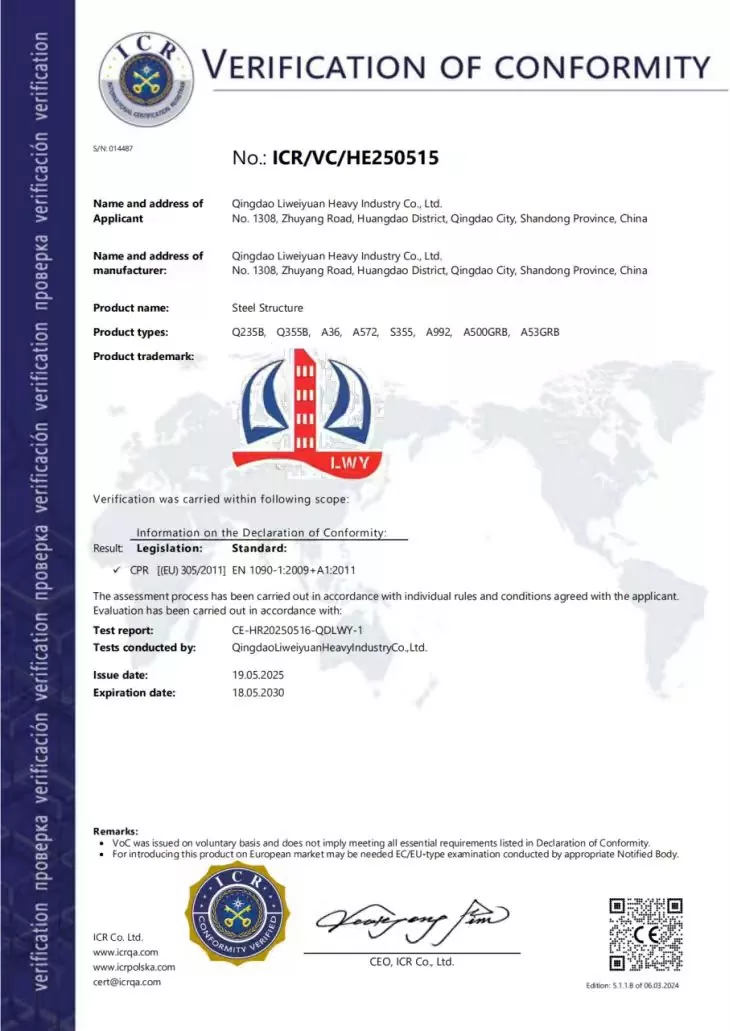
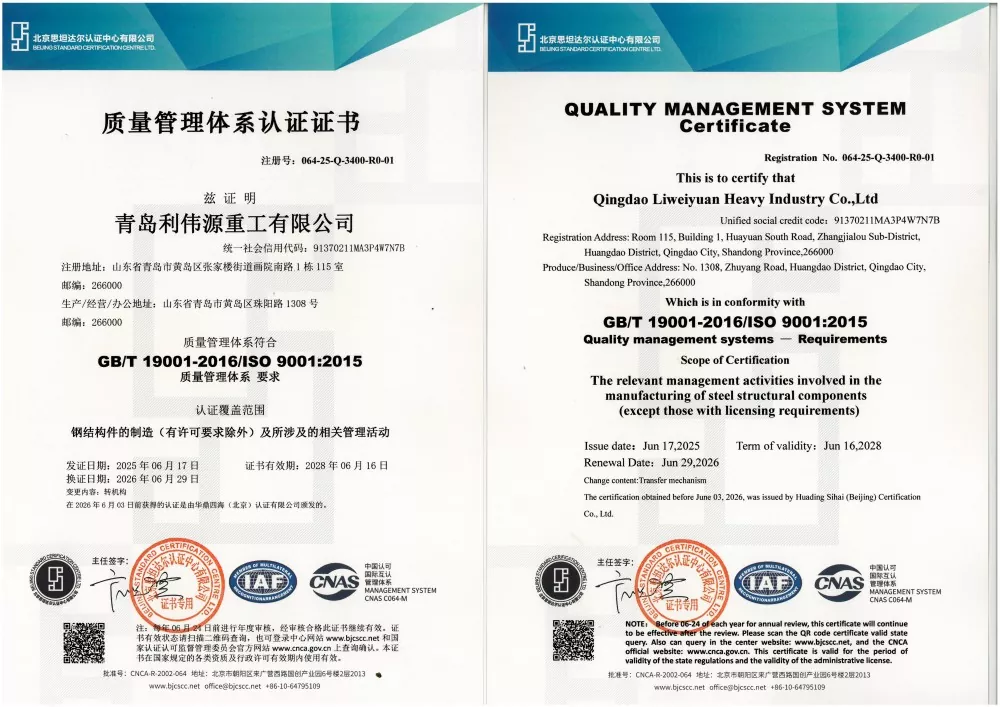
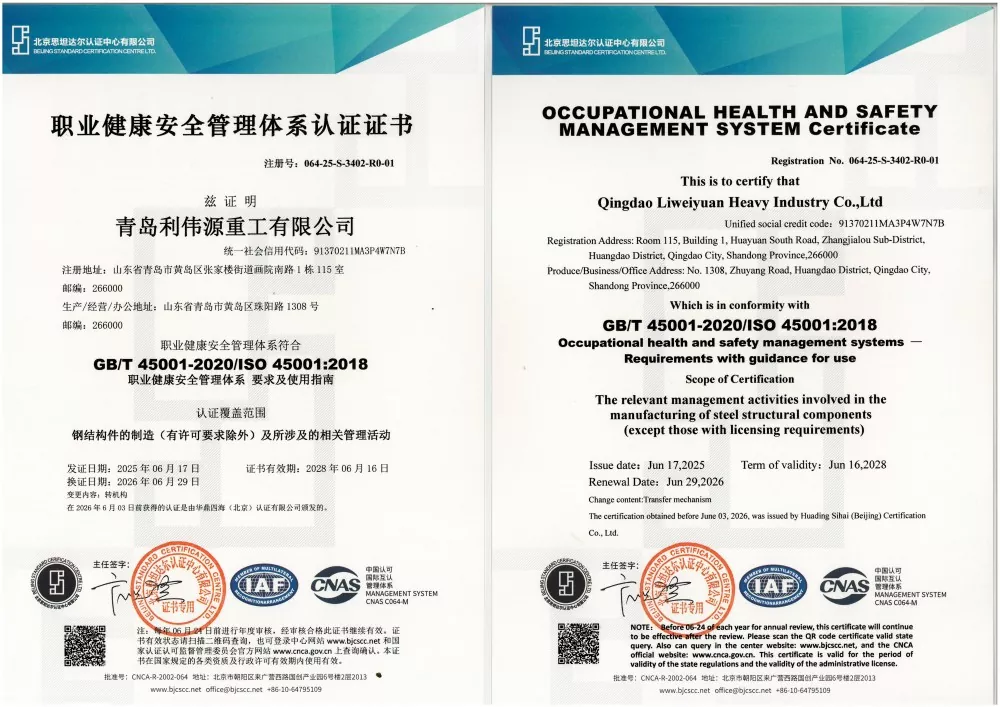
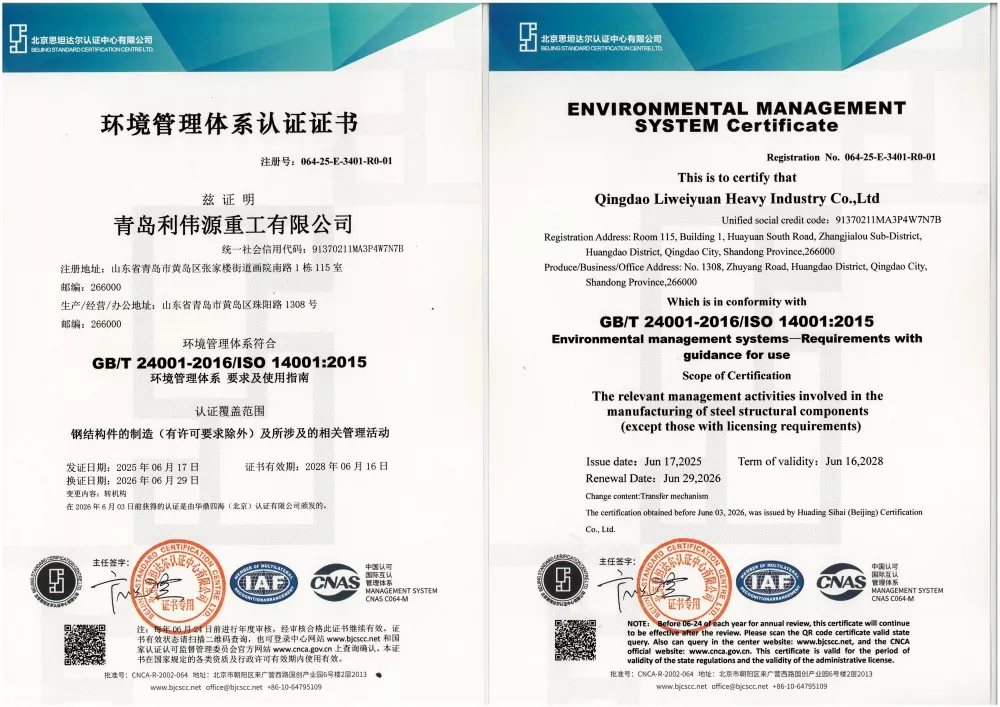
In July 2026, LWY Steel Structure completed and delivered a full batch of integrated custom steel structural components for an Icelandic fishery client. The components — including bracing members, connection parts, and supporting frames for the fishery facility — passed complete inspection before shipment. The project demonstrated our capacity to handle custom steel component orders with tight tolerance requirements, and all batch inspection records were delivered with the goods. For buyers who need bracing components tailored to a specific building or process, this is the standard we work to on every order.
A1: Yes. Send us your shop drawings or connection details and we will fabricate to them exactly. If you do not have details, our engineers produce the bracing layout and connection design for your confirmation before fabrication.
A2: Standard bracing members are Q235B and Q355B steel, with Q355B used where higher strength is required. Anchor bolts, high-strength bolts, and all fittings are supplied per the connection design.
A3: Both are available. Galvanizing per ISO 1461 is recommended for coastal and humid environments and for components exposed to weather; painting is the economical choice for interior bracing.
A4: Our Qingdao factory has an annual processing capacity of over 20,000 tons of steel components and a daily output above 60 tons, so bracing packages of any size fit into our production schedule.
A5: Members are marked against the shop drawing, bundled by erection sequence, and shipped with packing lists and batch inspection records. Container or flat-rack loading is arranged from Qingdao Port, 36km from our plant.