Article Summary: Steel structure purlins are critical components in modern metal buildings. This article explains what purlins are, why they matter in structural performance, types, installation, benefits, and real-world applications such as warehouses and industrial buildings. It also includes key technical comparisons, FAQs, and strategic insights to help engineers and project managers make informed decisions.
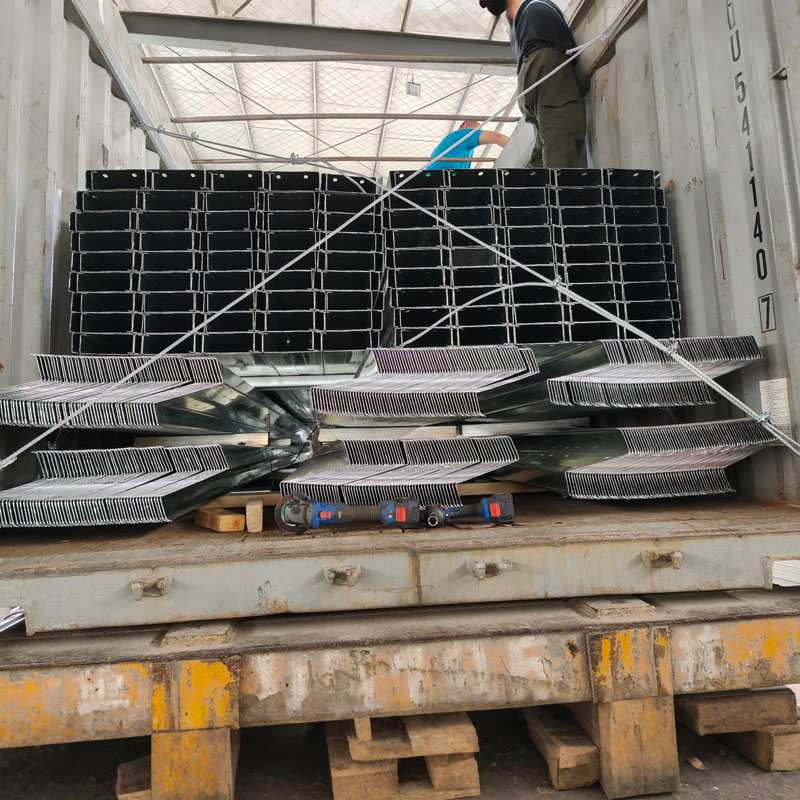
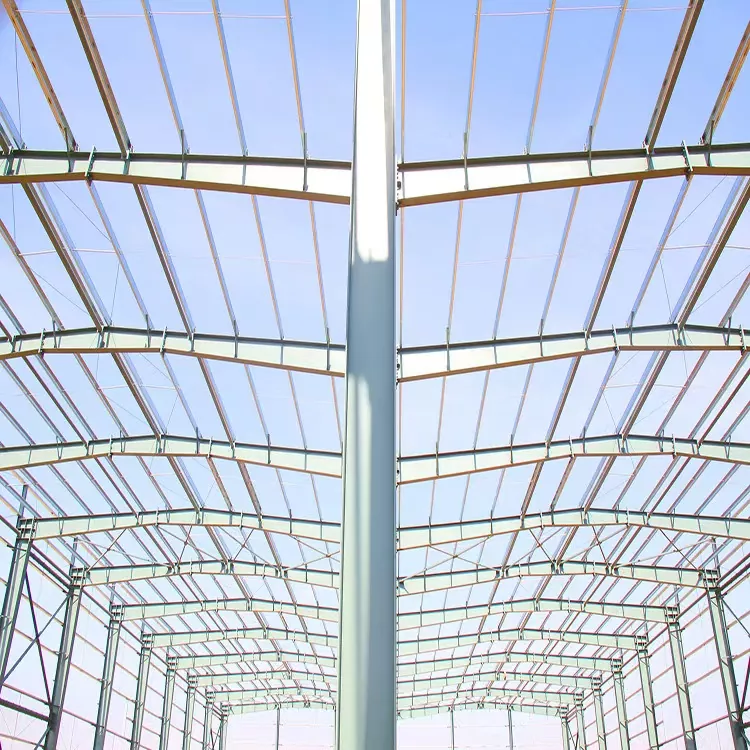
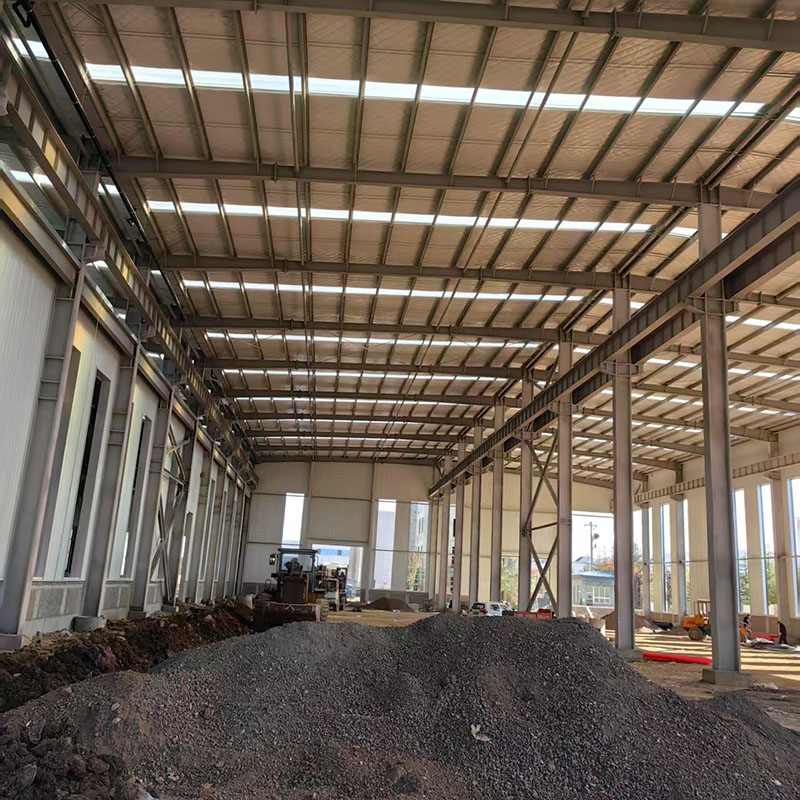
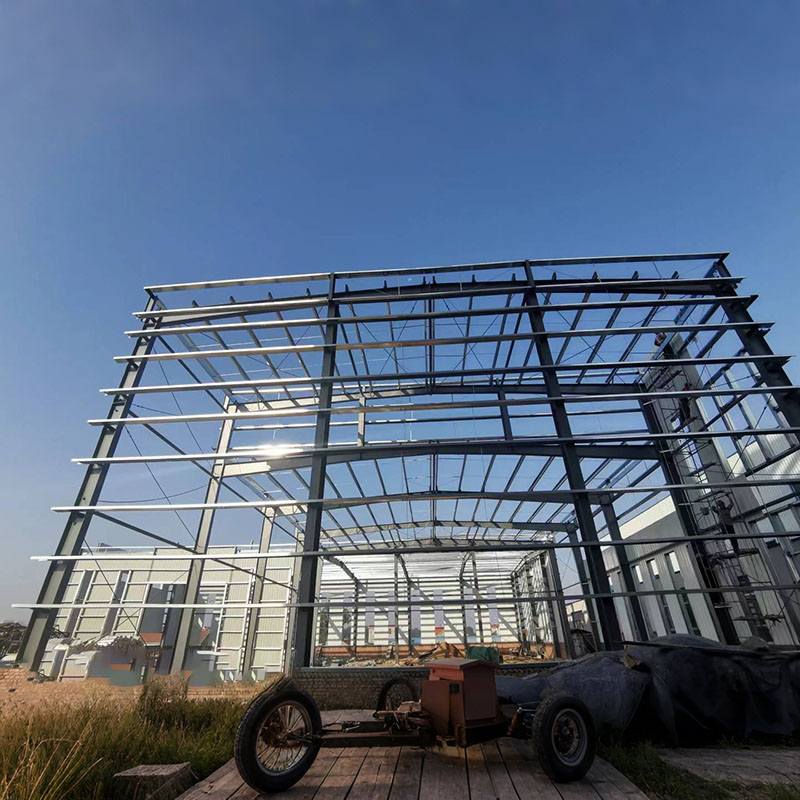
Steel structure purlins are horizontal secondary structural members in steel-framed buildings that support roof and wall cladding and distribute loads from panels to main beams or columns. They serve both structural and functional roles in metal building systems such as warehouses, factories, and agricultural structures.
The proper design and integration of purlins improve building longevity and load resilience.
Different purlin shapes address specific engineering requirements. Here are the most used types in steel structures:
| Purlin Type | Shape | Common Use |
|---|---|---|
| C-Purlin | C-shaped | General roofing & walls |
| Z-Purlin | Z-shaped | Greater spans & overlapped support |
| Channel / Angle-Section Purlin | U or L profile | Specific load-bearing needs |
C and Z shapes are most common, especially in pre-engineered buildings and industrial facilities due to ease of installation and performance.
Purlins are more than simple support beams — they are foundational to how a steel building handles forces like weight, wind, and vibration.
In large warehouses and industrial buildings, proper purlin selection significantly reduces seismic and wind-related risks on long-term performance.
Proper installation aligns purlins with main frames and ensures connection stability:
Following these standards helps avoid issues like misalignment or load failures on site.
Below is an example of common Z-type purlin size variations, suitable for different spans and loads:
| Model | Depth (mm) | Flange Width (mm) | Wall Thickness (mm) |
|---|---|---|---|
| Z100 | 100 | 40–50 | 1.6–3.2 |
| Z160 | 160 | 50–60 | 1.6–3.2 |
| Z220 | 220 | 60–75 | 1.6–3.2 |
| Z350 | 350 | 100–120 | 1.6–3.2 |
This specification reference reflects typical industry ranges; actual choices should be guided by structural calculations.
A: C-purlins are easier to cut and handle while Z-purlins offer better overlapping capability and are ideal for larger spans.
A: Yes — when configured as girts, steel purlins can support wall cladding in metal buildings.
A: Galvanized steel purlins typically last 30–50 years or more with proper protection and maintenance.
A: No — while common in industrial, agricultural, and warehouse applications, they can also be used in commercial and recreational structures.
Steel structure purlins are indispensable for modern construction, providing critical support, load distribution, and structural stability across a variety of building types. Whether specifying C-purlins for smaller spans or Z-purlins for higher load requirements, engineers and project stakeholders should prioritize proper selection and installation. For reliable quality and tailored solutions, companies like Liweiyuan offer a full range of steel structure purlins suited to diverse architectural needs.
contact us to discuss solutions, get customized quotes, and accelerate your next steel structure project!