Many project owners want a building system that is faster to install, easier to expand, and more dependable over the long term, yet they often worry about budget overruns, structural safety, corrosion, maintenance, and design limits. This article explains how a well-planned Steel Structure solution addresses those concerns in practical terms. It covers where delays usually happen, why material efficiency matters, how prefabrication improves jobsite control, and what buyers should check before choosing a supplier. It also highlights common applications such as warehouses, workshops, industrial buildings, agricultural facilities, platforms, and support systems. If you are evaluating a new project or replacing a traditional building method, this guide will help you compare options more clearly and make a more confident decision.

Construction projects rarely fail because of one dramatic mistake. More often, they lose momentum through a chain of smaller issues: materials arrive late, site work becomes harder than expected, labor coordination breaks down, drawings need revision, or the building system cannot adapt when the owner’s needs change. For factory owners, warehouse investors, agricultural developers, and engineering contractors, these problems quickly turn into higher costs and longer delivery cycles.
Traditional building approaches may also create hidden pressure in the later stages of a project. Heavy structural systems can increase foundation requirements. Wet trades can extend schedules. On-site fabrication may lead to inconsistent quality. If future expansion is likely, a rigid layout may become an expensive limitation. In many cases, the real question is not simply how to build a structure, but how to build one that remains efficient from design approval to long-term operation.
This is where a properly engineered Steel Structure becomes highly valuable. It is not just a frame. It is a coordinated solution that can improve structural efficiency, support prefabricated production, reduce site uncertainty, and give owners more freedom in span, layout, and future modification.
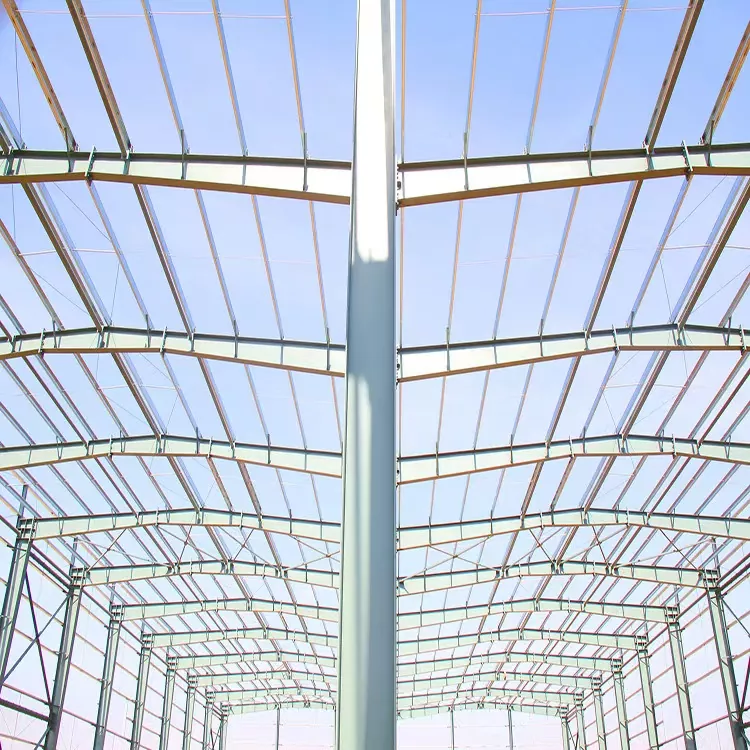
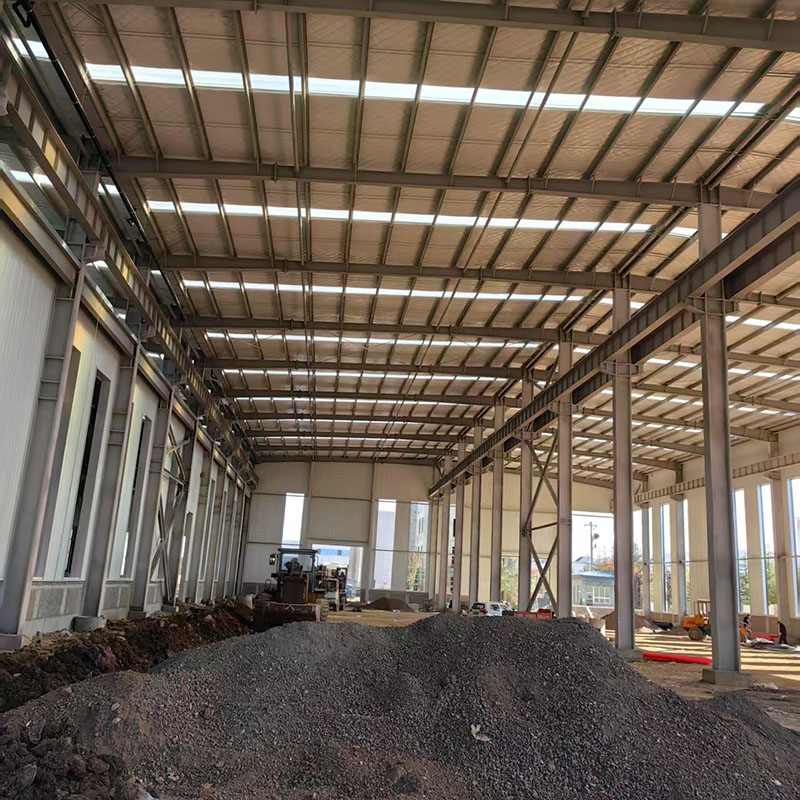
A high-quality Steel Structure helps solve several major pain points at once. First, steel provides an excellent balance between strength and weight. That matters because a lighter overall structural system can reduce transport pressure, simplify handling, and in many cases lower demands on the foundation. Second, steel components can be prefabricated with tighter dimensional control, which supports smoother installation on site. Third, the system itself is flexible enough to suit very different building types, from industrial workshops to storage buildings and support platforms.
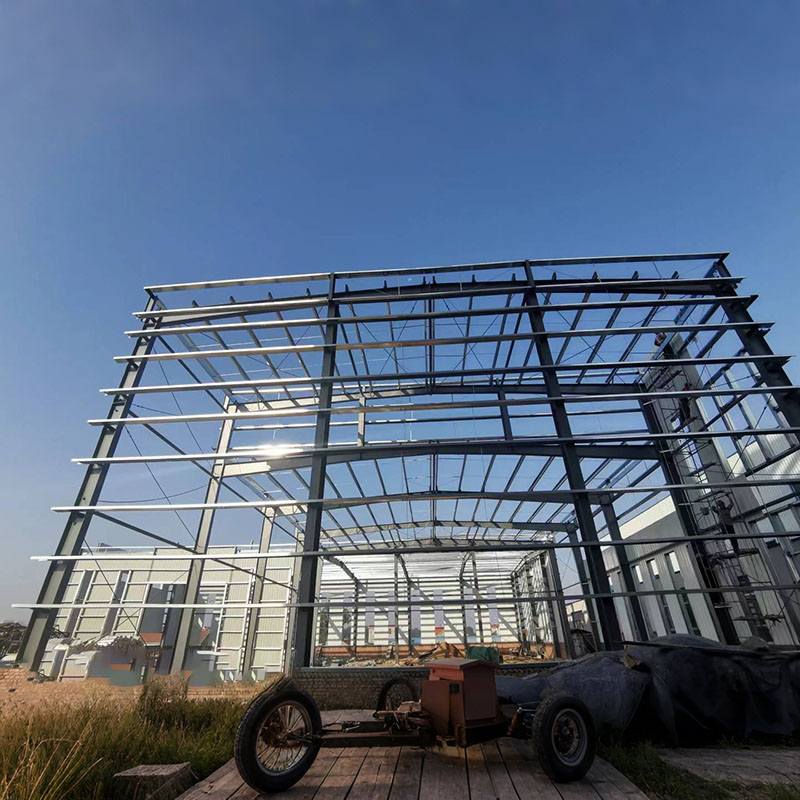
Another major advantage is project predictability. When components are fabricated in advance according to approved drawings, site crews spend less time improvising and more time assembling. This improves schedule control and can reduce waste caused by repeated corrections. For buyers who are balancing deadlines, cash flow, and operational launch targets, predictability is often just as important as raw material performance.
Durability is another concern buyers raise early in the process. A reliable Steel Structure is not defined by steel alone, but by the complete protection strategy behind it. Surface treatment, coating selection, fabrication quality, and environmental suitability all affect service life. In dry inland conditions, one specification may be sufficient. In humid coastal or industrial environments, more robust anti-corrosion planning may be necessary. The right supplier should not oversimplify this discussion.
Buyers often compare building systems by initial price alone, but that can be misleading. The better comparison includes schedule impact, usable span, construction efficiency, future expansion, and lifecycle practicality. The table below shows how decision makers often evaluate a Steel Structure against more conventional methods.
| Evaluation Factor | Steel Structure | Conventional Heavy Building Method |
|---|---|---|
| Construction Speed | Prefabricated members support faster site assembly and more predictable sequencing | May require longer on-site processes and more trade overlap |
| Span Flexibility | Well suited for larger clear spans and open interior layouts | May require more internal supports depending on the system |
| Expansion Potential | Often easier to extend, reinforce, or modify for future business growth | Alterations can be more disruptive and costly |
| Weight Efficiency | High strength-to-weight ratio helps optimize structural design | Heavier systems can increase foundation demand |
| Factory Precision | Components can be processed with consistent dimensions before shipment | More on-site variation may occur depending on construction method |
| Project Coordination | Drawing-based prefabrication improves planning clarity | Schedule control may depend more heavily on site conditions |
This comparison does not mean one method is always right and the other is always wrong. It means that for many commercial and industrial projects, Steel Structure provides an attractive balance of speed, adaptability, and operational value. That balance becomes even more important when the owner wants to begin production quickly or protect long-term return on investment.
One reason buyers continue to choose Steel Structure is its range of applications. It is not limited to one building type. With the right engineering and fabrication approach, it can support manufacturing, logistics, agriculture, storage, access systems, and special-purpose industrial infrastructure.
In practical terms, the best use case is usually one where time matters, open space matters, and operational flexibility matters. A warehouse investor wants quick turnover. A factory owner wants room for equipment and circulation. An agricultural developer wants durability with manageable maintenance. In each of these cases, Steel Structure offers a strong technical and commercial response.
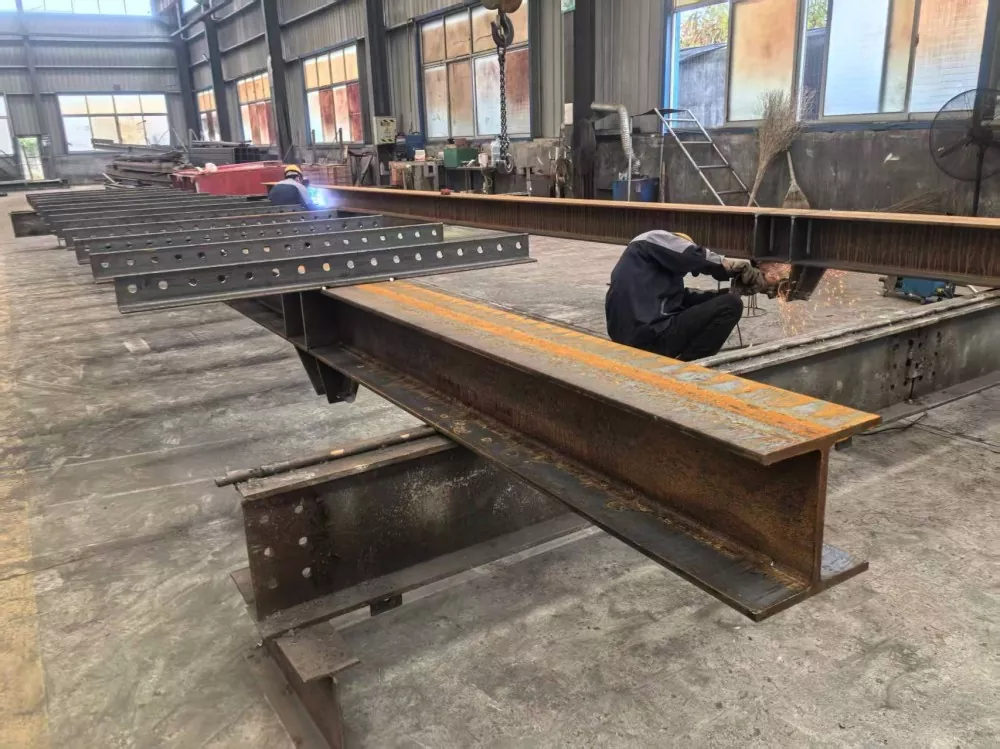
Even a strong building concept can become a weak purchase if the supplier selection process is careless. Buyers should look beyond brochure language and ask specific questions about engineering, materials, fabrication process, documentation, and after-sales communication. The most useful supplier is not the one who simply says yes to everything, but the one who helps reduce project risk before production begins.
| What to Check | Why It Matters |
|---|---|
| Project drawings and load requirements | Ensures the Steel Structure is matched to actual use conditions rather than generic assumptions |
| Material grade and specification details | Helps confirm structural suitability, durability, and compliance with the target project standard |
| Surface treatment and corrosion plan | Critical for long-term service life, especially in coastal, humid, or industrial environments |
| Fabrication capability | Shows whether the supplier can maintain precision, output consistency, and reliable delivery |
| Packing and shipment coordination | Reduces site confusion, unloading errors, and installation delays |
| Communication responsiveness | Important when revisions, approvals, or technical clarifications are needed during execution |
Buyers should also think in phases. The first phase is design fit. The second is manufacturing quality. The third is installation coordination. The fourth is long-term usability. When a supplier can support all four phases with clear communication, the project becomes easier to manage and less stressful for everyone involved.
For many overseas buyers, choosing a partner is not only about price. It is about whether the supplier understands how real projects are delivered. Qingdao Liweiyuan Heavy Industry Co., Ltd. focuses on practical steel solutions for different application scenarios and works to support buyers who need dependable fabrication, flexible customization, and clear communication throughout the process.
A good supplier relationship should help answer questions before they become site problems. That includes discussing the intended building use, span requirements, environmental conditions, connection details, protection treatments, and delivery planning. When this process is handled carefully, a Steel Structure order becomes more than a product purchase. It becomes a coordinated project solution built around efficiency, safety, and long-term usability.
Whether the need is a warehouse, factory building, farm structure, platform system, or supporting steel component package, buyers typically want the same thing: a reliable structure, a realistic timeline, and fewer surprises during execution. That is exactly why supplier quality matters so much in this industry.
Yes. Steel Structure is widely chosen for warehouses and factories because it supports open layouts, efficient spans, and relatively fast installation. It is especially useful when owners need flexible internal space for storage systems, machinery, or production lines.
In many cases, yes. Prefabricated components can reduce on-site uncertainty and improve assembly efficiency. While every project still depends on planning, logistics, and site readiness, a well-organized steel system often helps improve schedule control.
It is extremely important. The right coating or protection system depends on the project environment. Humidity, salt exposure, industrial pollution, and maintenance expectations should all be considered before finalizing the specification.
Yes. One of the biggest strengths of Steel Structure is its adaptability. Dimensions, spans, connection methods, component layouts, and support systems can all be adjusted according to project requirements.
It helps to provide the project type, dimensions, intended use, site location, local environmental conditions, and any available drawings or load requirements. The more complete the information, the more accurate and useful the quotation will be.
If your project is under pressure from rising labor costs, uncertain schedules, or long-term maintenance concerns, a properly planned Steel Structure may be the more practical path forward. It can help you build faster, manage space more efficiently, and maintain better control from fabrication to final installation.
If you are comparing options for a warehouse, workshop, agricultural facility, platform system, or custom industrial building, now is the right time to discuss your requirements in detail. Share your drawings, dimensions, or application goals with Qingdao Liweiyuan Heavy Industry Co., Ltd. and let a professional team help you turn ideas into a dependable structure. For tailored solutions, prompt quotations, and project-focused support, contact us today.
Ready to move your project forward with a dependable Steel Structure solution? Send your specifications, drawings, or inquiry details to Qingdao Liweiyuan Heavy Industry Co., Ltd. and contact us for expert support, customized recommendations, and a quotation built around your actual project needs.