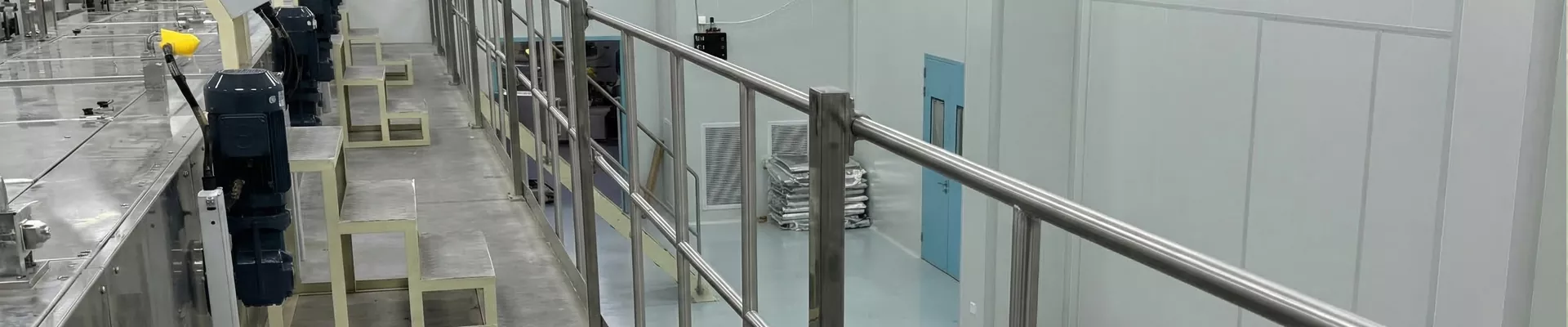
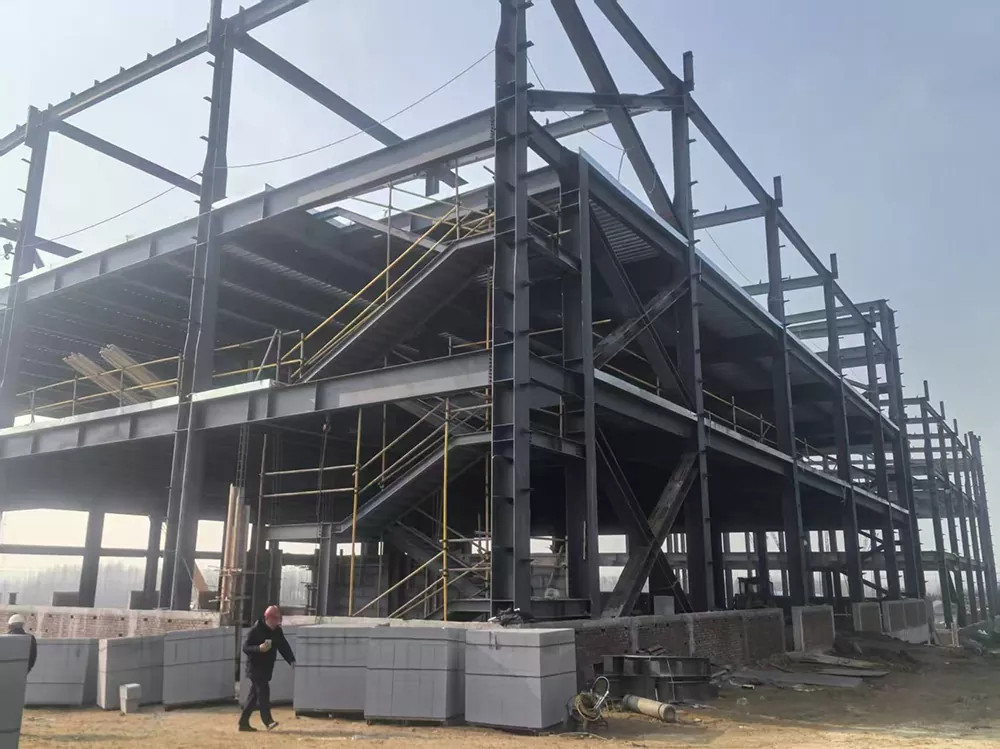
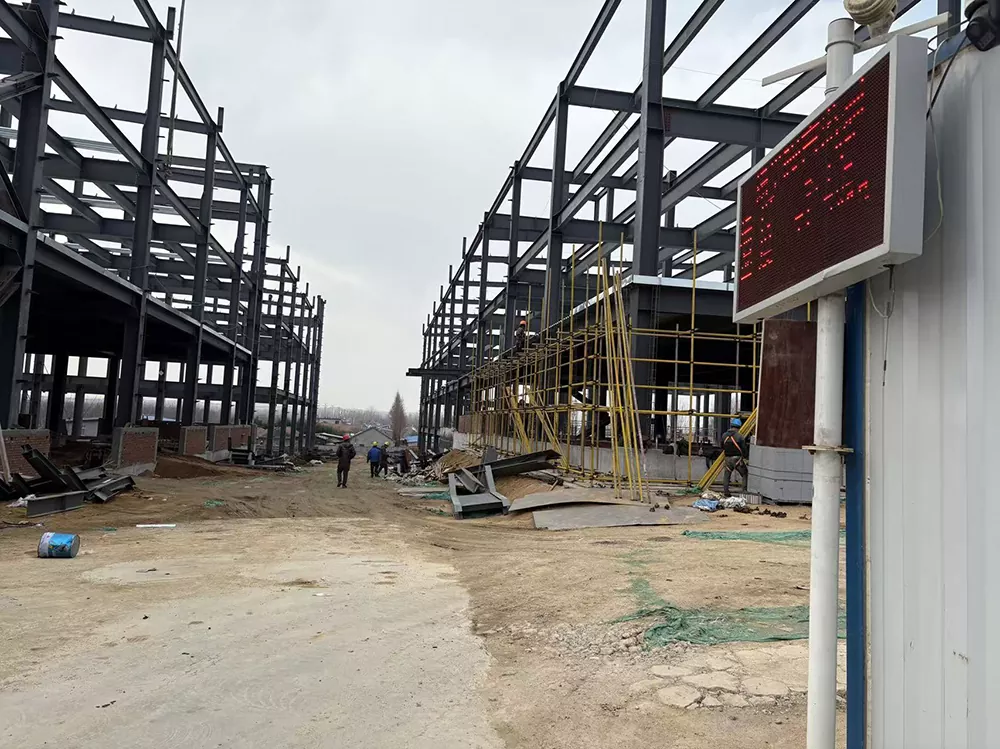
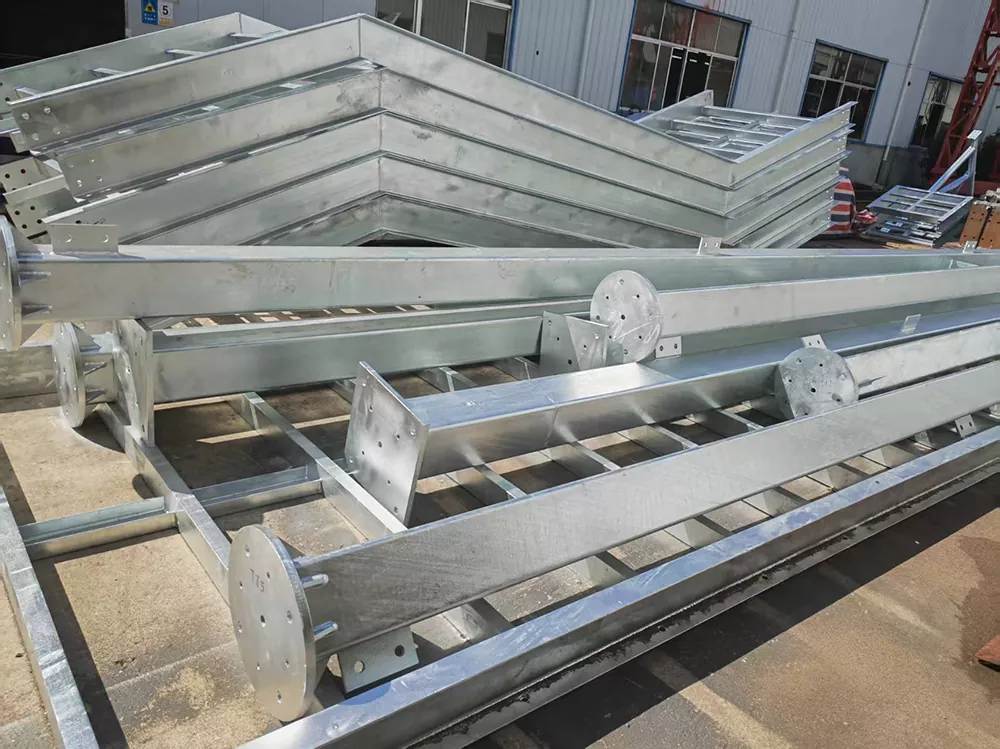
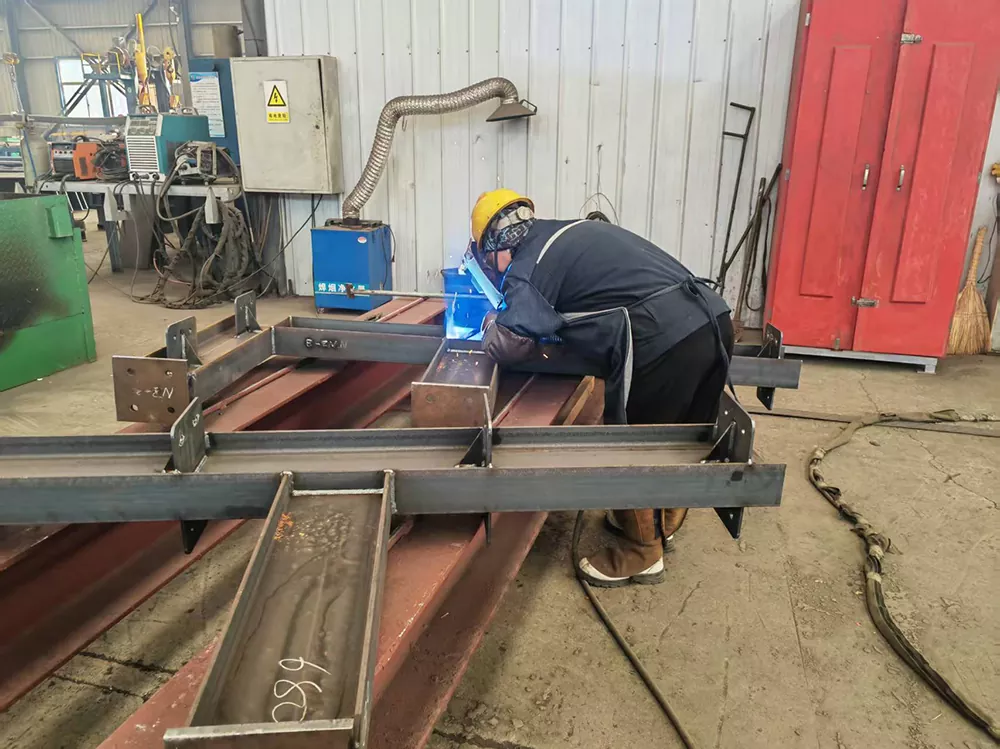
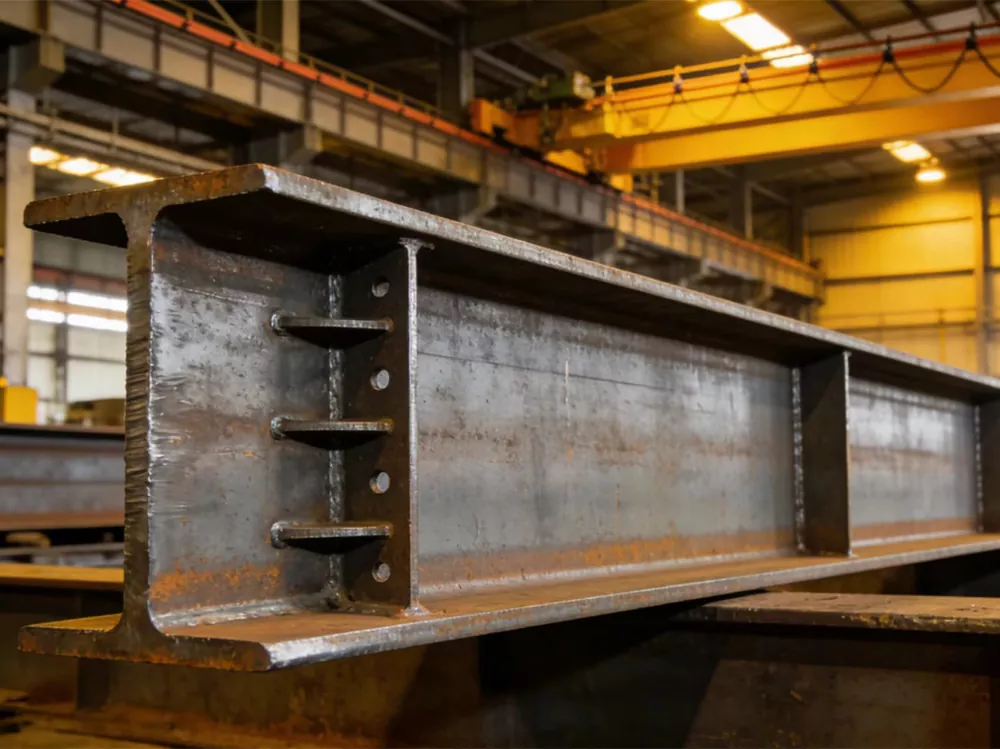
Liweiyuan Platforms for Floating Offshore Wind Turbines ensure stable, low-cost deepwater energy.
The high-quality platforms for floating offshore wind turbines from LWY Steel Structure are robust, marine-grade steel structural solutions engineered for harsh open-sea operational environments. Built with high-strength corrosion-resistant steel and optimized hydrodynamic structural design, the platforms deliver excellent stability, wind and wave resistance, and anti-fatigue performance under complex marine conditions.
Integrating anti-rust, anti-corrosion and seismic reinforcement technologies, our offshore wind platforms support stable long-term operation of floating wind turbines, effectively resisting ocean current impact, strong wind vibration and seawater erosion. Tailored for offshore renewable energy projects, these factory-direct steel platforms feature high structural safety, long service life and customizable structural specifications, meeting strict international marine engineering and offshore wind power construction standards.
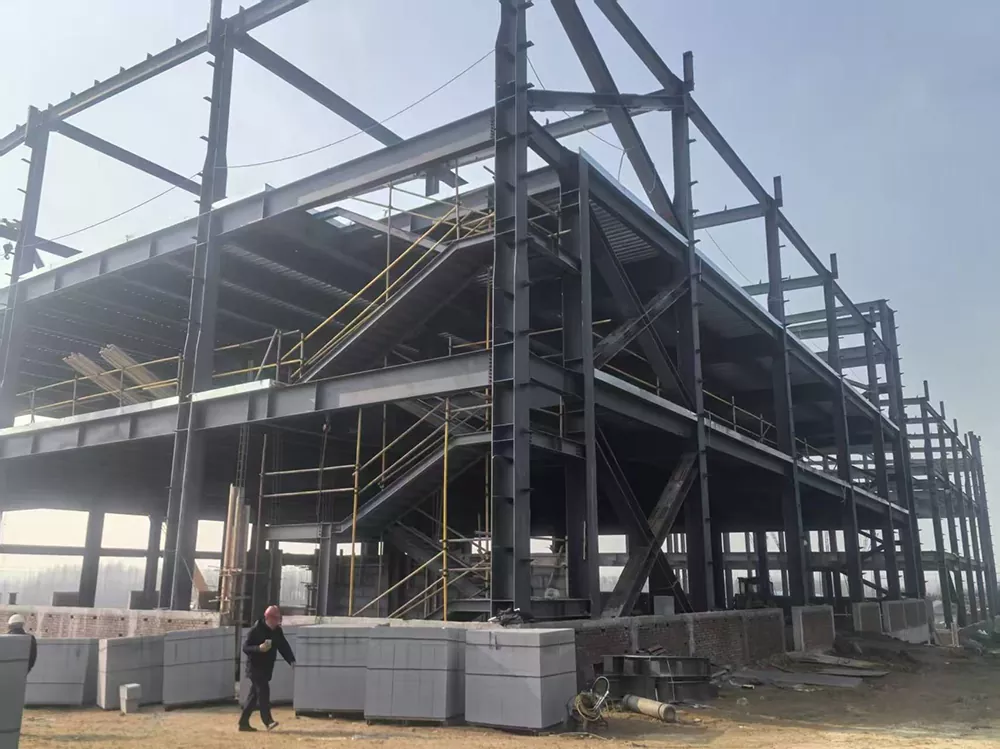
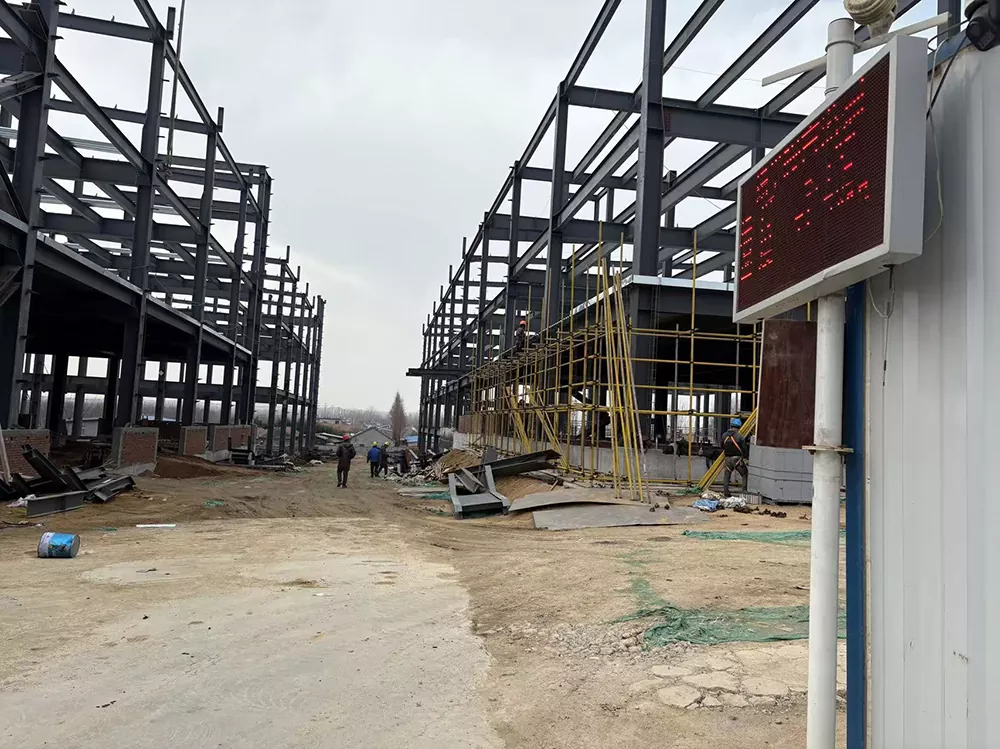
|
Parameter |
Standard Range |
|
Steel grade |
Q355B / Q355D / S355 / A572 (per project) |
|
Design life |
25 years |
|
Corrosion class |
C5-M (ISO 9223) |
|
Coating |
Zinc-rich + epoxy + polyurethane / hot-dip galvanizing 85+ μm |
|
Surface preparation |
Shot blasting to Sa 2.5 (ISO 8501-1) |
|
Welding standard |
EN ISO 9606 / AWS D1.1 |
|
NDT |
100% UT/RT on primary butt welds; MT on fillet welds |
|
Platform type |
Turbine service deck / transition platform / access walkway |
|
Loads |
Per project: personnel, equipment, and wave/wind combinations |
|
Documents |
Material certificates, weld maps, NDT reports, coating records |
Atmospheric salt loads in offshore zones are classed C5-M, the most severe corrosion category in ISO 9223. Plain painted steel fails within a few years; platforms for floating offshore wind turbines require layered protection from the start.
Floating structures never stop moving. Cyclic loads from waves, wind, and turbine operation create fatigue stresses that demand weld quality and detail design far above building standards.
Repainting a platform 20km offshore is measured in vessel days and weather windows. The corrosion protection applied in the factory must be the protection that lasts.
platforms for floating offshore wind turbines are fabricated from Q355B/Q355D, S355, or equivalent marine-grade structural steel with certified impact properties for low-temperature service, per the project specification.
Smaller platforms and walkways are hot-dip galvanized per ISO 1461 with a minimum zinc thickness of 85 μm, giving decades of maintenance-free protection in marine air.
Large primary structures receive a marine coating system: zinc-rich primer, intermediate epoxy, and polyurethane or polysiloxane finish, applied by airless spray after shot blasting to Sa 2.5.
Components that connect to submerged structures are detailed for compatibility with sacrificial anodes and impressed-current systems, including weldable anodes where specified.
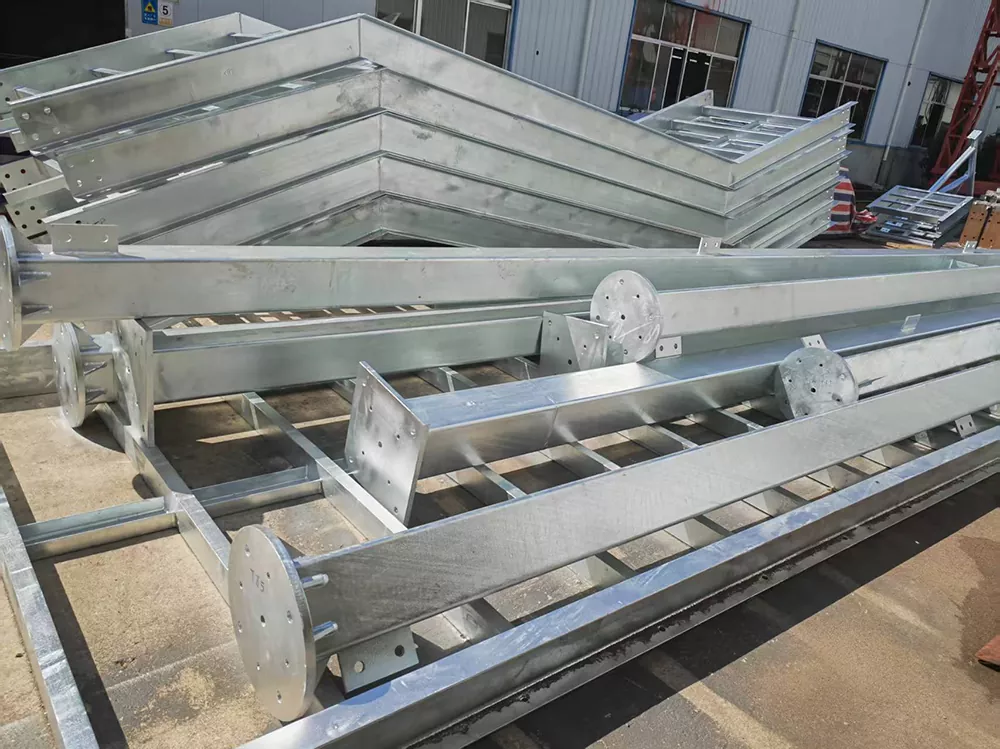
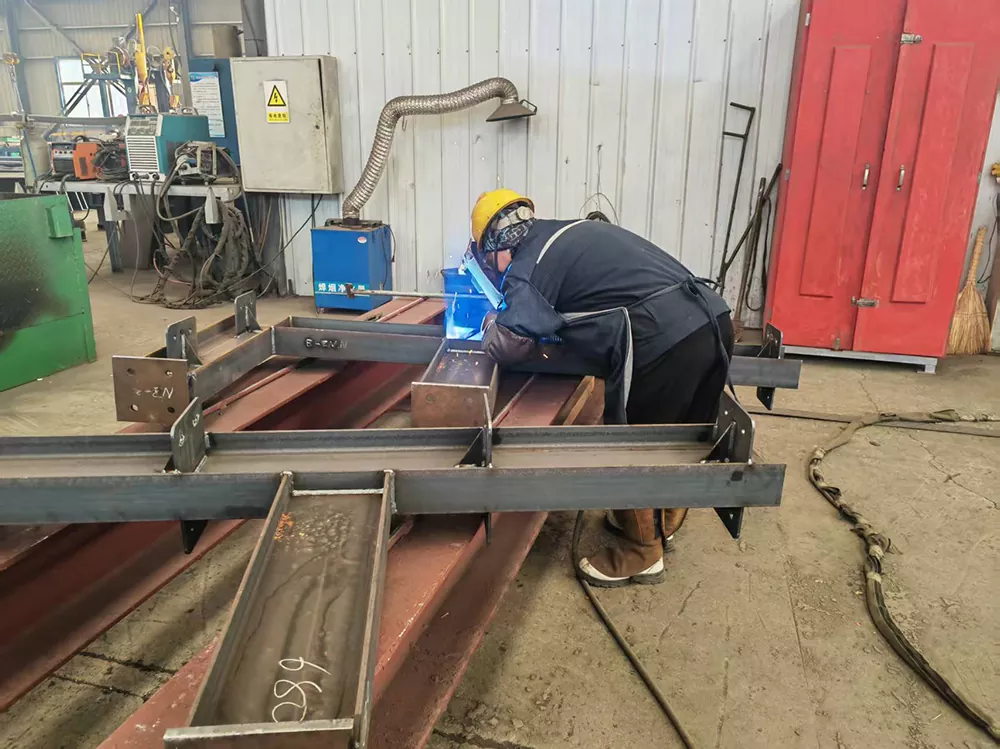
All welds are executed by certified welders to EN ISO 9606 or AWS D1.1, with weld procedures qualified before production.
Butt welds in primary members are 100% ultrasonic or radiographic inspected; fillet welds are magnetic-particle checked on a sampling basis agreed with the client.
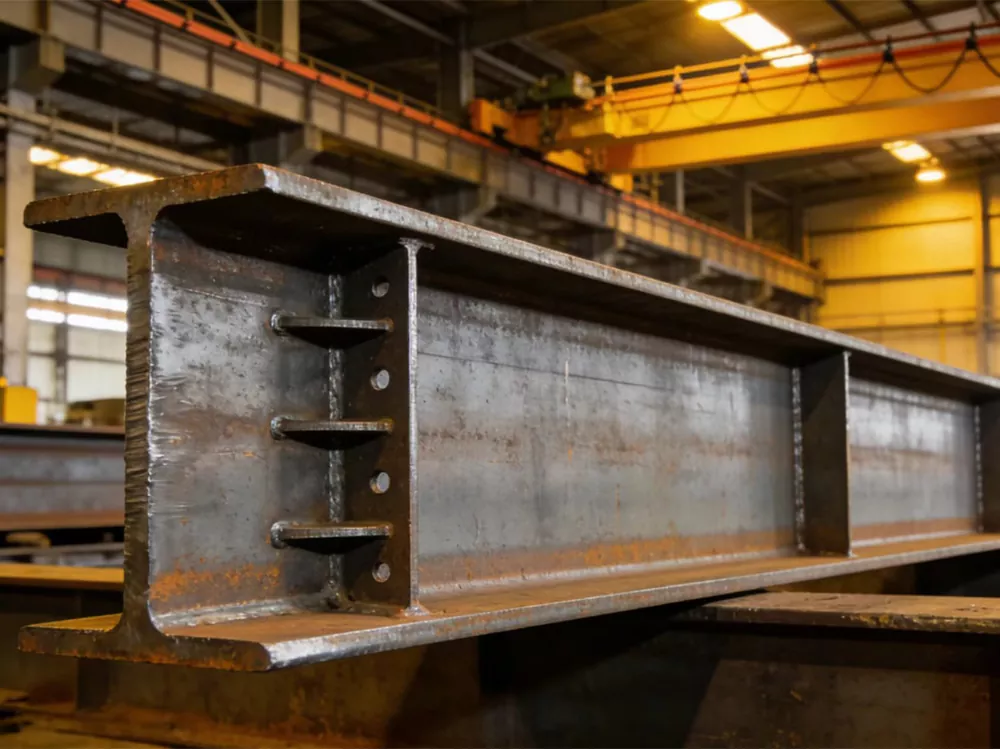
Fabrication jigs and check fixtures hold critical dimensions such as bolt-group spacing and flange flatness within tight tolerances, so offshore assembly goes together without field rework.
LWY Steel Structure fabricates platforms for floating offshore wind turbines and related components for:
1. Turbine service and maintenance decks
2. Transition platforms between tower and floating hull
3. Access walkways, landings, and guardrail assemblies
4. Equipment support frames for mooring and control systems
5. Helideck and crane pedestal support structures (on request)
A1: Q355B/Q355D, S355, or A572 equivalents with certified low-temperature impact properties, selected per the project design basis. Material certificates are provided for every plate and section.
A2: Surfaces are shot blasted to Sa 2.5, then coated with a marine system of zinc-rich primer, epoxy intermediate, and polyurethane finish, or hot-dip galvanized to ISO 1461 for smaller components. Total system thickness typically exceeds 240 μm.
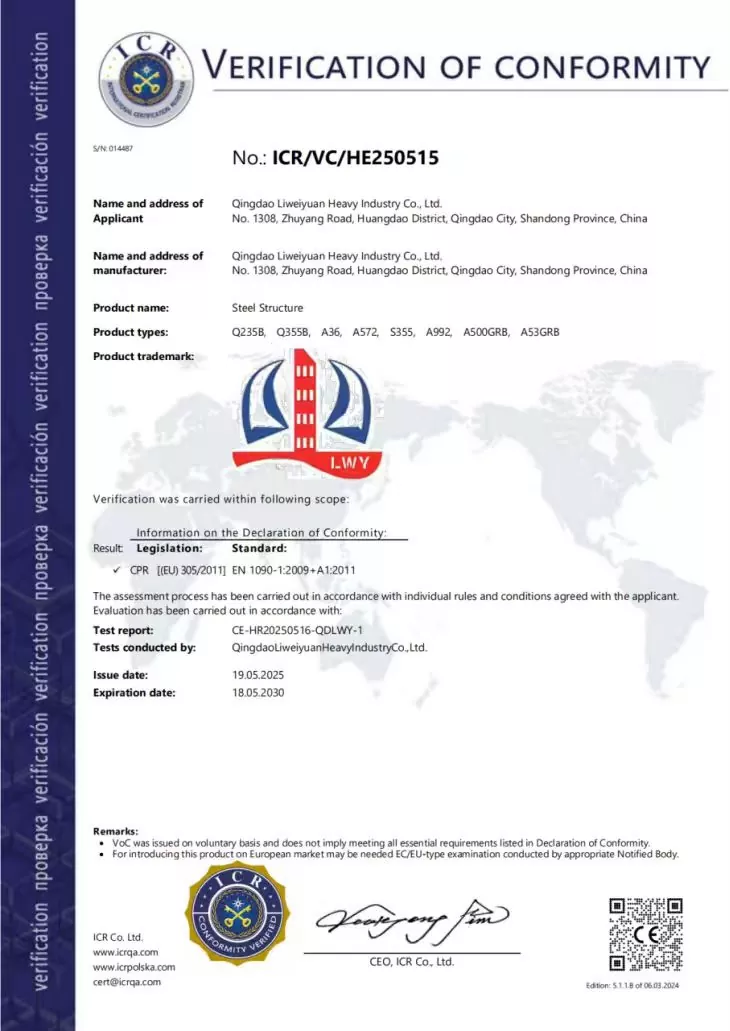
A3: Our fabrication and QC system is aligned with DNV, ABS, and CCS practice, and we work to the welding and NDT requirements your project specifies. Third-party survey is welcome at any stage.
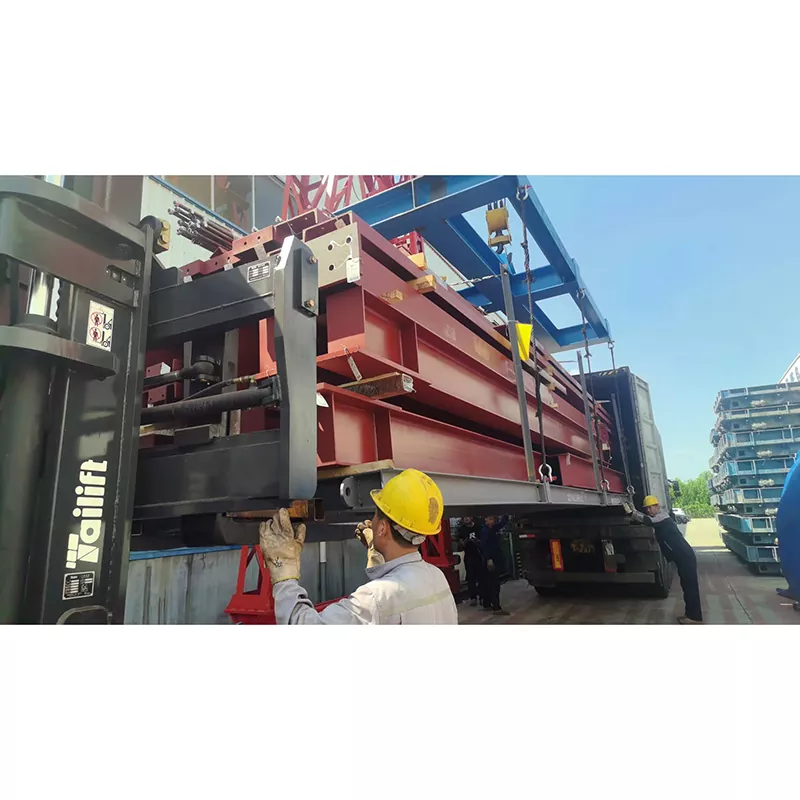
A4: Platforms for floating offshore wind turbines are produced in our Qingdao factory, which has an annual processing capacity of over 20,000 tons of steel components, and sits 36km from Qingdao Port, so large offshore batches ship efficiently by sea.
A5: We provide assembly drawings, lifting plans, and weld maps, and our engineers support offshore assembly by remote guidance or on-site supervision as required.