Industry News

Why Should You Consider a Portal Steel Frame Steel Structure Factory Building for Modern Industrial Projects

2026-05-07 - Leave me a message

Article Summary: This article explores the benefits, design considerations, construction process, and applications of portal steel frame steel structure factory buildings. We delve into why companies like Liweiyuan are pioneering in this field and how such structures optimize industrial efficiency, safety, and cost-effectiveness.
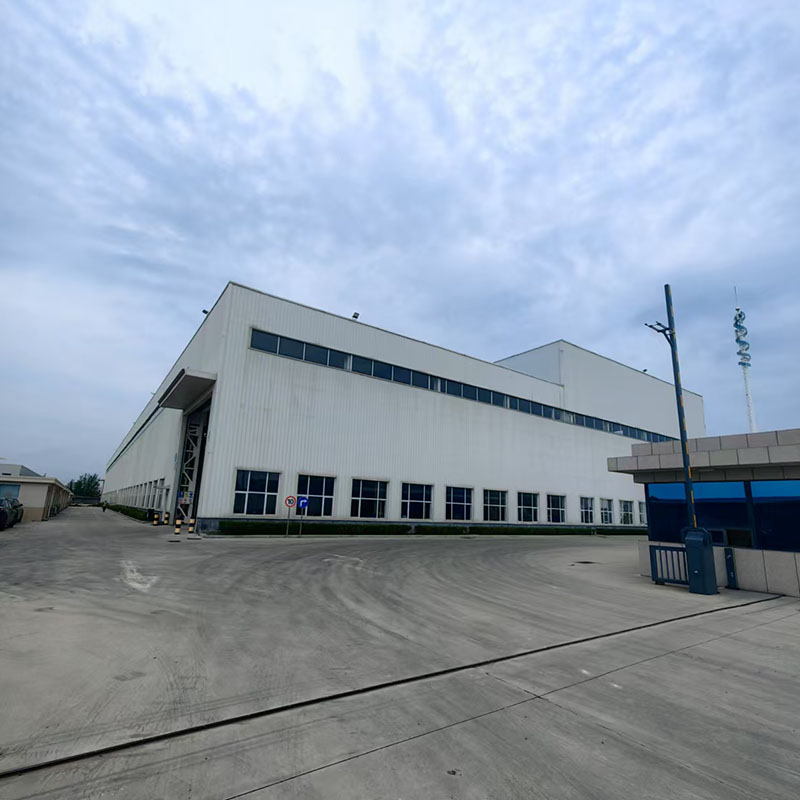
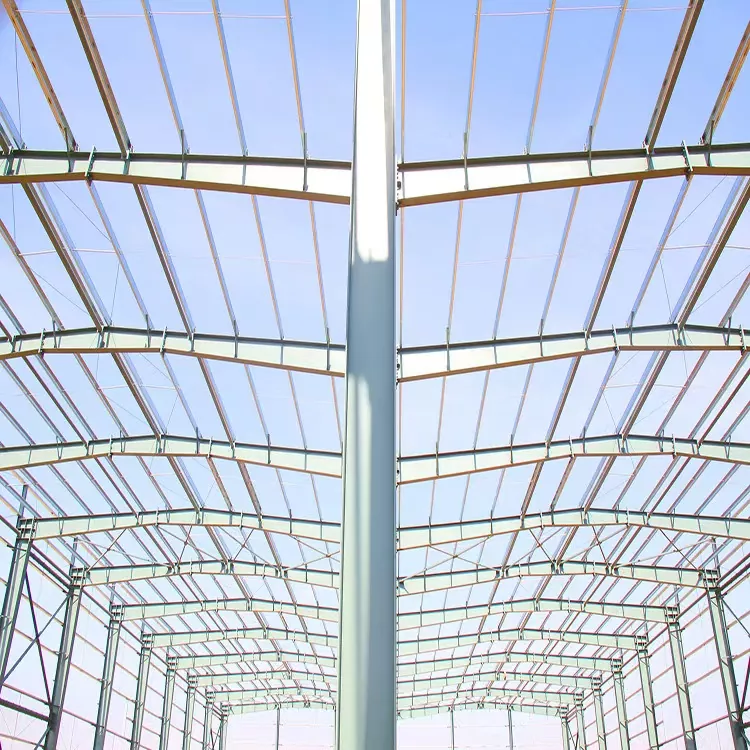
Portal Steel Frame Steel Structure Factory Building

Table of Contents


Introduction to Portal Steel Frame Factory Buildings

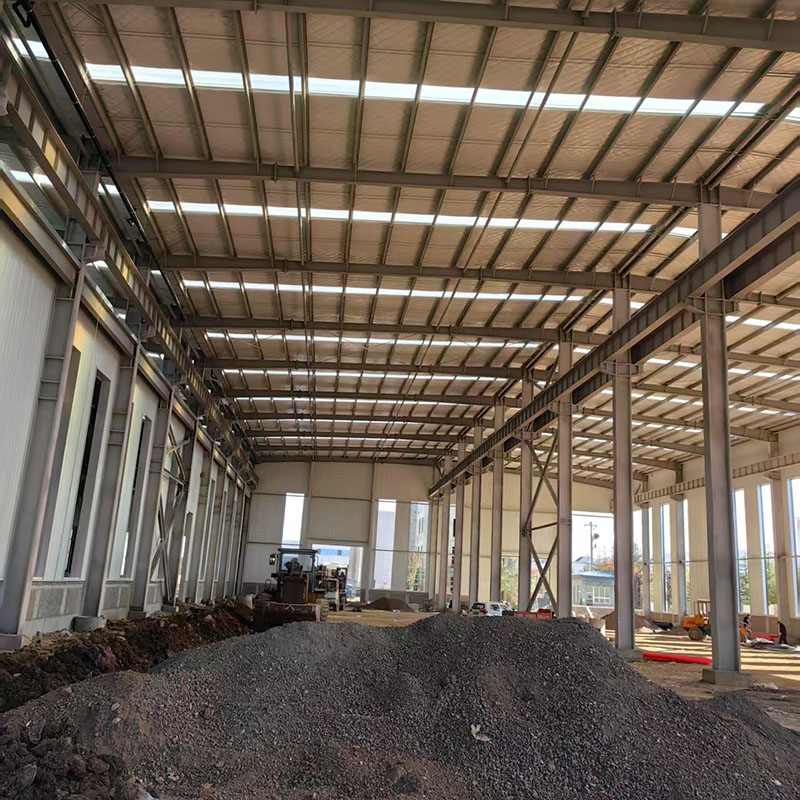
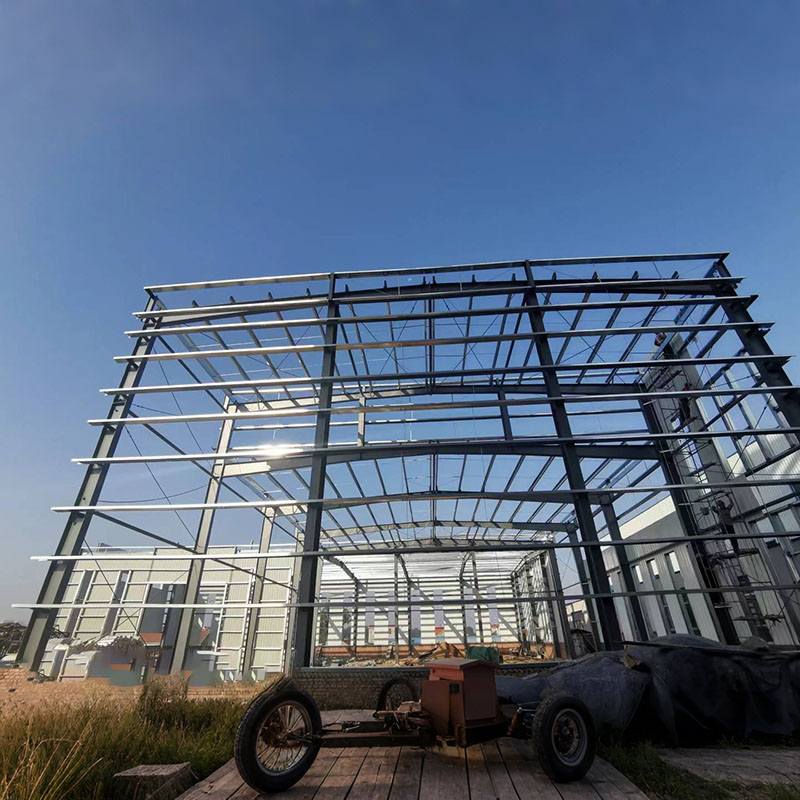
Portal steel frame steel structure factory buildings are a preferred choice for modern industrial construction due to their robustness, flexibility, and cost-efficiency. Companies like Liweiyuan specialize in designing and fabricating these structures that meet high standards of structural integrity while allowing versatile layouts.

These buildings are characterized by large spans, minimal internal columns, and a modular construction approach. This makes them ideal for factories, warehouses, and manufacturing facilities.


Advantages of Portal Steel Frame Steel Structure

  • Durability: High-strength steel ensures a long lifespan with resistance to corrosion and environmental wear.
  • Cost-Effective: Prefabrication reduces labor costs and construction time.
  • Flexibility: Large open spaces without internal columns facilitate easy layout adjustments.
  • Eco-Friendly: Steel is recyclable, minimizing environmental impact.
  • Seismic Performance: Engineered for superior performance in earthquake-prone areas.

Key Design Considerations

When planning a portal steel frame factory building, several critical design factors must be evaluated:

Design Aspect Considerations
Span Width Determines the interior layout flexibility and column spacing requirements.
Roof Type Options include gabled, curved, or single-slope roof based on climatic and aesthetic needs.
Load Capacity Structural calculation to withstand machinery, equipment, and storage loads.
Insulation Thermal and acoustic insulation for energy efficiency and comfort.
Foundation Design Determined by soil conditions and building load requirements.

Construction Process Step-by-Step

  1. Site Survey and Preparation: Conduct soil tests and clear the construction site.
  2. Foundation Construction: Pour reinforced concrete footings and slab bases.
  3. Steel Frame Fabrication: Prefabricate portal steel components in the factory.
  4. On-Site Assembly: Erect steel frames using cranes and welding techniques.
  5. Roof and Wall Installation: Attach insulated panels and cladding for weather protection.
  6. Electrical & Mechanical Fittings: Install utilities, lighting, and HVAC systems.
  7. Final Inspection: Ensure compliance with safety, structural, and regulatory standards.

Applications in Modern Industry

Portal steel frame factory buildings have wide-ranging applications across multiple sectors:

  • Manufacturing Plants: Automotive, electronics, and machinery assembly.
  • Warehousing: Logistics centers and storage facilities requiring large clear spans.
  • Agriculture: Storage for equipment, grains, and agricultural products.
  • Workshops: Metal fabrication, woodworking, or maintenance workshops.

Maintenance and Longevity Tips

  • Regular inspection of structural joints and bolts.
  • Repainting steel frames every 5–10 years to prevent corrosion.
  • Drainage maintenance to prevent water accumulation on roofs.
  • Routine check of insulation, roofing panels, and cladding for damages.

Cost Analysis and ROI

Investing in a portal steel frame factory building offers significant financial advantages over traditional construction:

Cost Factor Traditional Building Portal Steel Frame Building
Material Costs Higher due to bricks and concrete Moderate with prefabricated steel components
Construction Time 6–12 months 2–4 months
Maintenance Frequent repairs Minimal with proper coating and inspections
Flexibility Limited for future expansion High; easy to expand or modify layout

Return on investment (ROI) is accelerated due to reduced downtime, quicker construction, and lower long-term maintenance costs.


Frequently Asked Questions (FAQ)

What is a portal steel frame steel structure?
A portal steel frame structure is a building framework using rigid steel frames that allow large spans with minimal internal columns, ideal for factories and warehouses.
Why choose Liweiyuan for steel structure factory buildings?
Liweiyuan offers expert design, prefabrication, and installation services ensuring durability, cost-effectiveness, and compliance with industry standards.
How long does construction take?
Typically, a portal steel frame factory building can be completed in 2–4 months, significantly faster than traditional buildings.
Can these buildings be expanded in the future?
Yes, modular design allows for future expansion and layout adjustments with minimal disruption.
Are portal steel frame buildings suitable for all climates?
Yes, with proper insulation, roofing, and weatherproofing, these structures perform well in diverse climatic conditions.

Conclusion & Contact

Portal steel frame steel structure factory buildings represent the modern industrial solution for efficiency, flexibility, and sustainability. Companies like Liweiyuan provide tailored solutions to meet unique project requirements while ensuring high-quality construction standards. If you are considering upgrading your industrial facility, investing in a portal steel frame building could be the smartest choice for long-term growth and operational efficiency.

Ready to start your next industrial project? Contact us today and discover how Liweiyuan can help you design and construct your ideal portal steel frame steel structure factory building!
Send Inquiry


X
We use cookies to offer you a better browsing experience, analyze site traffic and personalize content. By using this site, you agree to our use of cookies. Privacy Policy
Reject Accept