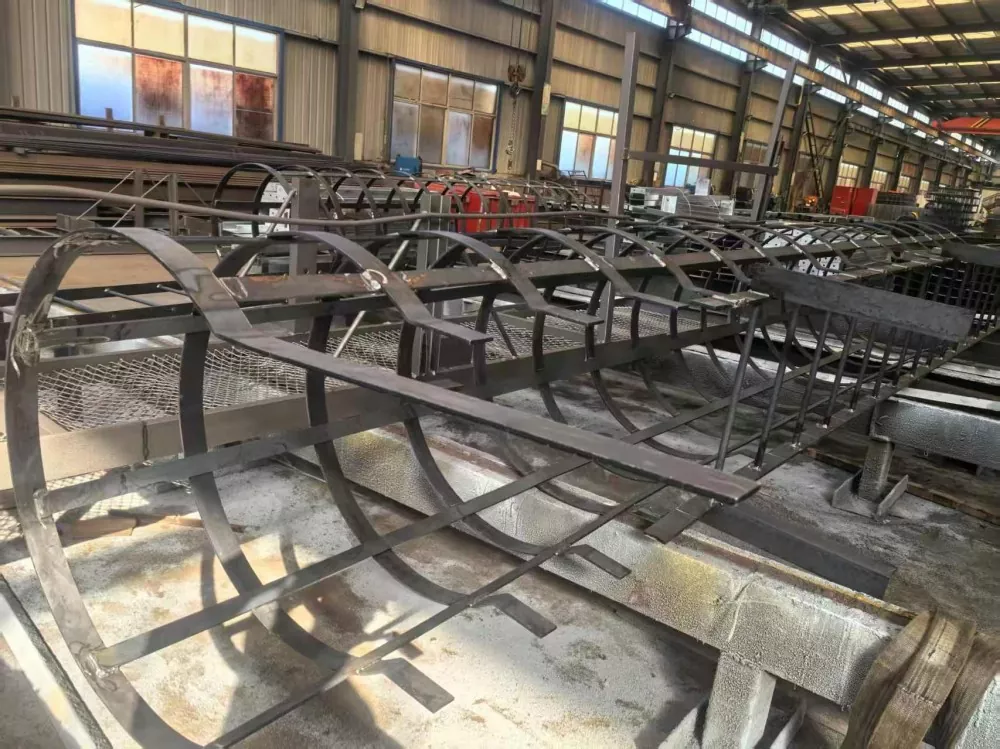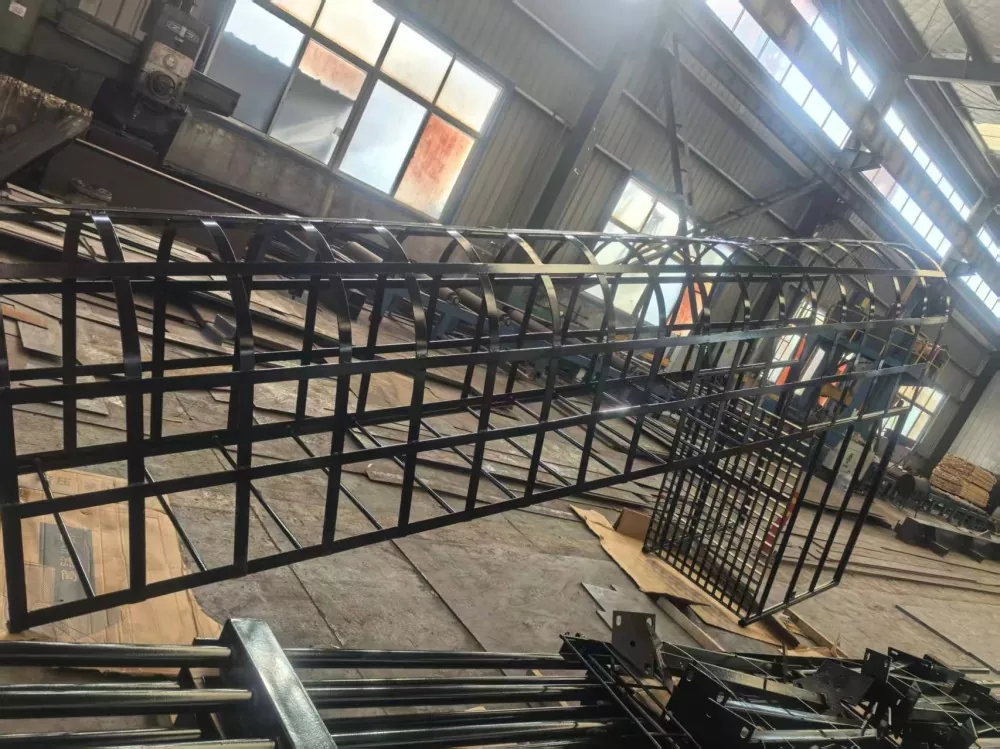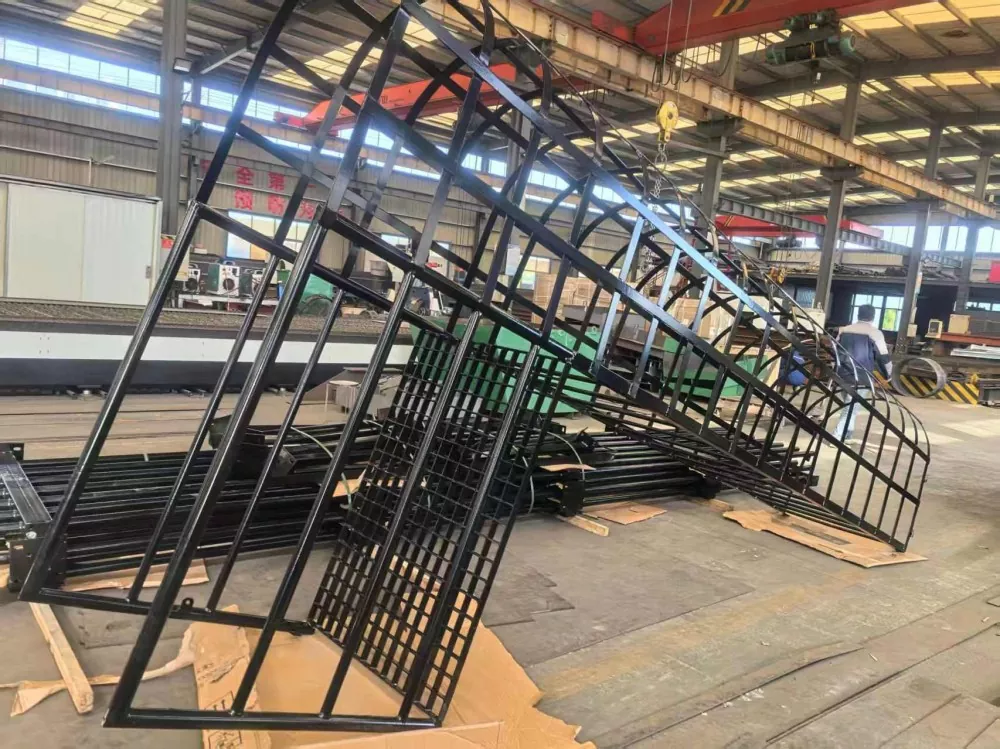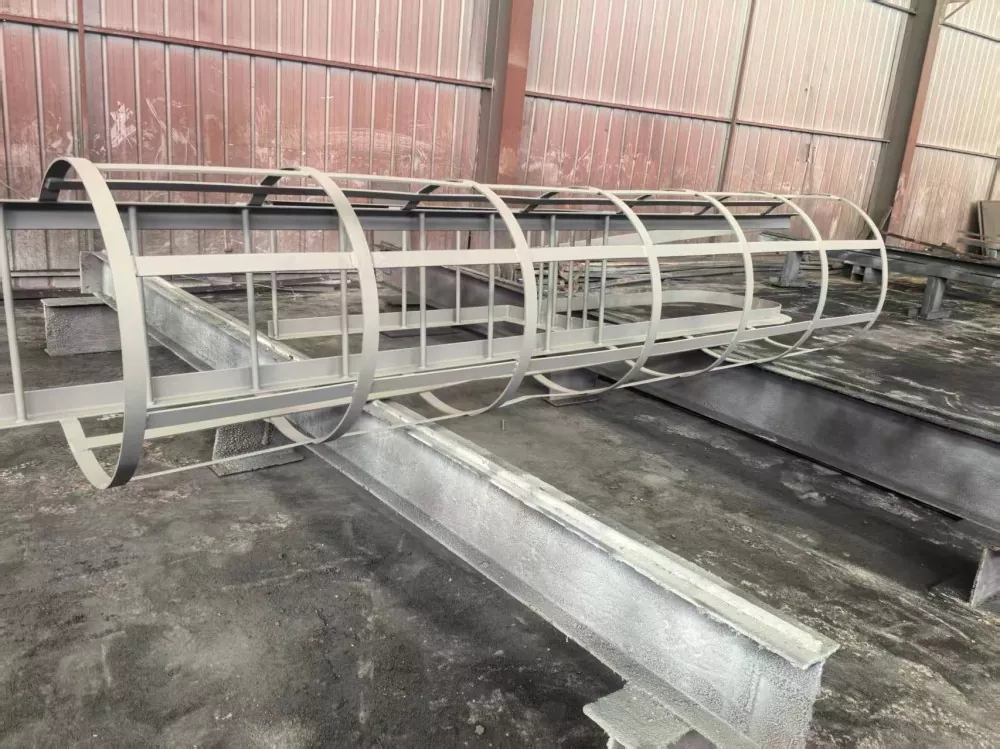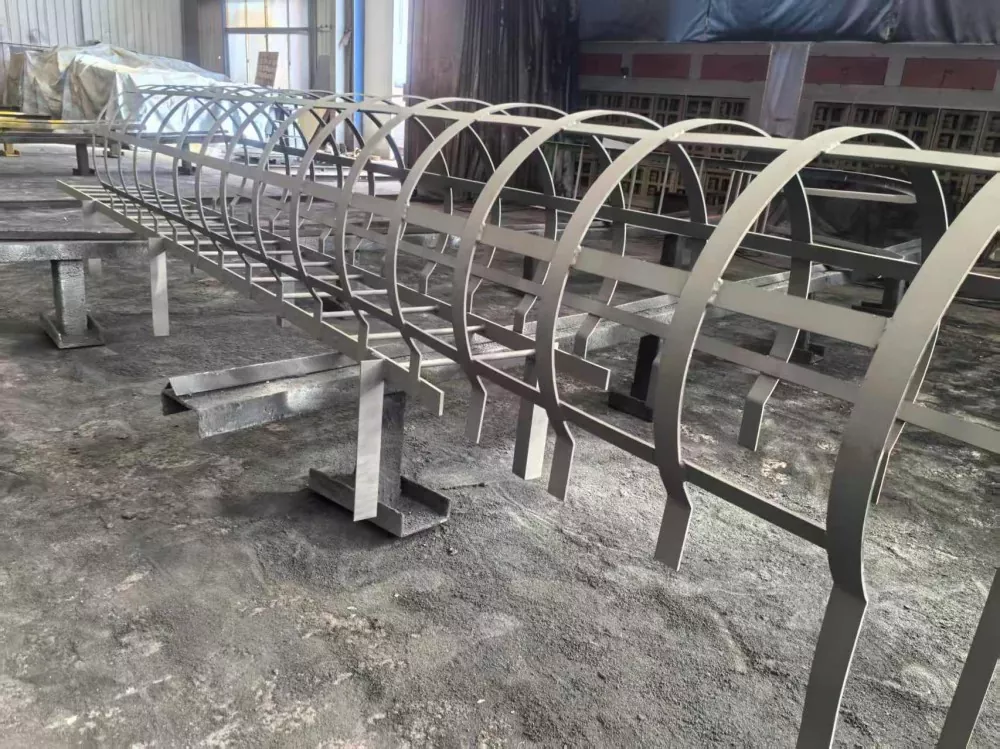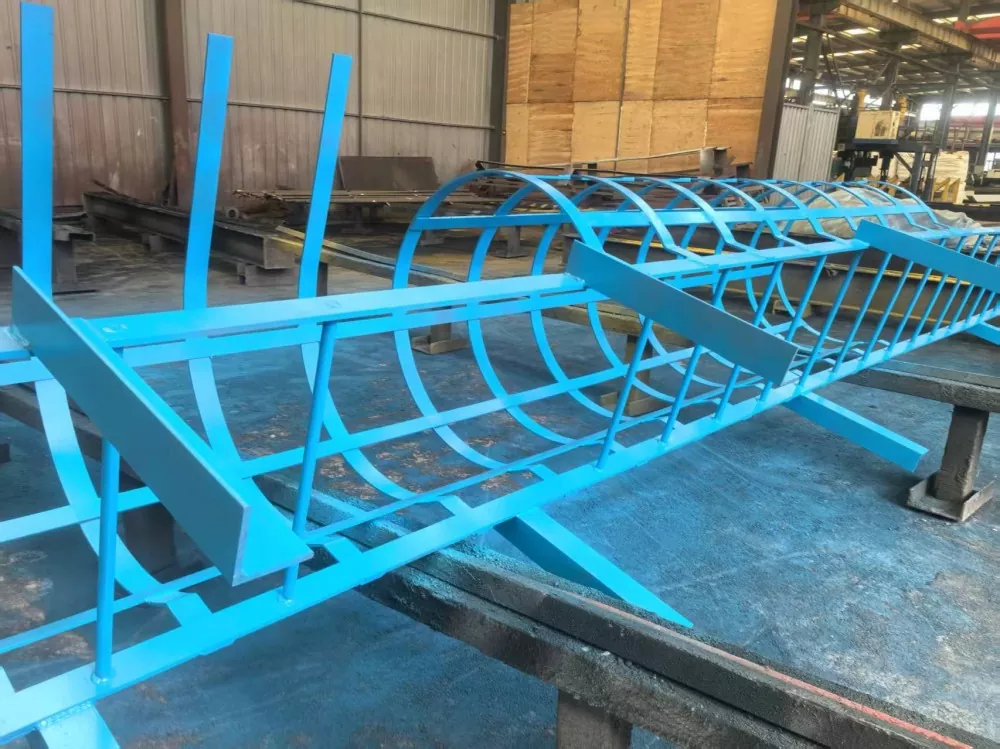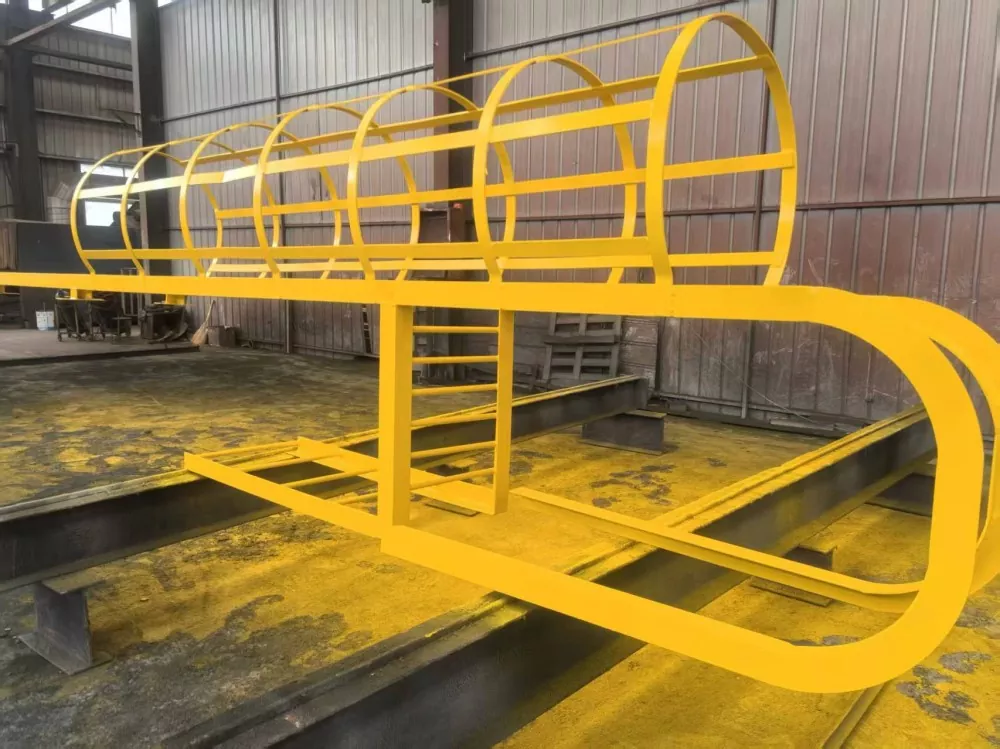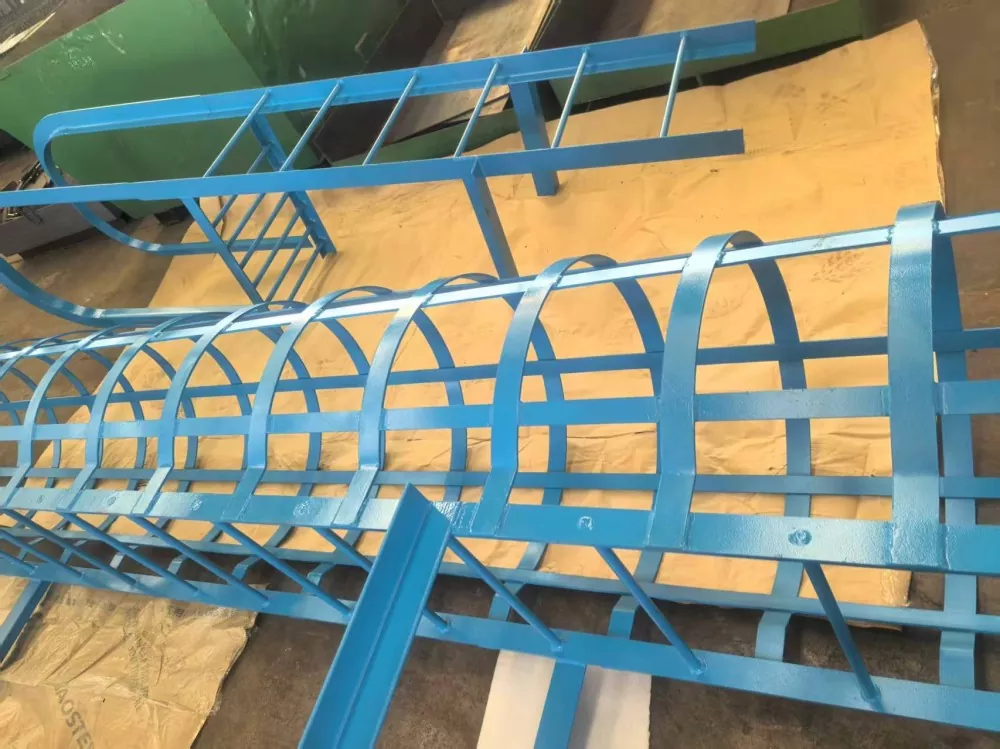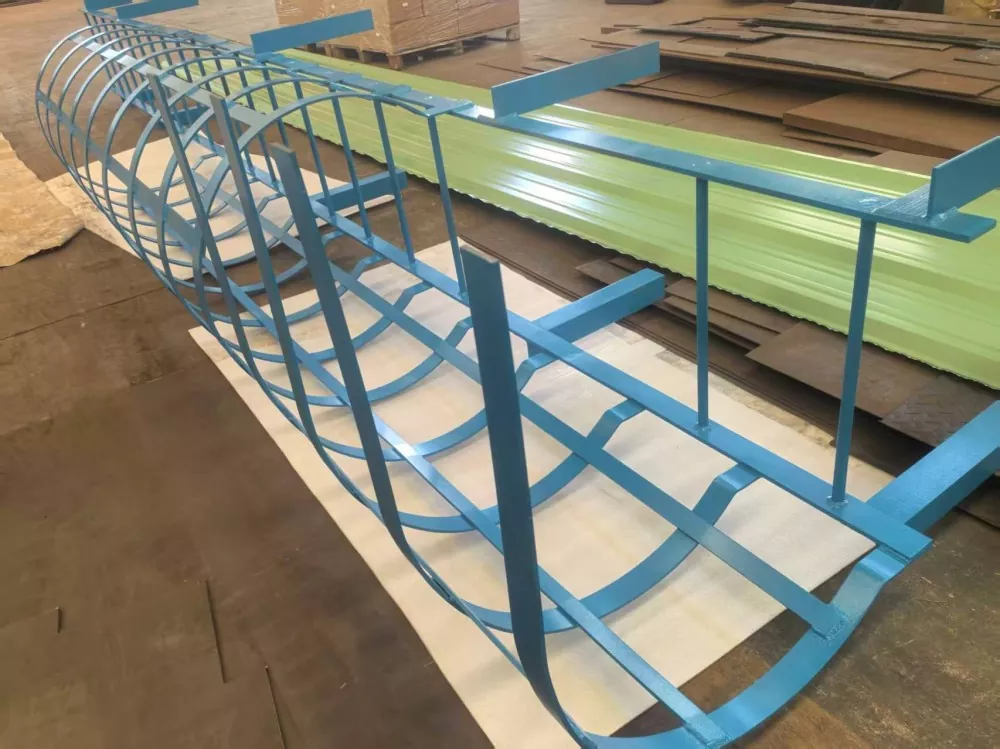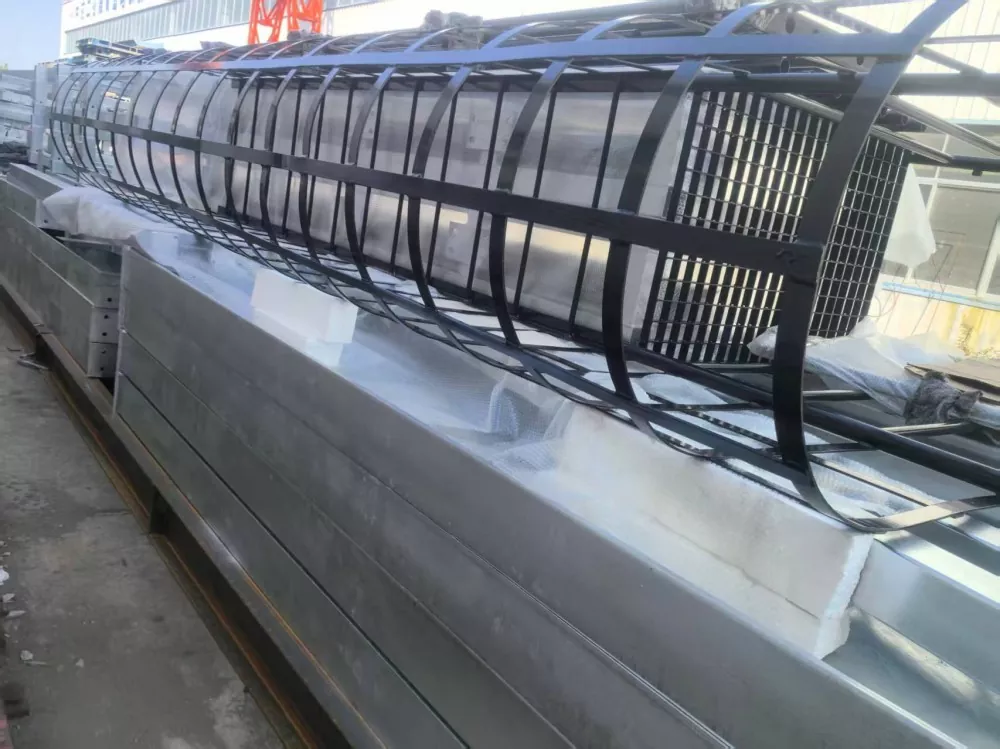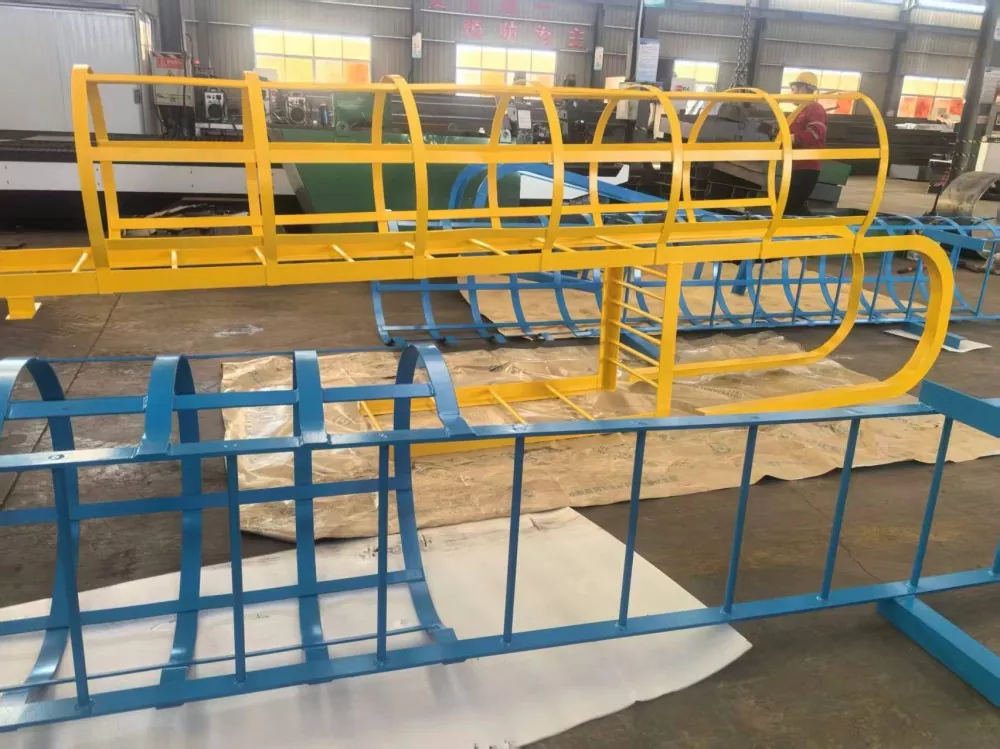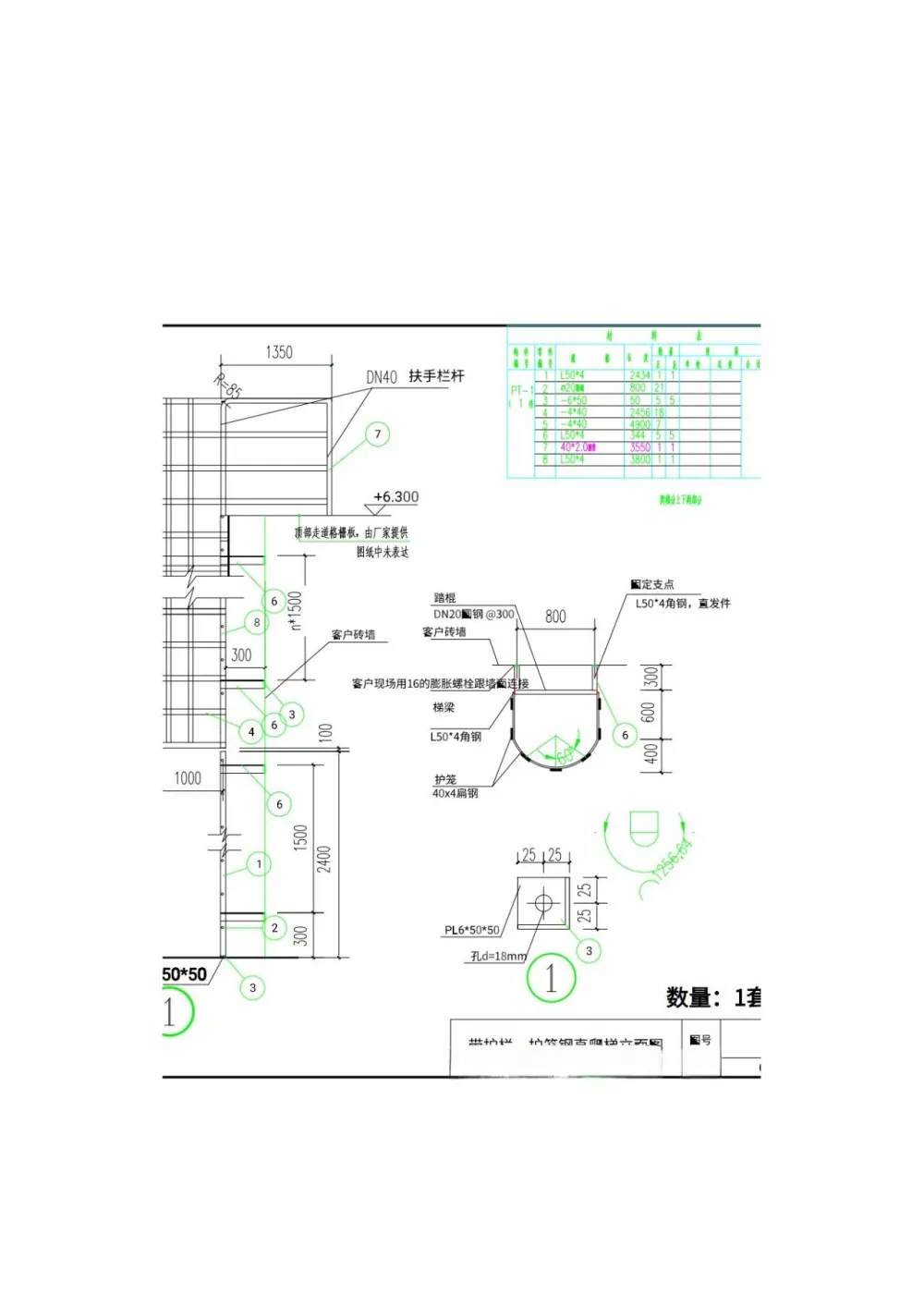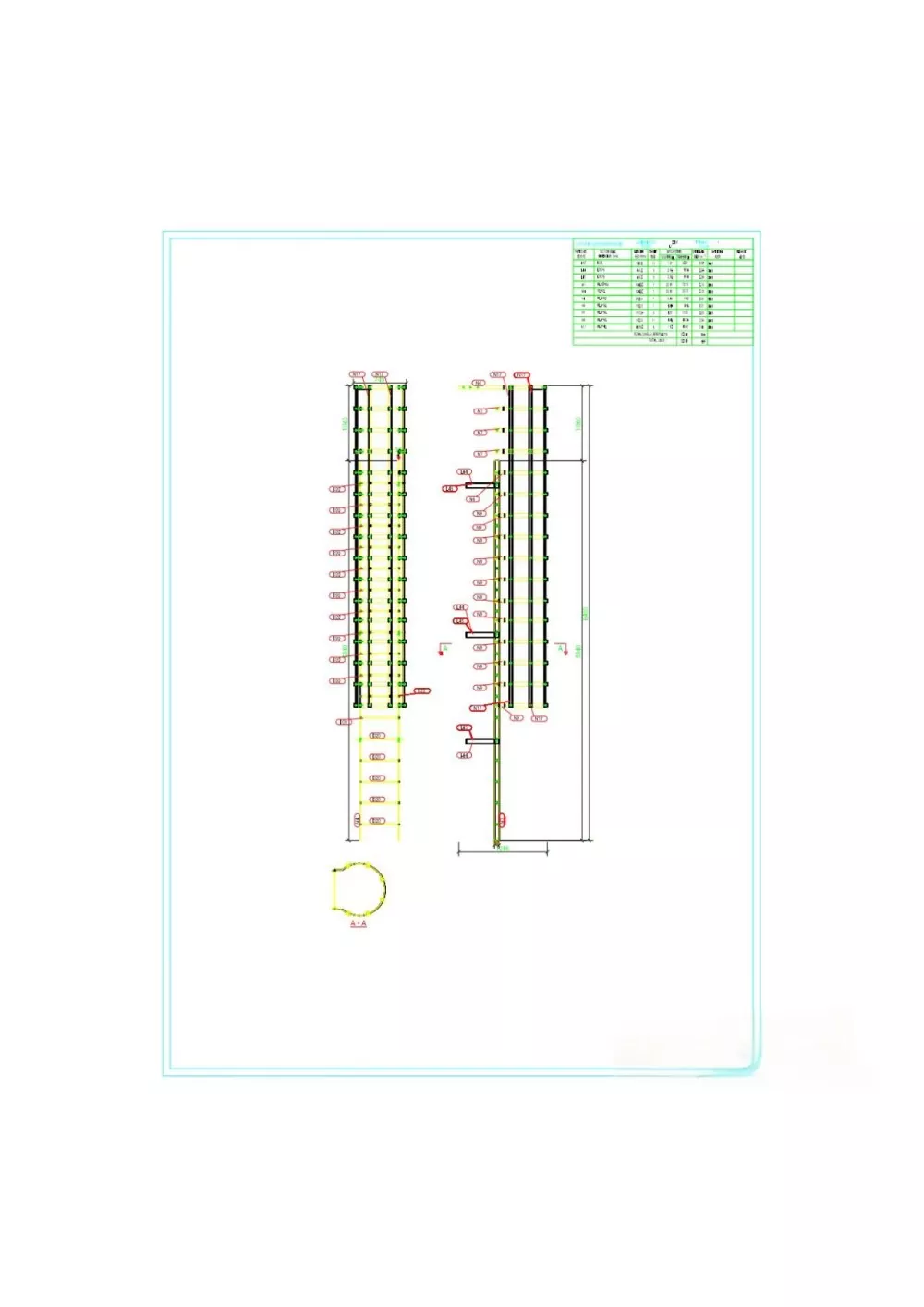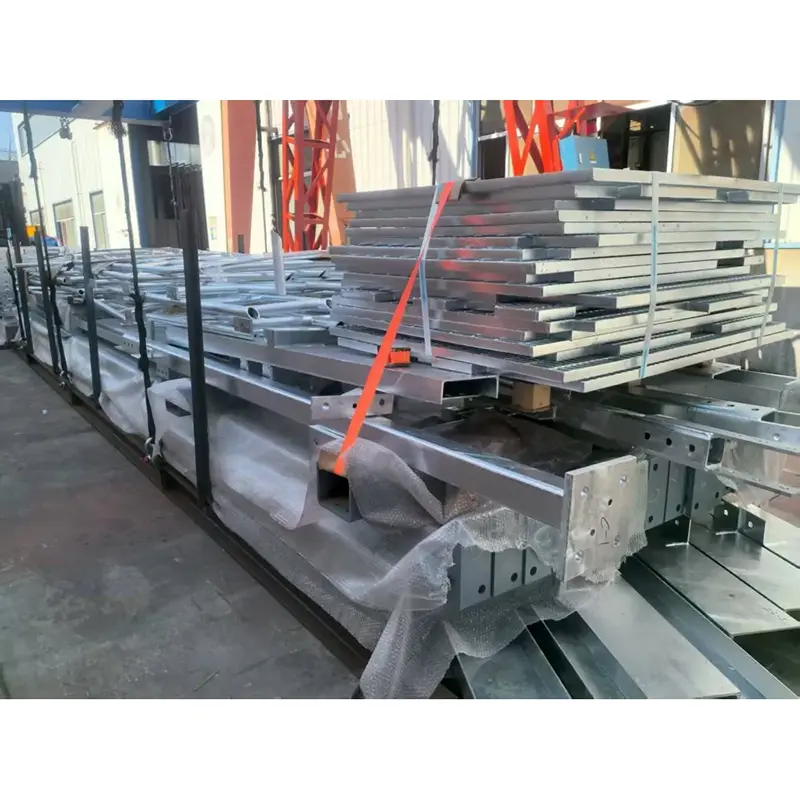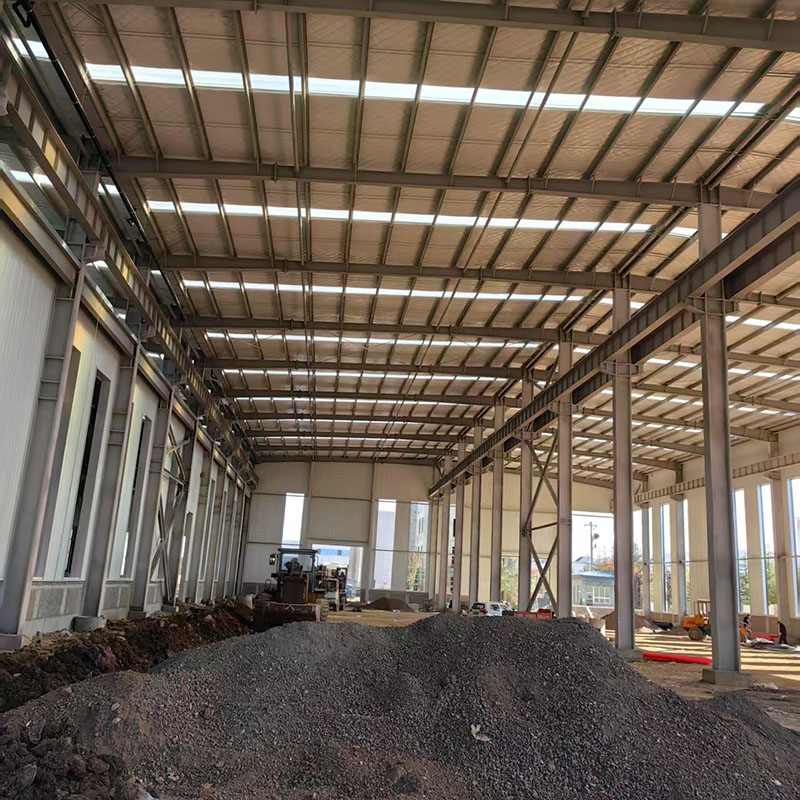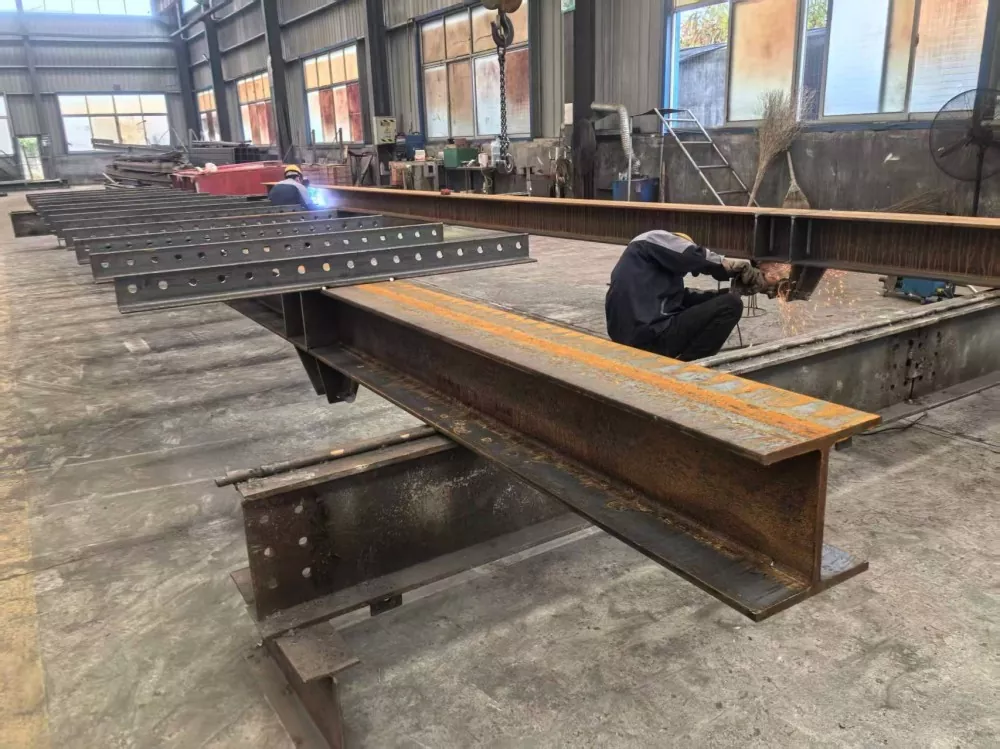
The primary function of the Outdoor Steel Ladder is to provide a secure, fixed climbing route for personnel who need to perform inspections, repairs, and cleaning on elevated outdoor equipment. Unlike temporary portable ladders, these permanent structures eliminate the risk of slipping or shifting, offering consistent stability even in windy conditions. They are commonly installed on the exteriors of industrial silos, communication towers, bridge piers, and building façades. The ladder’s open design allows for easy mounting and dismounting, while the galvanized surface reduces the need for frequent repainting or rust removal.
Material Selection and Anti-Corrosion Strategy
Outdoor exposure demands materials that can resist atmospheric corrosion without degrading structural integrity. LWY selects hot-rolled steel grades such as Q235B or equivalent, with minimum yield strength of 235 MPa. The ladder beams are typically made from ∠50×5 angle steel or 60×40×3 rectangular tubes, while rungs use Ø22mm round steel. However, the critical differentiator is the protective coating. Our standard treatment is hot-dip galvanizing per ASTM A123, with a minimum average zinc coating of 85μm on all surfaces. This provides cathodic protection even if the coating is scratched. For extra harsh coastal or chemical environments, we offer a duplex system: galvanizing plus epoxy topcoat. The result is a ladder that can last 20+ years with minimal maintenance, which is essential for outdoor maintenance access where replacement is costly and disruptive.
Anti-Slip Rungs and Climber Safety
Wet or frosty steps are a major hazard for outdoor ladders. Our Outdoor Steel Ladder for Maintenance Access addresses this with multiple anti-slip features. Rungs are either knurled during production to create a rough surface, or we weld Ø6mm round steel strips (spaced 10-15mm apart) onto the top of each step. This increases friction coefficient significantly, preventing foot slippage even when the rungs are covered with water, ice, or light grease. Additionally, the rung spacing is set at 250mm center-to-center (within tolerance of ±5mm), which aligns with natural climbing stride and reduces the risk of missteps. For ladders taller than 6 meters, intermediate rest platforms are provided, allowing climbers to pause and recover, which is especially valuable when carrying tools or equipment.
Comparison – Why LWY Outdoor Ladders Outperform Typical Alternatives
When selecting an outdoor maintenance ladder, buyers often compare quality, durability, and support. Below is a transparent comparison between LWY Steel Structure's offering and common alternatives in the market.
| Feature | LWY Steel Structure | Typical Low-Cost Supplier | Typical Premium Brand |
|---|---|---|---|
| Steel Grade | Q235B or equivalent, certified | Unspecified, often low-grade | Often comparable to LWY |
| Zinc Coating Thickness | ≥85μm (ASTM A123) | ≤40μm, often just painted | ≥70μm typical |
| Rung Anti-Slip Treatment | Knurling + welded strips | None or light paint texture | Knurling only |
| Weld Quality Control | 100% visual + NDT on critical joints | Visual only, no records | Spot checks |
| Certification | ISO9001, CE EN1090 | None or expired | Often ISO only |
| Customization Options | Width, height, cage, platform, angle | Limited to standard sizes | Moderate, with long lead |
| Lead Time (30-day standard) | 30 days, expedite available | 15-20 days but quality inconsistent | 45-60 days |
| After-Sales Support | 24h response, 48h resolution | Minimal or no support | Good but costly |
This table reflects the value proposition of LWY: we deliver premium features at a competitive factory-direct price, without compromising on safety or longevity.
Installation and Anchoring for Outdoor Sites
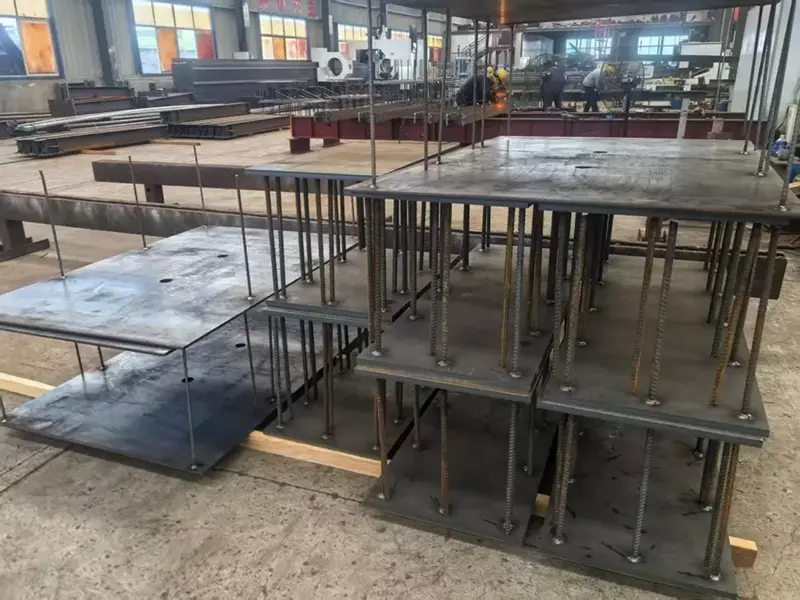
Proper anchoring is crucial for outdoor ladders, as wind loads and thermal expansion can stress the structure. LWY provides detailed anchoring recommendations based on site conditions. Typically, the ladder is fixed using M16 expansion bolts into concrete foundations, or welded to existing steel frames. For ground-mounted installations, we advise a concrete pad of at least 500×500×300mm to distribute loads and prevent settling. The bottom of the ladder should be no more than 300mm above the finished ground level to facilitate easy access. If the site is prone to flooding, we can design raised bases with additional anti-corrosion measures. All fasteners and connection plates are galvanized to match the ladder's protection level, avoiding galvanic corrosion.
Real-World Application Scenarios
The Outdoor Steel Ladder for Maintenance Access has been deployed in a variety of real projects. For example, a European water utility company installed 18 units of 5-meter ladders with safety cages at their pump stations, providing daily access to overhead valve controls. The ladders were galvanized and fitted with anti-slip strips, and they have operated without maintenance issues for three years. Another case involved a US telecommunications provider that used our ladders for rooftop antenna access across 50 cell sites. The standardized dimensions and fast delivery helped them meet a tight deployment schedule. These cases demonstrate the ladder’s adaptability to different outdoor maintenance needs.
Load Capacity and Structural Integrity
Our outdoor maintenance ladders are designed to support a live load of 150 kg per rung, with a total static load capacity of over 500 kg distributed across the structure. The beam cross-sections are selected based on the ladder height: for up to 6 meters, ∠50×5 or equivalent; for 6-10 meters, ∠63×6 is recommended. All welds are performed by certified welders, with full penetration on critical connections. We conduct sample load testing to verify deflection and residual deformation, ensuring the ladder remains straight and stable even after years of use. The safety factor (against yield) is typically 3.0, well above the industry minimum of 2.5.
Maintenance and Inspection Tips
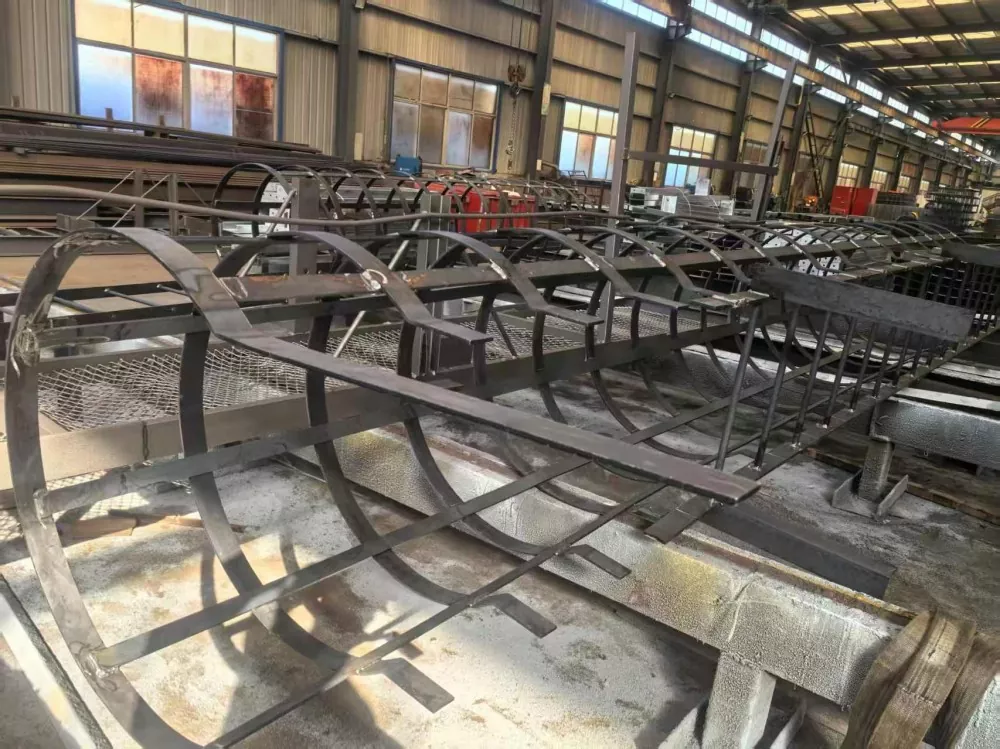
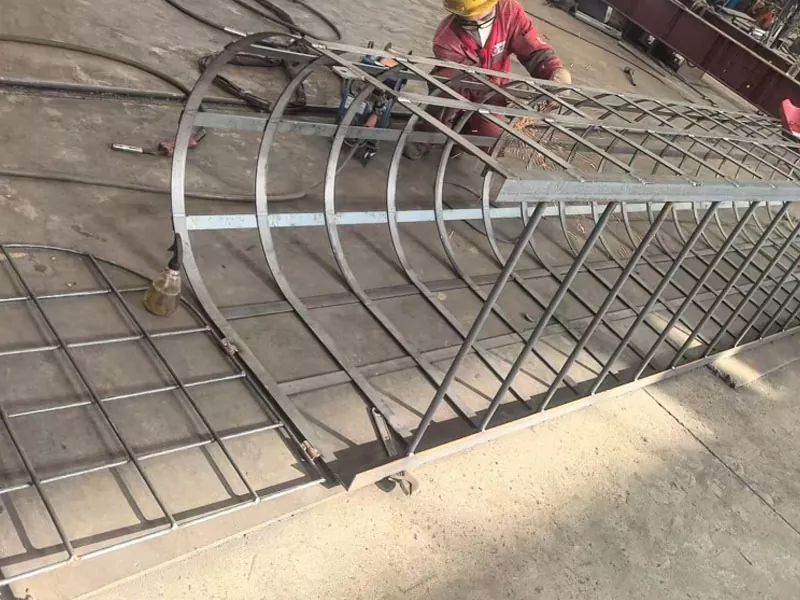
To maximize the service life of your outdoor ladder, regular inspections are recommended. Check for zinc coating damage, especially around bolt holes and edges, and touch up with zinc-rich paint if needed. Inspect rungs for wear on anti-slip surfaces; if they become smooth, consider applying anti-slip tape as a temporary measure. Tighten all bolts periodically, as thermal cycling can loosen connections. LWY provides a maintenance log template with every shipment, helping you track inspections and repairs. For ladders with safety cages, ensure that the horizontal rings and vertical bars remain securely attached and free from significant corrosion. Following these simple steps will keep your Outdoor Steel Ladder for Maintenance Access in top condition for decades.
Frequently Asked Questions About Outdoor Maintenance Ladders
Q1: What is the minimum zinc coating thickness for outdoor ladders, and why does it matter?
A1: LWY applies a minimum of 85μm zinc coating per ASTM A123. This thickness is critical because it provides long-term cathodic protection, meaning even if the coating is scratched, the surrounding zinc will corrode preferentially to protect the steel. Thinner coatings (e.g., 40μm) typically fail within 5-7 years in outdoor environments, leading to rust and structural weakening. Our 85μm standard ensures 20+ years of maintenance-free service in most climates.
Q2: Can the ladder be installed on a sloped surface or non-vertical wall?
A2: Yes, we offer inclined ladder designs and custom base brackets to accommodate slopes up to 15°. For steeper angles, we can design a stair-type access system. Please provide your site drawings, and our engineering team will calculate the optimal connection points and footing requirements.
Q3: Are the anti-slip rungs effective in icy conditions?
A3: Our knurled and strip-welded rungs provide excellent traction in dry and wet conditions. However, in severe ice build-up, we recommend applying a de-icing agent or installing heated step covers (available as an option). The open design of the strips also allows water and ice to drain away, reducing accumulation.
Q4: What certifications do these ladders carry for international projects?
A4: Our ladders are ISO9001-2016 certified for quality management and CE certified under EN1090 for structural performance. We can also provide material certificates (EN 10204 3.1) and welding procedure specifications (WPS) upon request. These documents facilitate local approvals in most countries.
Q5: How is the ladder packaged for overseas shipping to prevent damage?
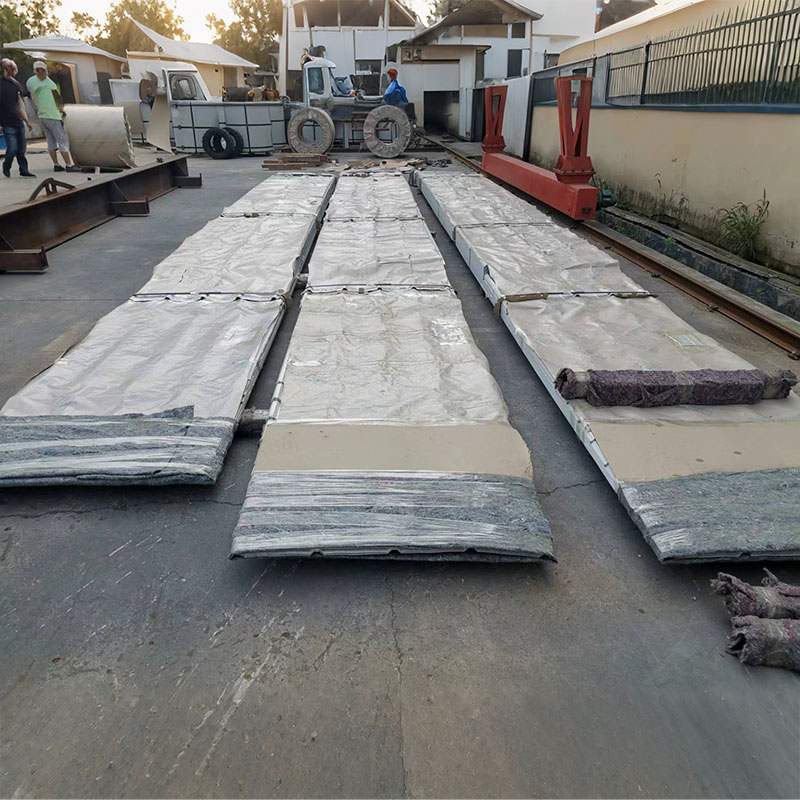
A5: Each ladder is bundled with steel straps, protected with edge guards and foam padding. For sea freight, we use waterproof shrink-wrap and include desiccant bags. All bundles are clearly labeled with weight and part numbers. We have shipped to over 30 countries without significant transit damage.
Q6: Do you offer a warranty on the galvanized finish and structural integrity?
A6: Yes, we provide a 5-year warranty against coating defects and structural failure under normal use. If any issue arises, we respond within 24 hours and offer rework, replacement, or compensation as per our standard policy. Our after-sales team is dedicated to resolving issues promptly.
Choosing the right outdoor maintenance ladder is a long-term investment in safety and operational efficiency. LWY Steel Structure’s Outdoor Steel Ladder for Maintenance Access offers a balanced combination of durable materials, proven anti-corrosion protection, reliable anti-slip features, and comprehensive certification. Our transparent comparison table highlights the value we deliver over competitors. With flexible customization, fast lead times, and dedicated after-sales support, we are confident that our ladder will meet and exceed your expectations. Contact LWY today for a detailed quotation and engineering consultation tailored to your site conditions.
Product Images and Reference Videos