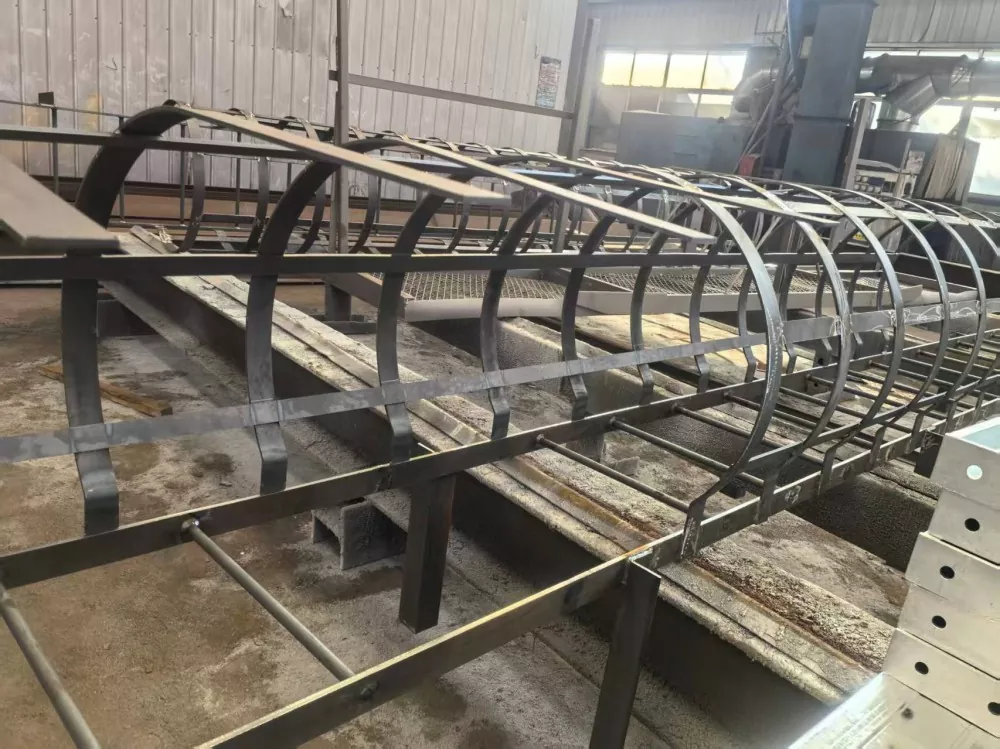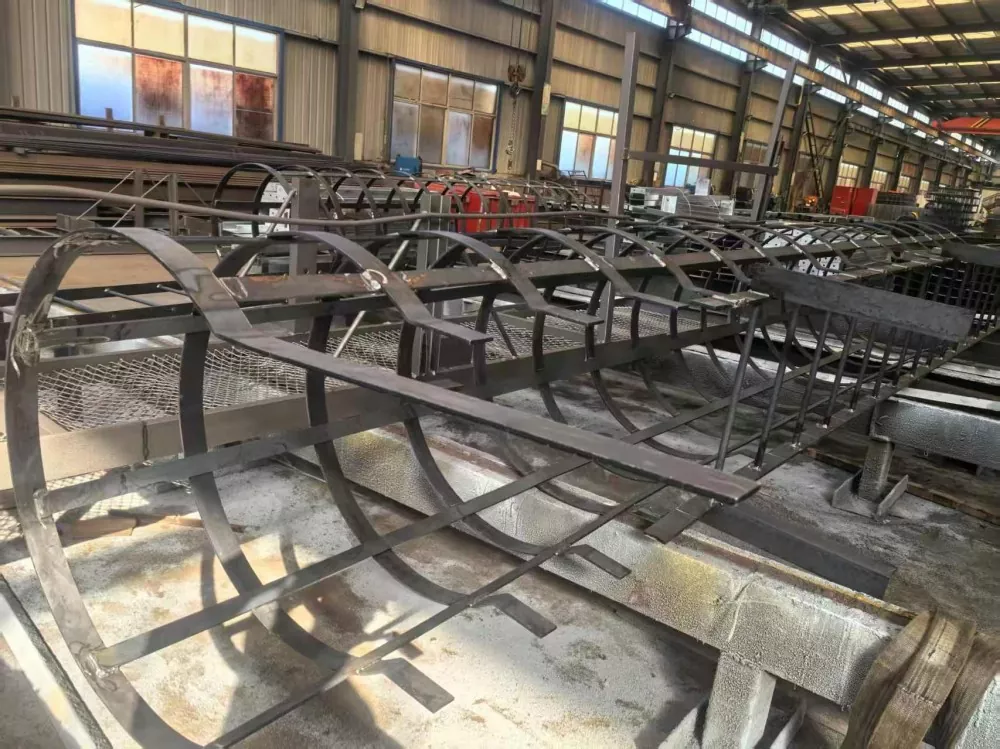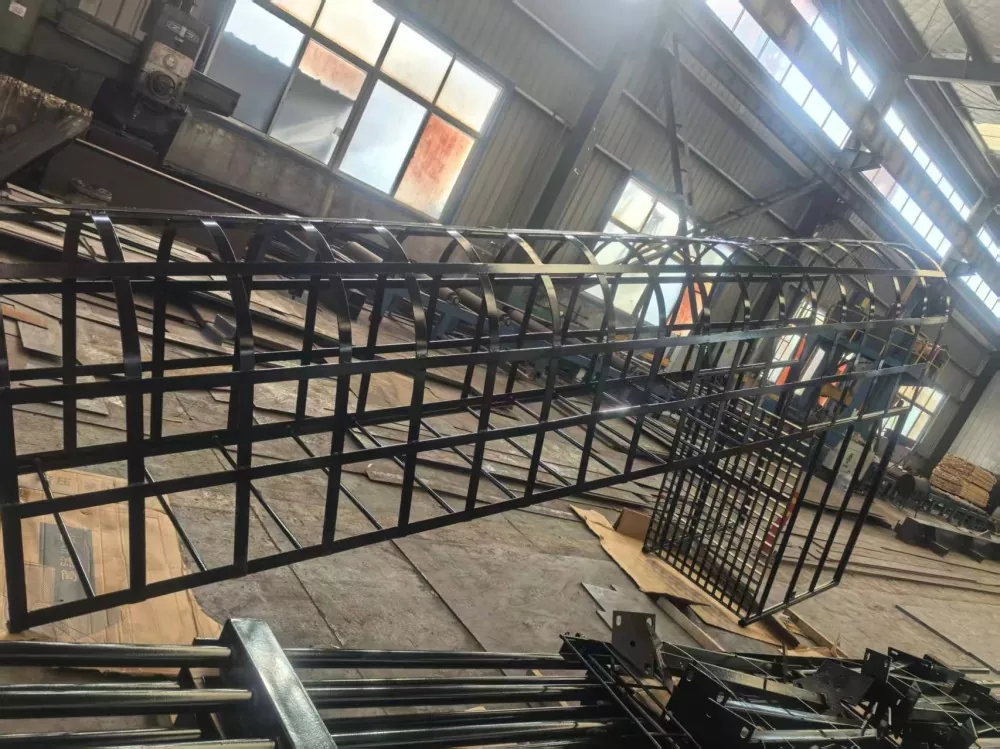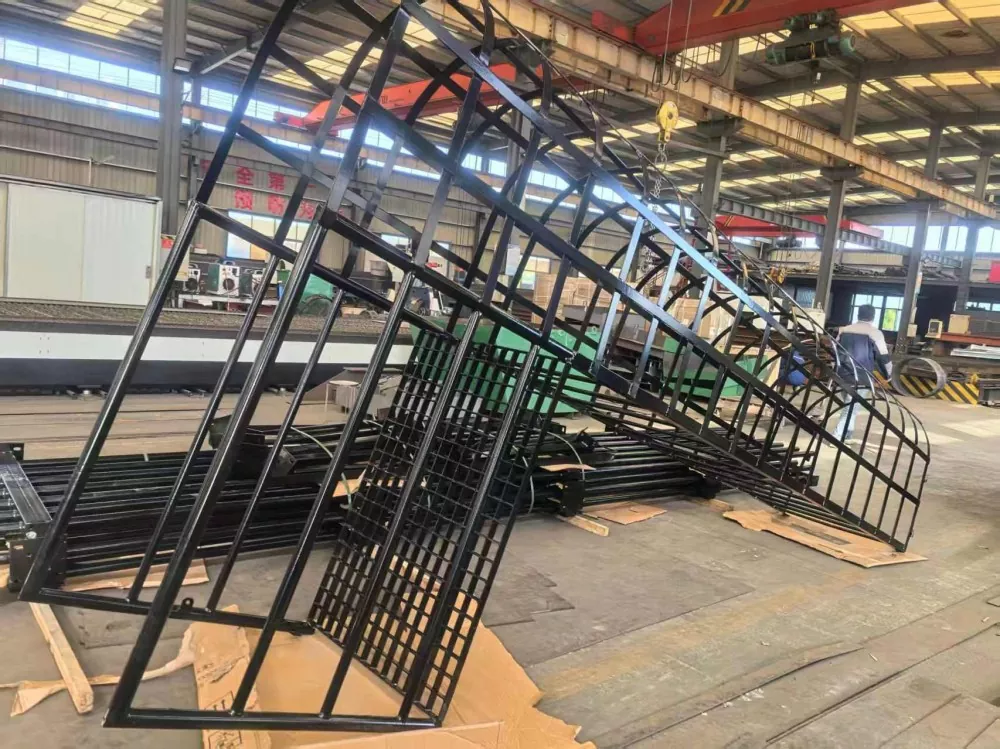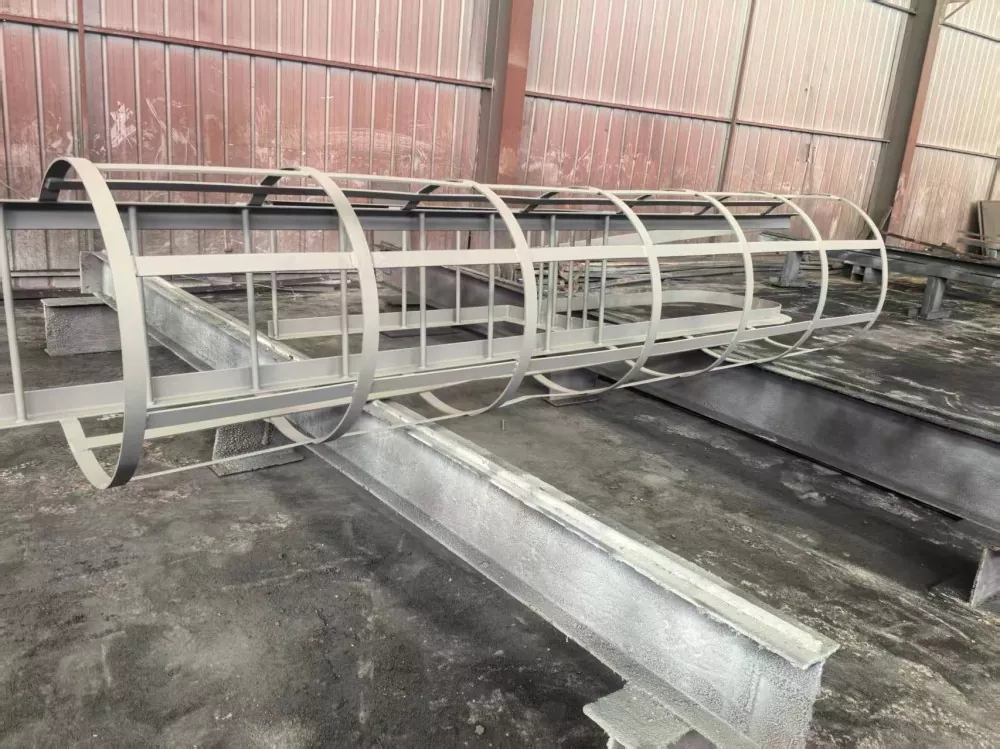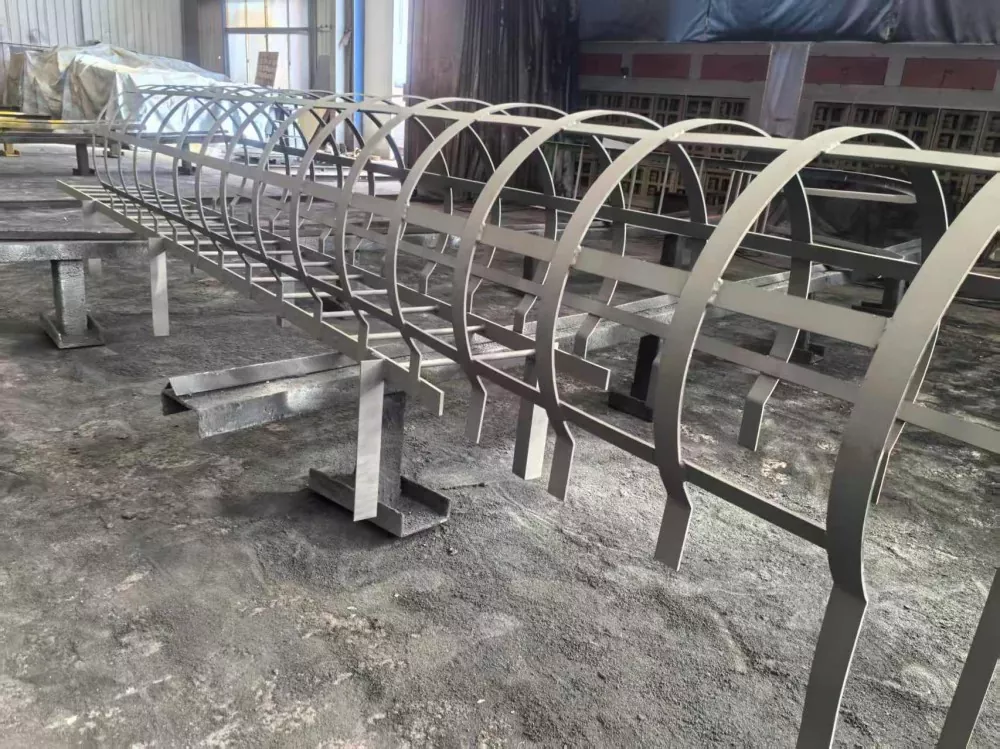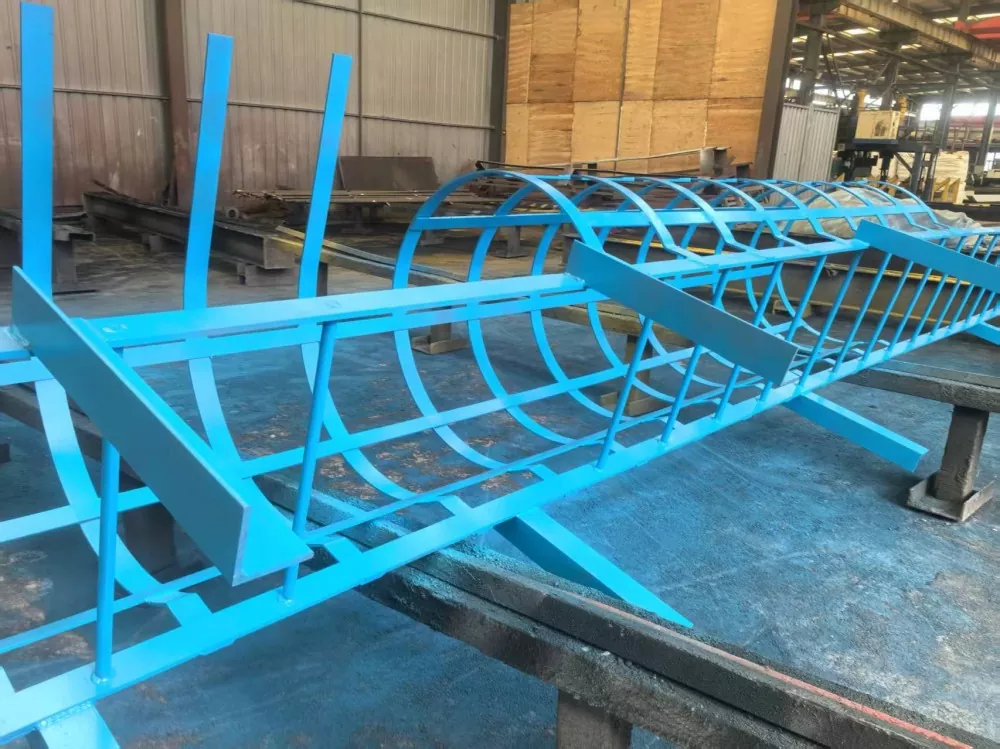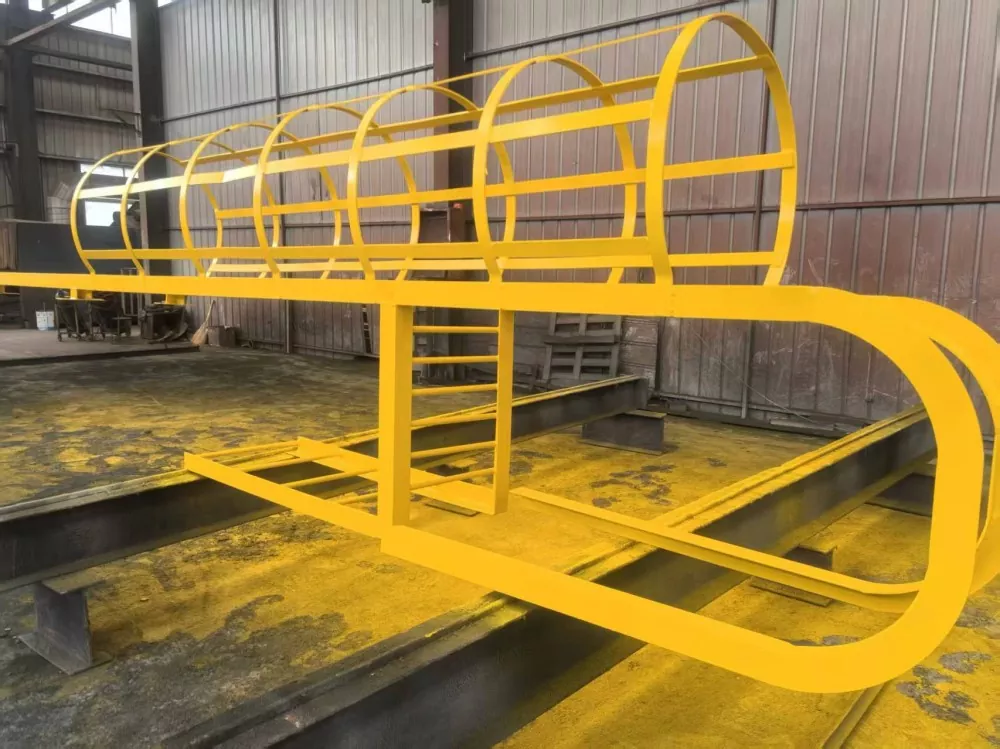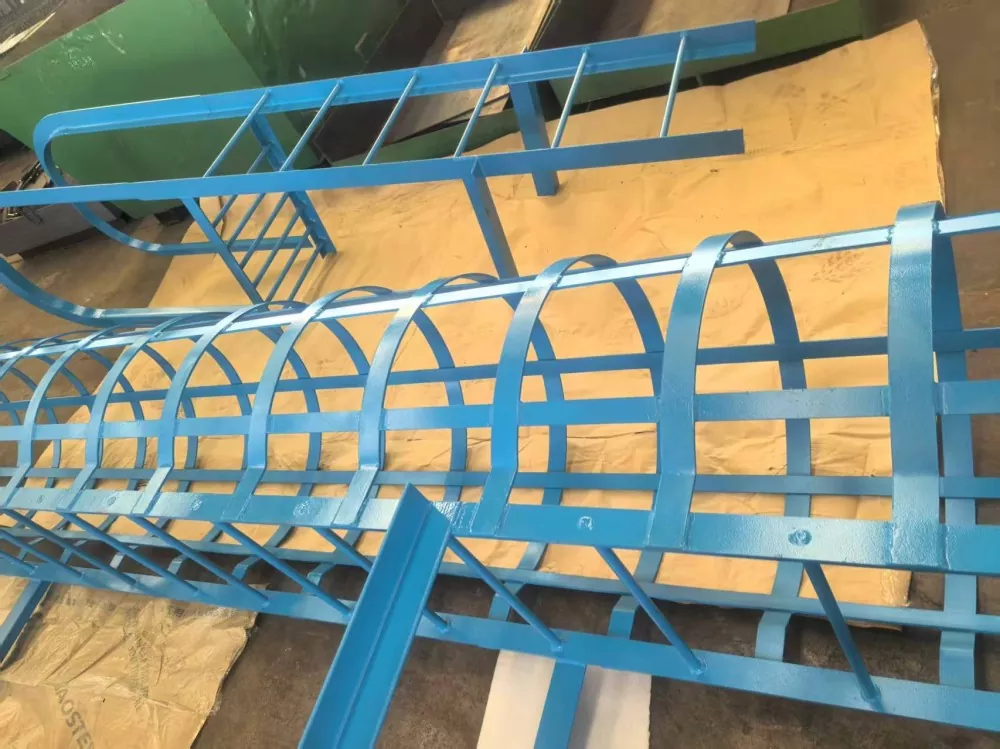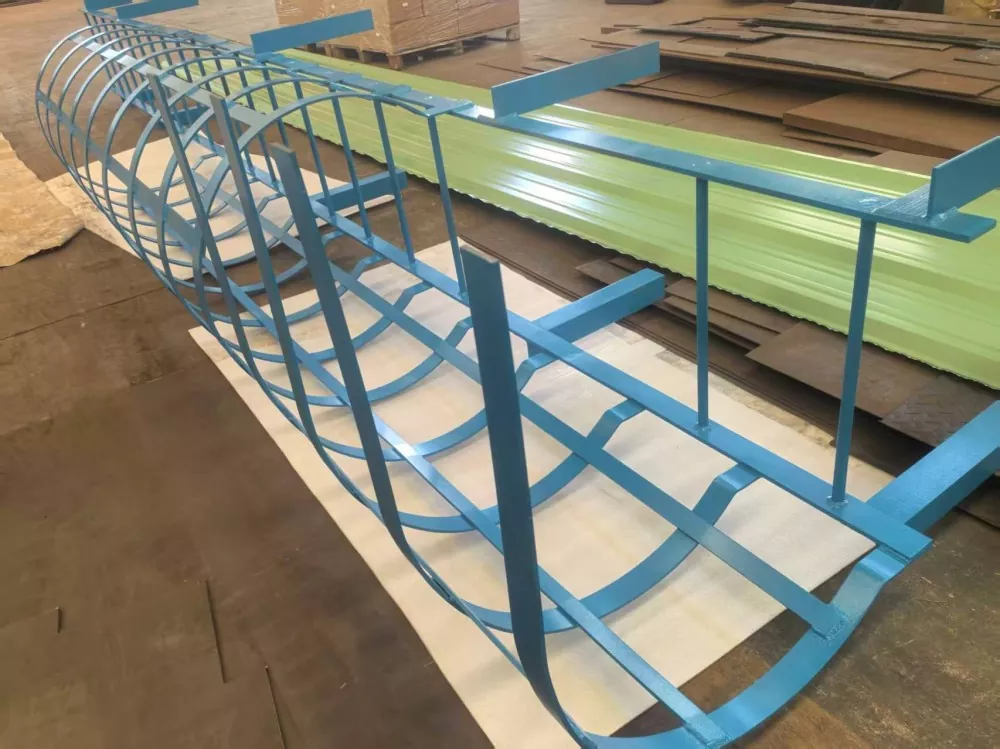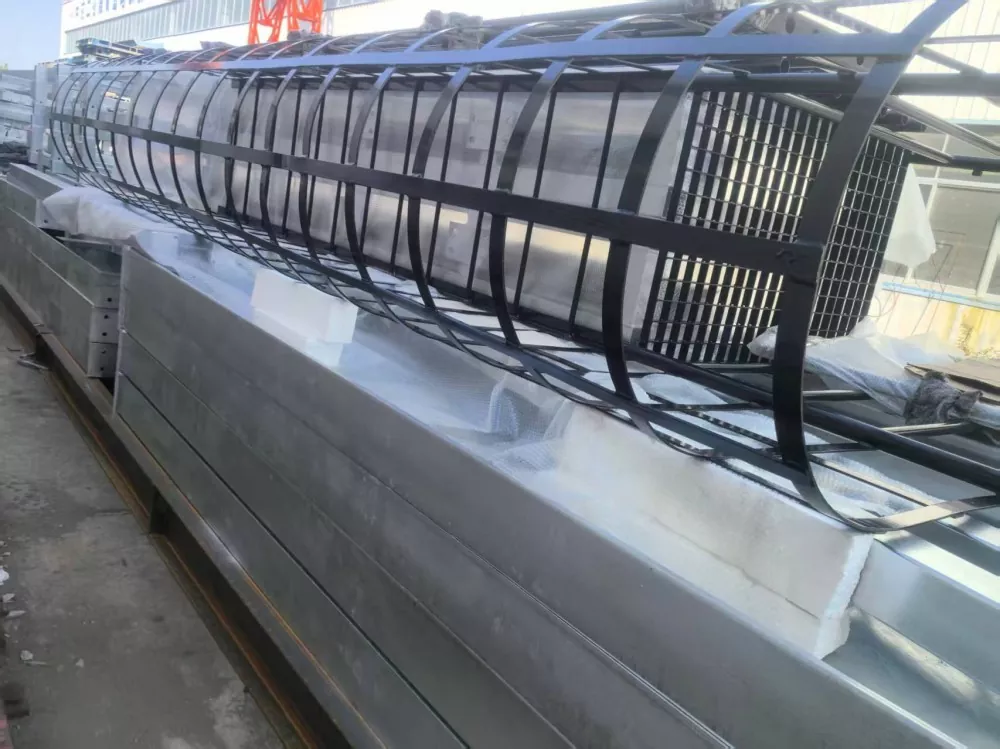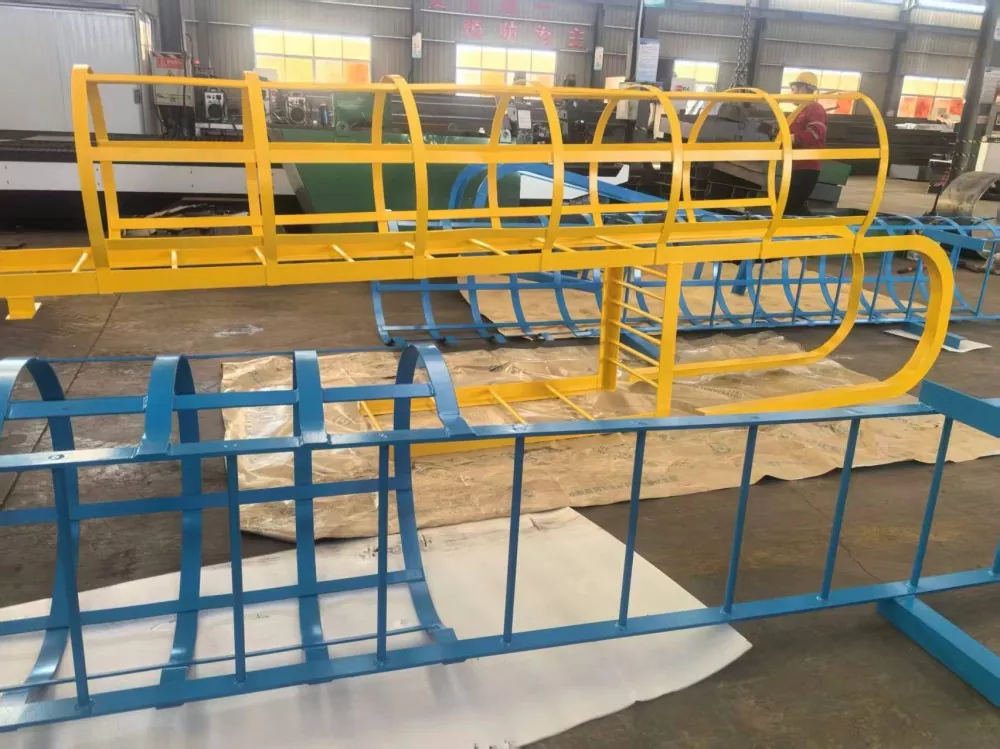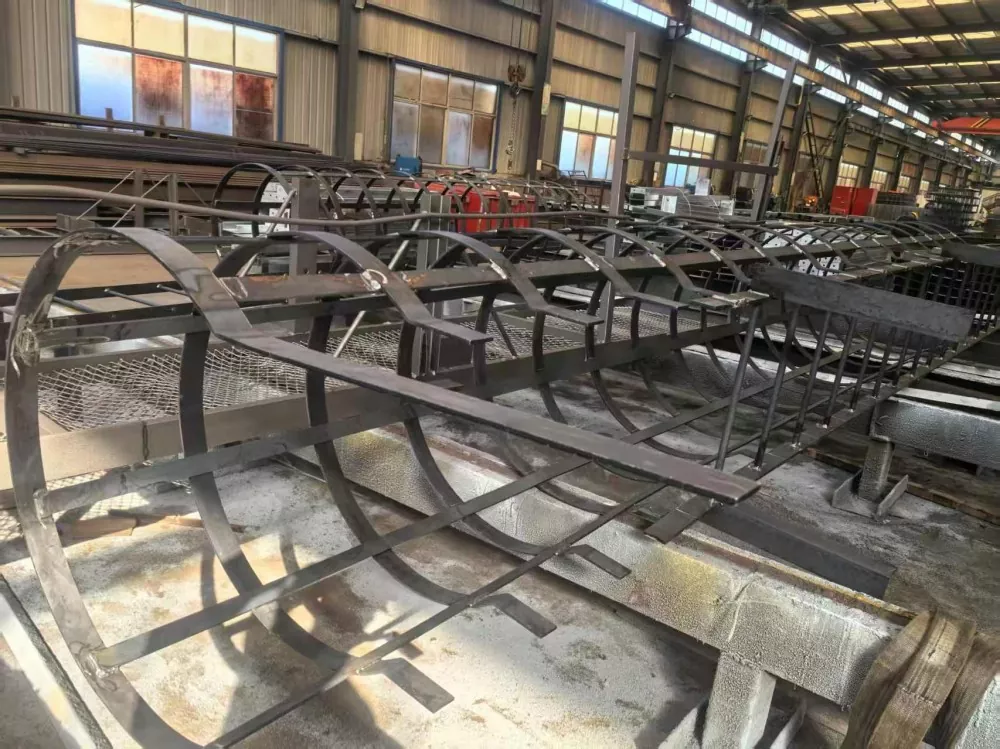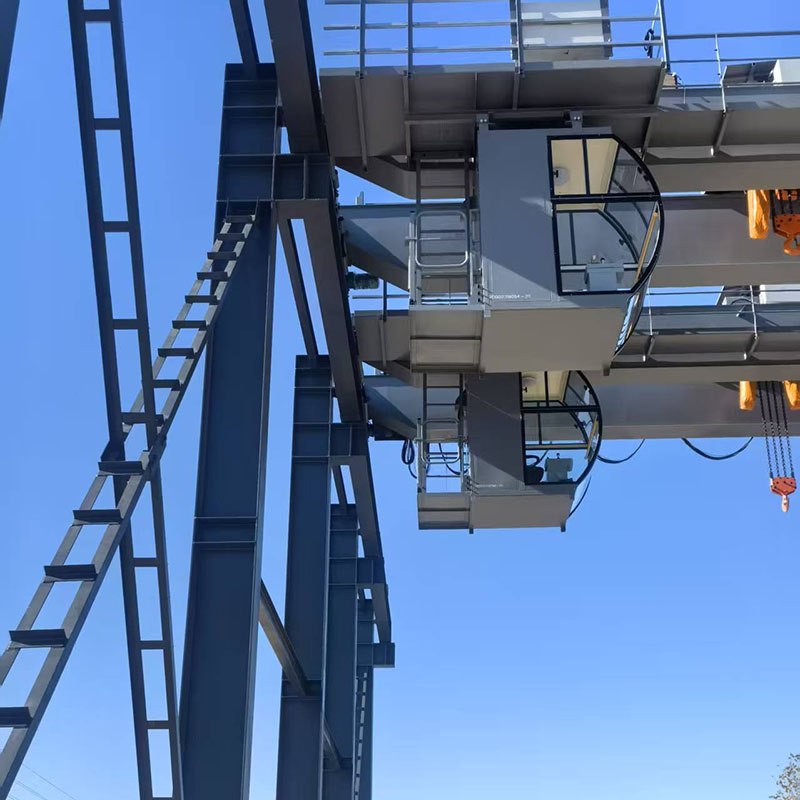
Welded Steel Ladder with Safety Features from LWY Steel Structure, a professional China steel structure supplier, is designed for industrial access applications requiring stable climbing performance and reliable protection. Manufactured through welding processes with steel components, the ladder provides secure access solutions for maintenance and construction environments. The structure can include anti-slip steps, guardrails, and resting platforms according to project requirements, with platform widths designed up to 600 mm for specific applications.
Unlike temporary climbing equipment, fixed welded ladder systems are designed as permanent access structures. The connection strength, step arrangement, anti-slip performance, and protection components all influence the overall user experience. LWY Steel Structure focuses on producing ladder solutions that balance structural reliability, installation convenience, and long-term use requirements.
Safety is one of the most important considerations when designing fixed steel access equipment. A reliable ladder system requires more than strong materials; it also requires reasonable spacing, stable connections, and protective elements that support users during climbing operations.
The Welded Steel Ladder with Safety Features adopts a structural design based on practical industrial requirements. The main safety-related elements include:
1. Stable Steel Framework: The ladder beams provide the primary load-bearing support. Depending on project requirements, steel sections such as angle steel, channel steel, or square tubes can be used to create a stable structure.
2. Secure Welded Connections: Welding processes connect ladder components together to improve structural integrity. Proper welding requirements help ensure reliable connections between beams, rungs, platforms, and supporting members.
3. Improved Foot Support: The climbing steps can include anti-slip treatment methods such as knurling, drilled surfaces, or welded anti-slip strips to increase friction and reduce slipping risks.
4. Additional Protection Components: Depending on ladder height and application requirements, guardrails and resting platforms can be added to improve climbing safety and reduce fatigue during higher access operations.
The performance of a welded ladder depends on the cooperation between each component. LWY Steel Structure considers the relationship between ladder beams, rungs, fixing points, and safety accessories during manufacturing to create practical access solutions.
The ladder beams work as the main structural members that support the climbing load. Common materials include hot-rolled steel sections such as angle steel, rectangular tubes, and round tubes. The selected material depends on factors including ladder height, application conditions, and required strength.
The spacing between ladder beams is generally designed between 300 mm and 500 mm, with 400 mm being a commonly used dimension. This configuration provides sufficient climbing space while maintaining structural stability.
The rungs are welded to the ladder beams to create a fixed climbing surface. Common rung materials include round steel with a diameter of 20 mm to 25 mm or flat steel with suitable thickness.
The distance between rungs is generally controlled between 200 mm and 300 mm, with 250 mm being a common arrangement. Consistent spacing helps users maintain a comfortable climbing rhythm and improves operational safety.
Reliable fixing is essential for permanent ladder installation. Ladder beams can be connected with structural members or platforms through suitable welding methods. For embedded connections, expansion bolts such as M16 or larger may be used according to installation requirements.
The embedded steel plate thickness should be at least 10 mm, the anchor rod diameter should be at least 12 mm, and the embedded depth should be at least 150 mm according to the provided technical requirements.
Different industrial projects may require different ladder dimensions and safety configurations. LWY Steel Structure provides flexible design options based on installation conditions, working environments, and customer requirements. The following technical information is based on the available product specifications.
| Item | Specification Details |
|---|---|
| Ladder Beam Material | Common materials include angle steel, channel steel, square tubes, rectangular tubes, and round tubes according to structural requirements. |
| Clear Ladder Width | Generally around 400 mm. The width can be increased to 600 mm for two-person climbing with separate design consideration. |
| Rung Material | Round steel with a diameter of 20 mm to 25 mm or flat steel with suitable thickness can be used. |
| Rung Spacing | Generally between 200 mm and 300 mm, with 250 mm being a common spacing. |
| Anti Slip Treatment | Available methods include knurling, drilled surfaces, and welded anti-slip strips. |
| Rest Platform | For taller ladder structures, intermediate resting platforms can be installed. Platform width should not be less than 600 mm. |
| Guardrail Height | Platform guardrails should be at least 1050 mm high. Top working platforms require guardrails of at least 1200 mm. |
| Surface Protection | Anti-rust primer and topcoat treatment are available. Hot-dip galvanizing is recommended for outdoor applications with a zinc layer thickness of at least 85 μm. |
A fixed ladder used in industrial environments needs to provide stable climbing support under different working conditions. Moisture, dust, and outdoor exposure may affect climbing safety, so proper protection design is an important part of the manufacturing process.
The Welded Steel Ladder with Safety Features can include several practical safety components:
1. Anti Slip Steps: The ladder rungs can be processed with knurling, drilled surfaces, or welded anti-slip strips to increase contact friction between footwear and the climbing surface. These solutions are especially useful in environments where water or dust may appear.
2. Guardrail Systems: Guardrails provide additional protection for users when climbing taller structures. For ladder sections exceeding certain heights, safety cages or guardrail systems can be designed according to project requirements.
3. Resting Platforms: For high access applications, resting platforms allow workers to stop during climbing operations. They also contribute to improving the overall stability of the ladder system.
4. Secure Bottom and Top Protection: Ladder entrances and exits require careful design consideration. When the ladder top functions as a working platform, additional protection such as guardrails and kickboards should be considered.
Welded fixed ladder systems are commonly used where regular access is required between different levels of industrial structures. Their permanent installation characteristics make them suitable for locations that need repeated maintenance and inspection access.
Typical application environments include:
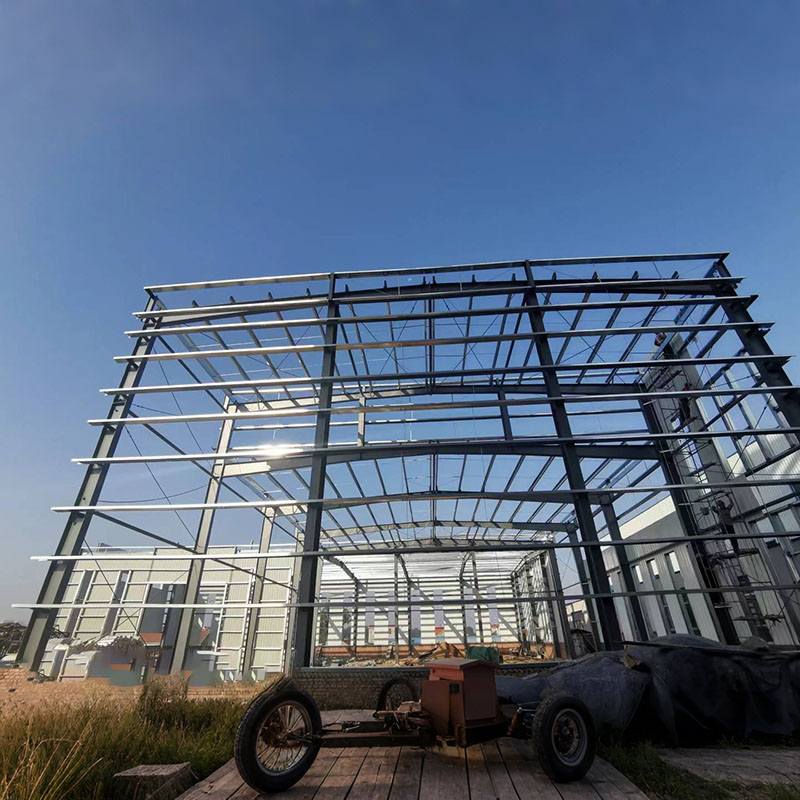
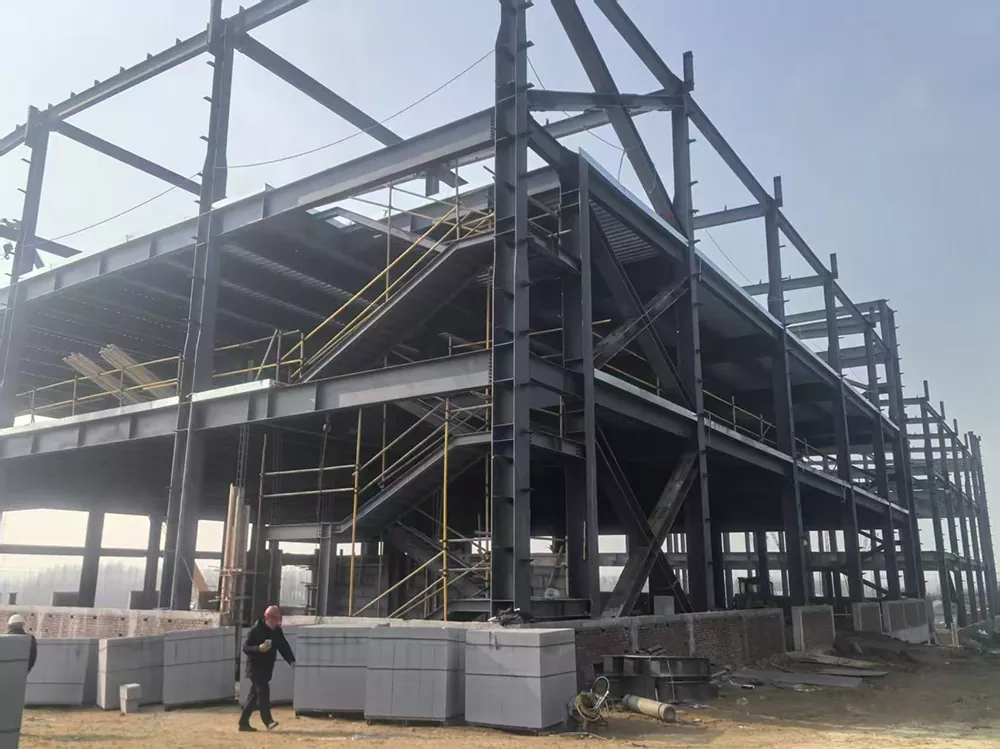
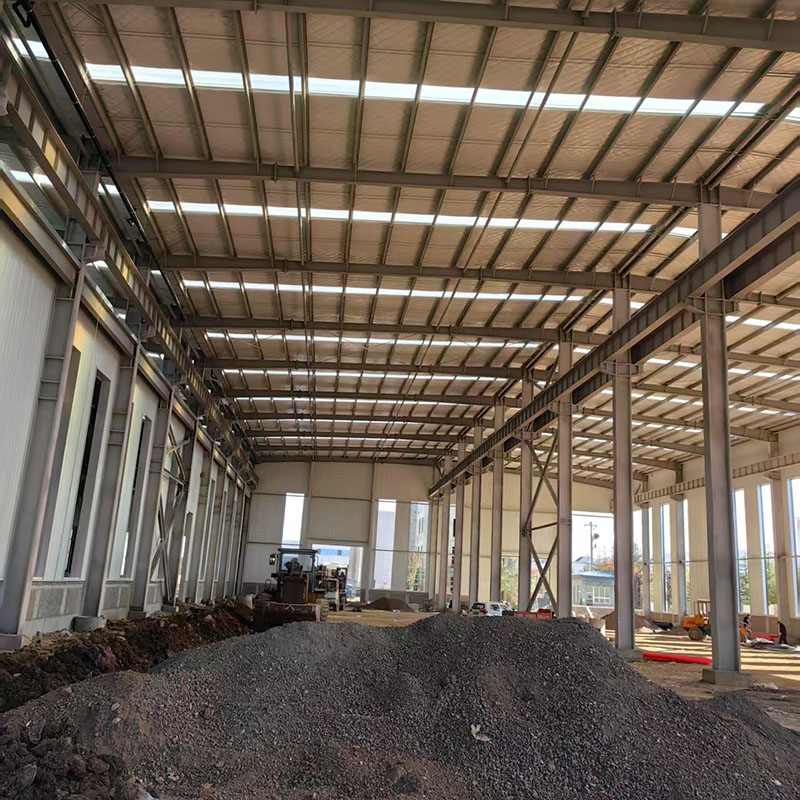
1. Steel Structure Buildings: Industrial buildings often require reliable access routes for roof areas, elevated platforms, and structural inspection points. Fixed steel ladders provide a practical connection between different working levels.
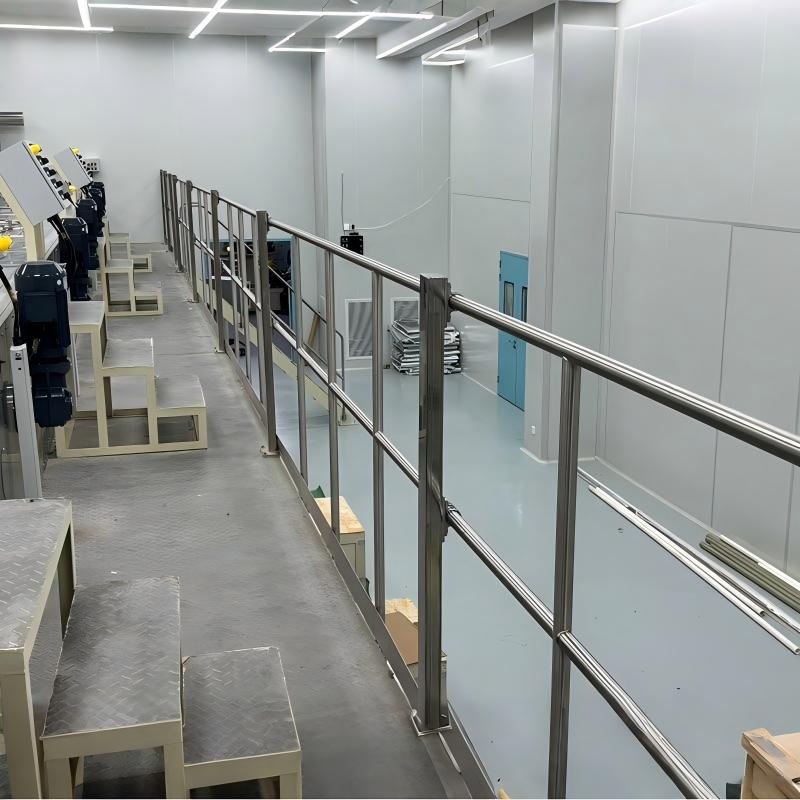
2. Equipment Maintenance Areas: Factories and industrial facilities may use access ladders around machinery areas, service platforms, and elevated equipment locations where workers need regular inspection access.
3. Outdoor Industrial Facilities: With suitable corrosion protection, welded steel ladder systems can be applied in outdoor environments requiring durable access equipment.
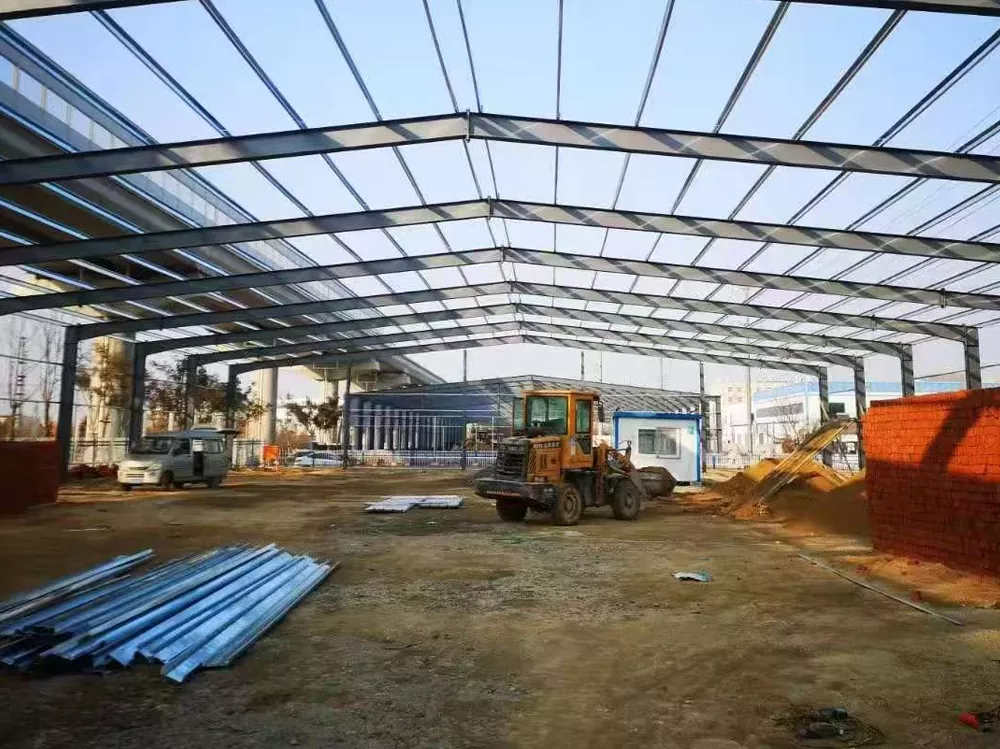
4. Construction and Engineering Projects: Steel structure projects may require customized ladder solutions that match specific building layouts and installation requirements.
LWY Steel Structure follows controlled manufacturing procedures to maintain product consistency. The production of welded ladder systems includes material preparation, component processing, welding assembly, inspection, and surface protection.
1. Raw Material Control: Steel materials are inspected before production to confirm required composition and strength performance.
2. Fabrication Process: Components are cut, positioned, and welded according to structural requirements. Welding quality is important for maintaining connection strength between ladder parts.
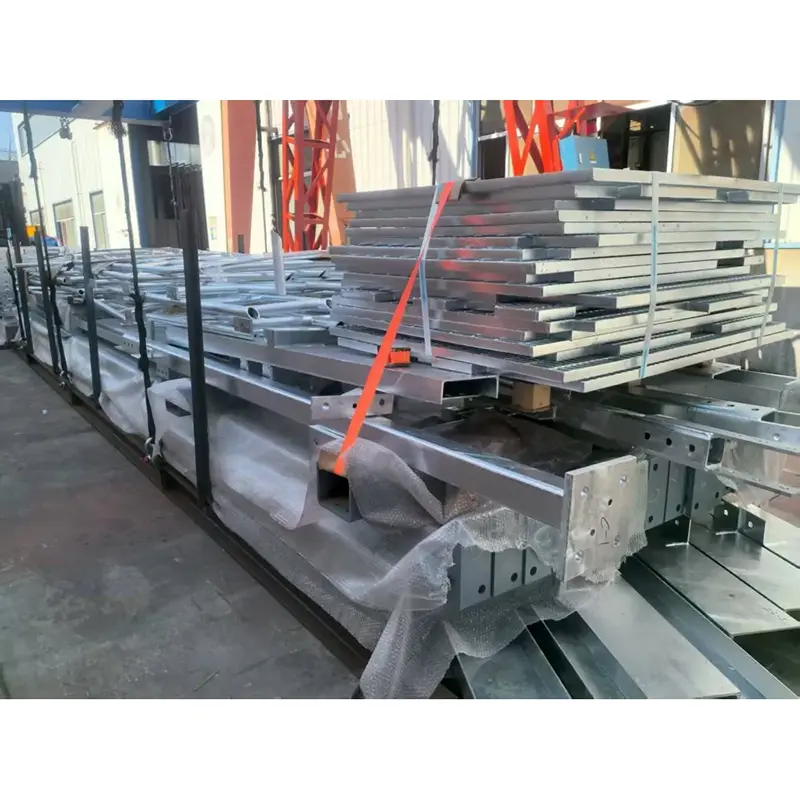
3. Surface Treatment: Steel components receive protective treatment to improve corrosion resistance. Different surface protection methods can be selected according to indoor or outdoor application conditions.
4. Quality Management System: LWY Steel Structure operates an ISO9001-2016 certified quality management system and applies inspection procedures throughout production. The company also provides steel structure products with CE certification according to EN1090 standards.
Industrial projects often have different structural layouts and access requirements. LWY Steel Structure provides customized Welded Steel Ladder with Safety Features by adjusting ladder dimensions, connection methods, safety components, and surface treatment according to project conditions.
The service process includes:
1. Requirement Evaluation: Project conditions, installation location, ladder height, and safety requirements are considered before production.
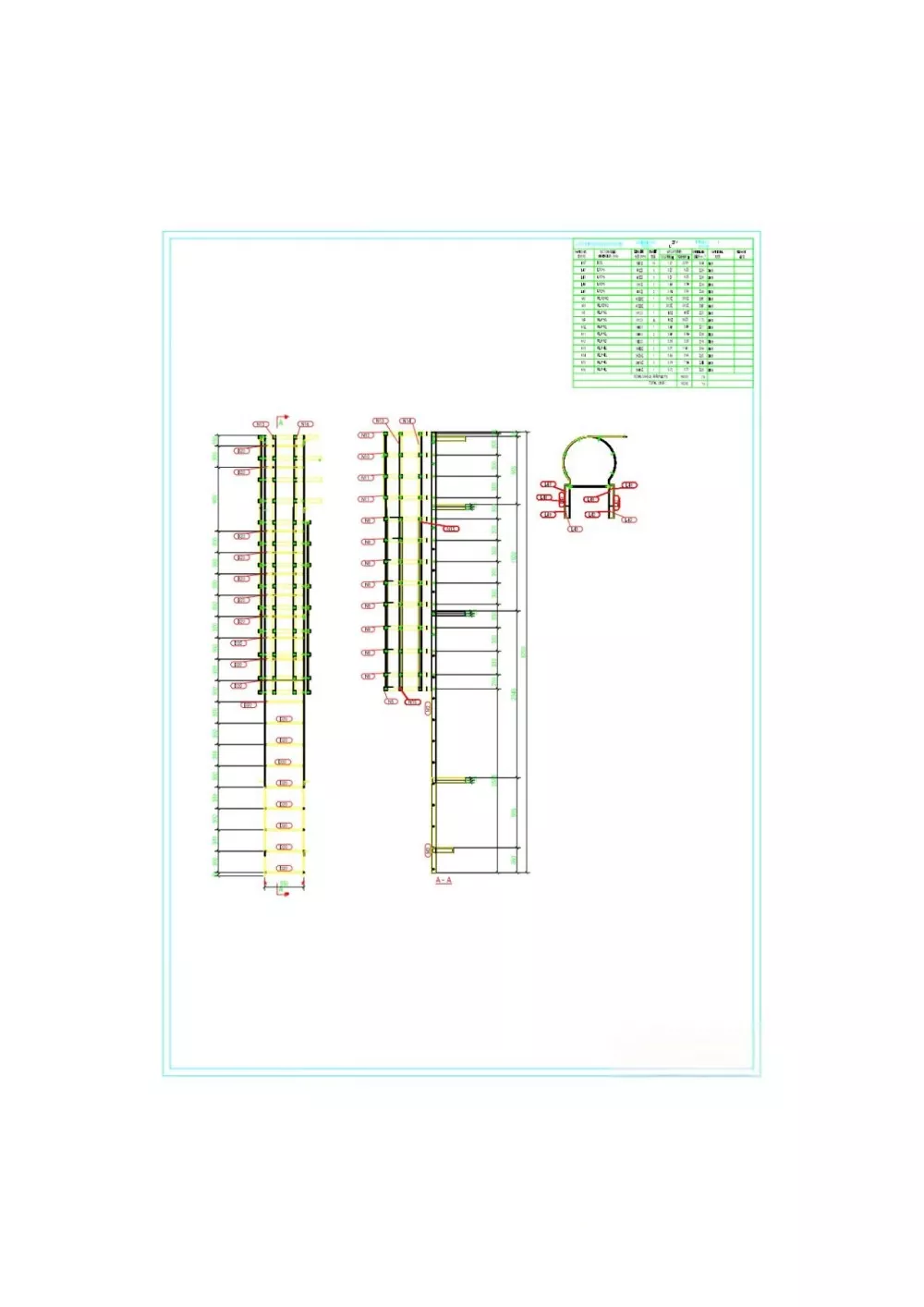
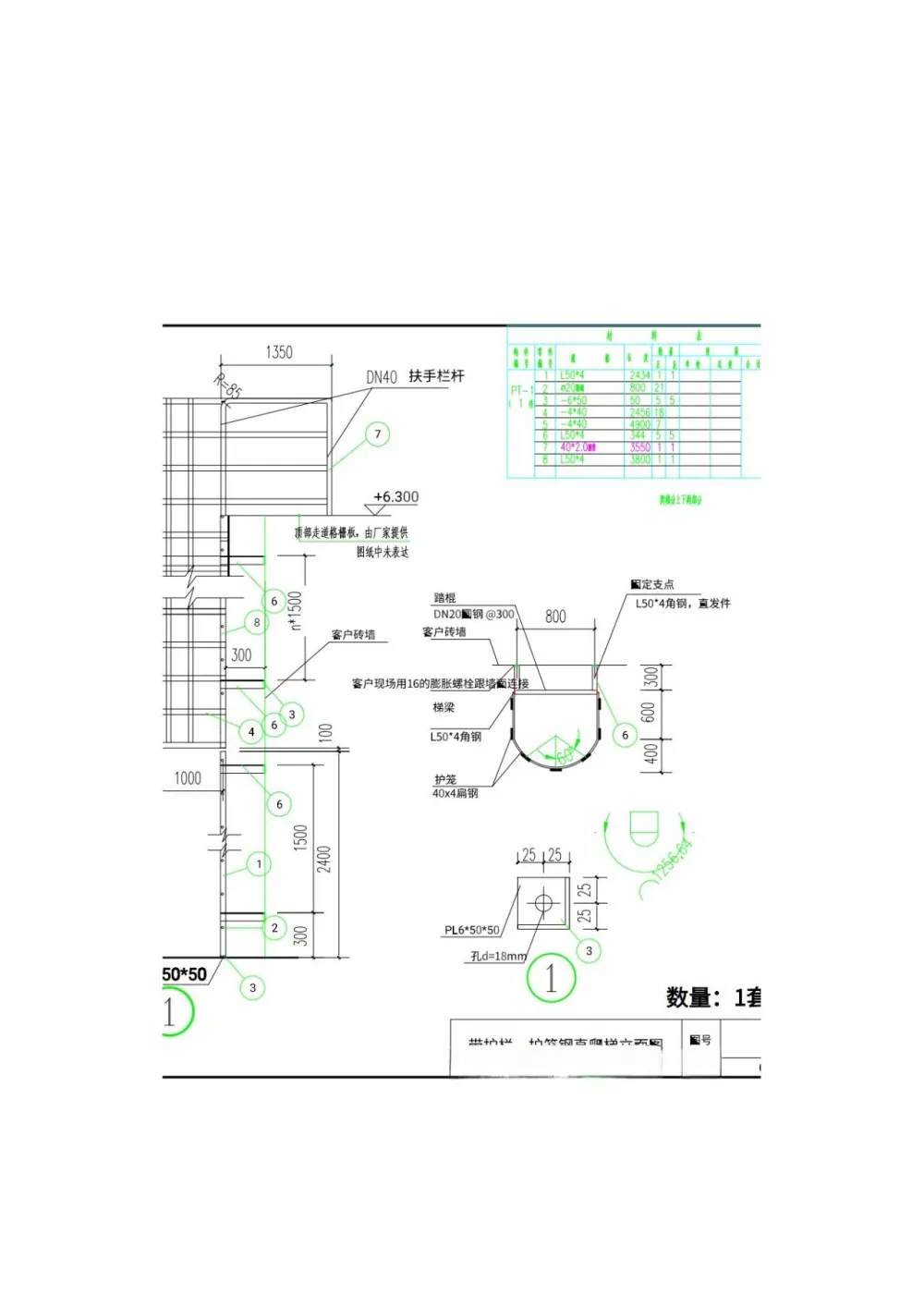
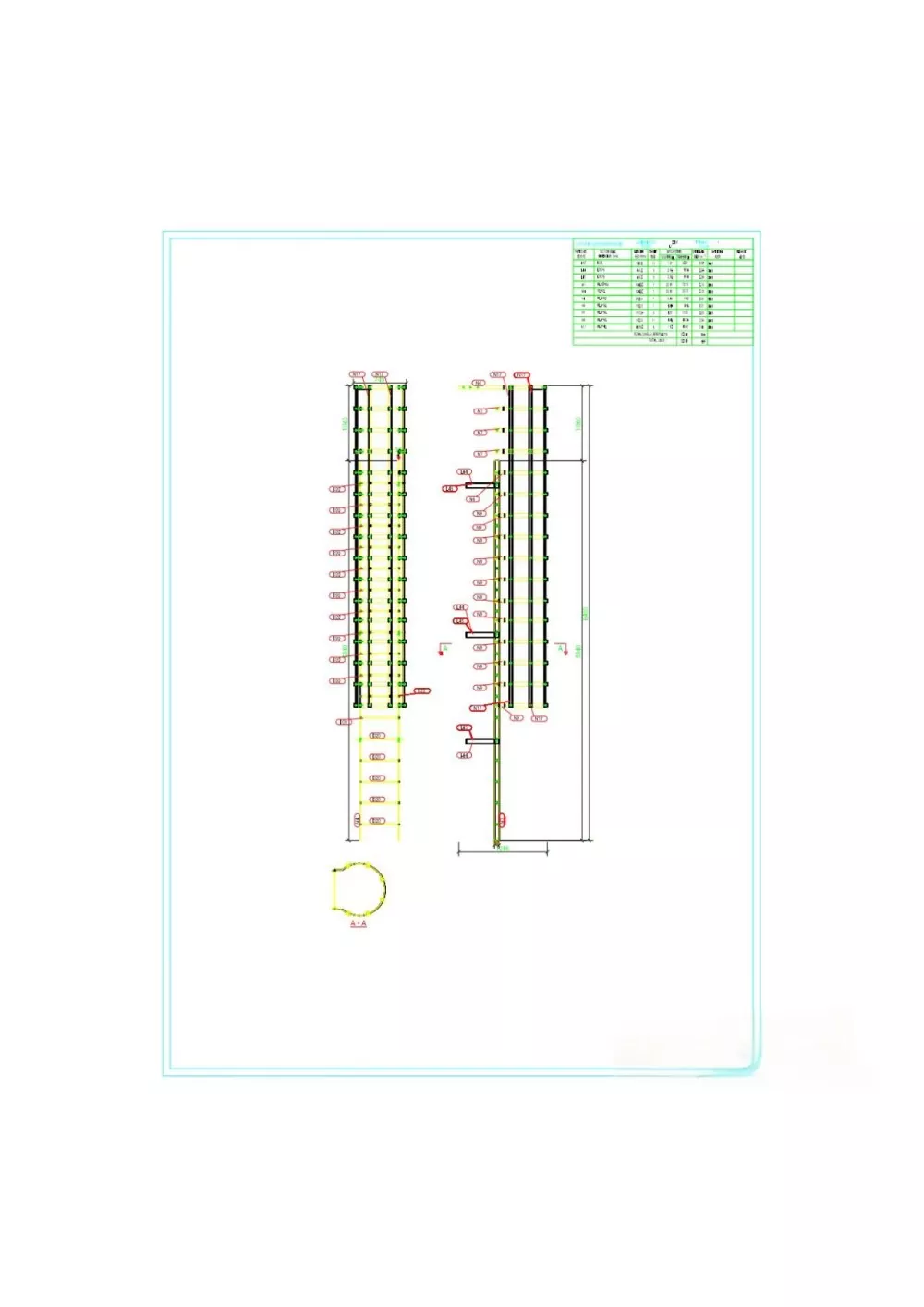
2. Drawing Support: Construction drawings and installation instructions can be provided to help customers understand the installation process.
3. Manufacturing Arrangement: Production is completed according to confirmed technical requirements and quality procedures.
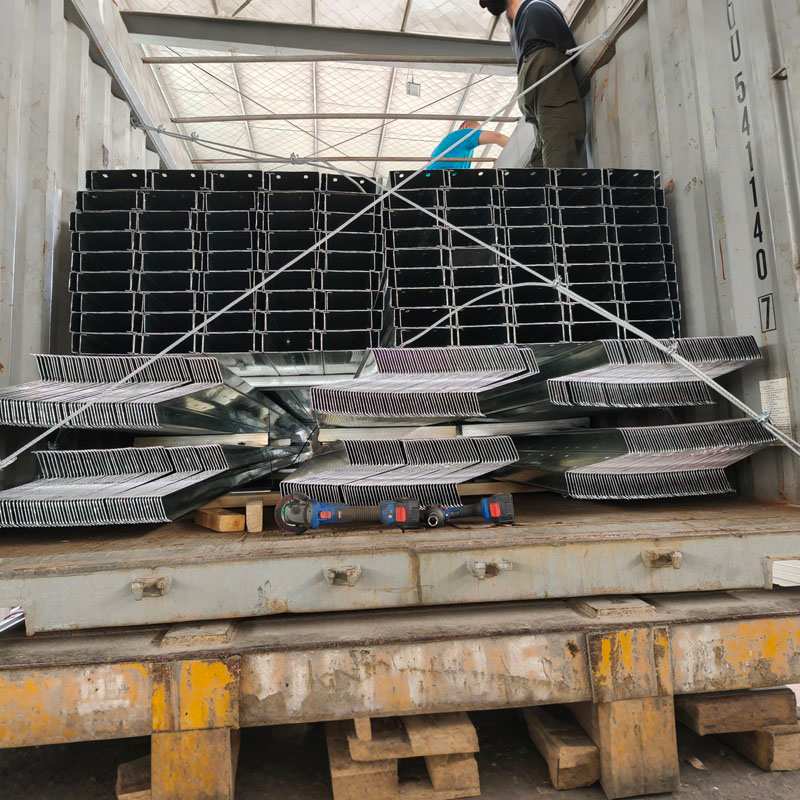
4. Delivery Support: Delivery time depends on product size and order quantity. According to the provided company information, general delivery is within 30 days after payment, and large orders can be shipped in batches.
A: A welded steel ladder is suitable for industrial applications because it provides a fixed access solution with stable structural connections. The welded components create a solid framework, while safety features such as anti-slip steps, guardrails, and resting platforms can improve climbing reliability for maintenance and inspection work.
A: Safety features may include anti-slip rungs, protective guardrails, resting platforms, and properly designed ladder entrances and exits. The final configuration depends on ladder height, installation environment, and the specific requirements of the project.
A: Yes. LWY Steel Structure can customize important dimensions including ladder height, width, rung arrangement, guardrail configuration, and connection methods. Custom design helps the ladder better match different industrial building structures and installation conditions.
A: The ladder steps can use different anti-slip solutions, including knurling, drilled surfaces, or welded anti-slip strips. These treatments increase friction between the user's footwear and the climbing surface, which is especially helpful in humid or outdoor environments.
A: The main structural components can use steel sections such as angle steel, channel steel, square tubes, rectangular tubes, or round tubes. The selection depends on the required strength, ladder height, and application conditions.
A: Yes. Outdoor installation requires suitable corrosion protection. Steel components can receive anti-rust primer and topcoat treatment, while hot-dip galvanizing is recommended for outdoor applications requiring stronger corrosion resistance.
A: LWY Steel Structure applies an ISO9001-2016 certified quality management system. Production includes material inspection, manufacturing process control, welding inspection, and final quality checks. The company also provides CE-certified steel structure products according to the EN1090 standard.
A: Yes. LWY Steel Structure can provide construction drawings and installation instructions to support customers during installation. These documents help users understand assembly requirements and complete installation more efficiently.