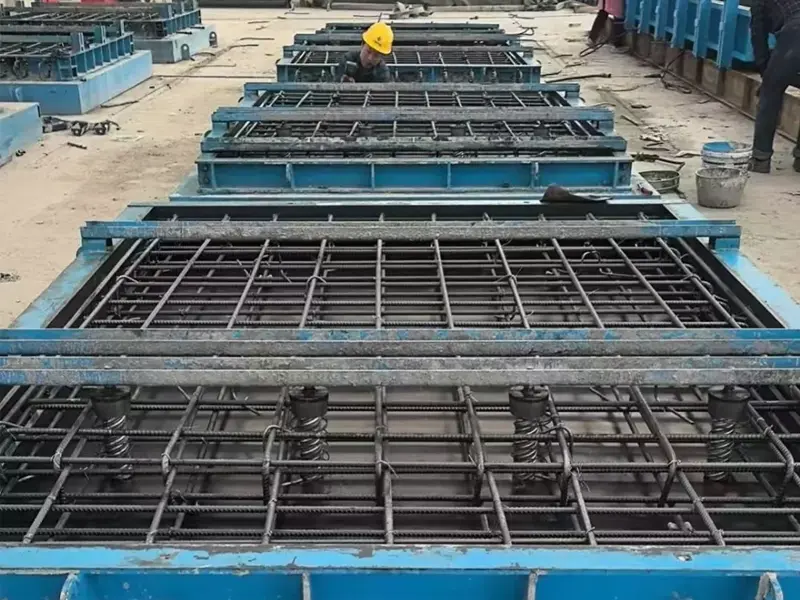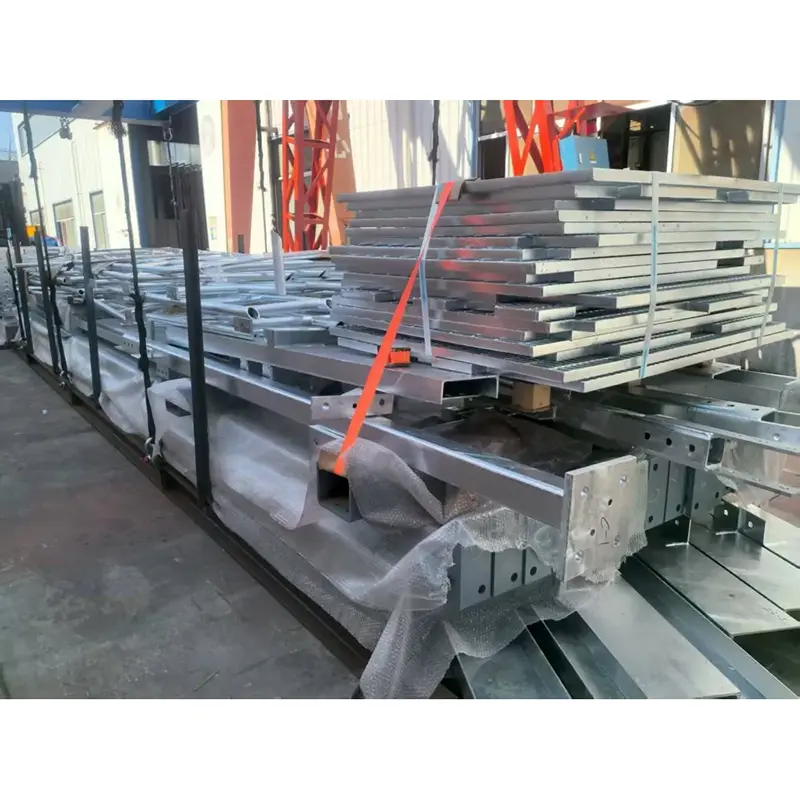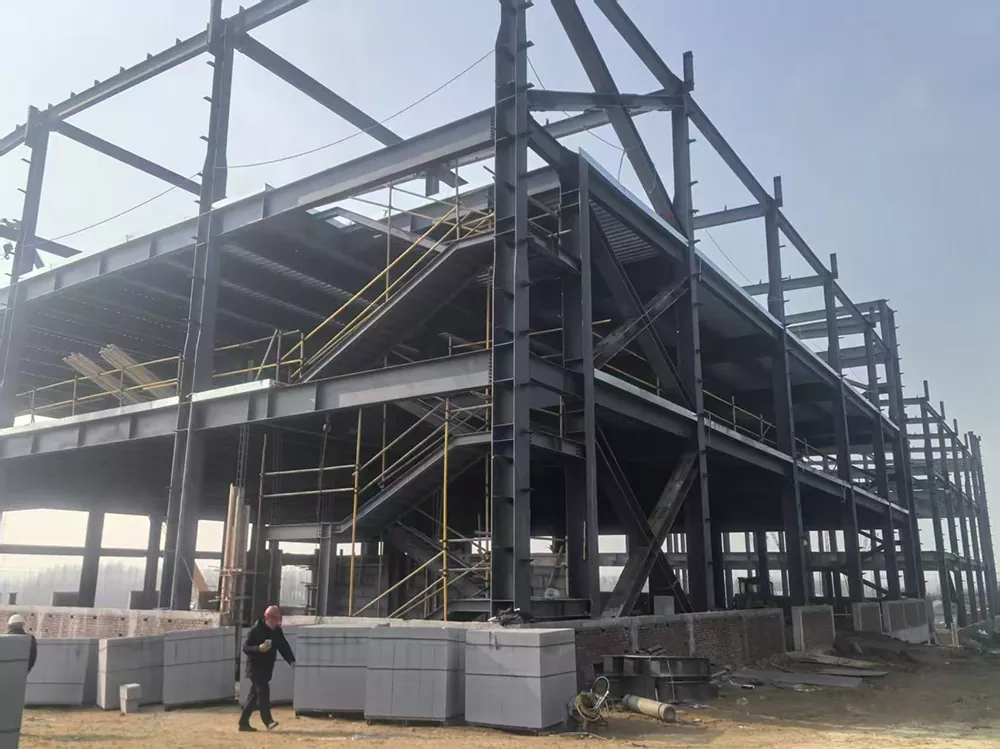
High Strength Steel Formwork for Concrete Casting from LWY Steel Structure is developed for concrete casting applications requiring reliable rigidity, dimensional control and stable support. As a China manufacturer, LWY Steel Structure combines steel fabrication experience with practical production capabilities to serve construction and precast concrete projects. Established in 2003, the company has exported its steel products to more than 50 countries and regions.
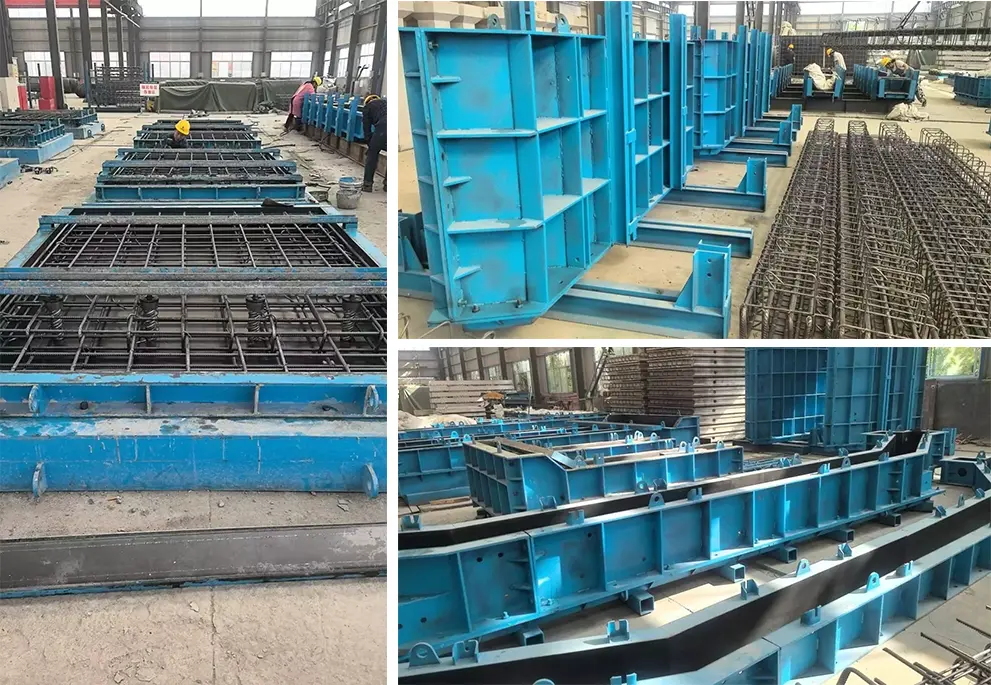
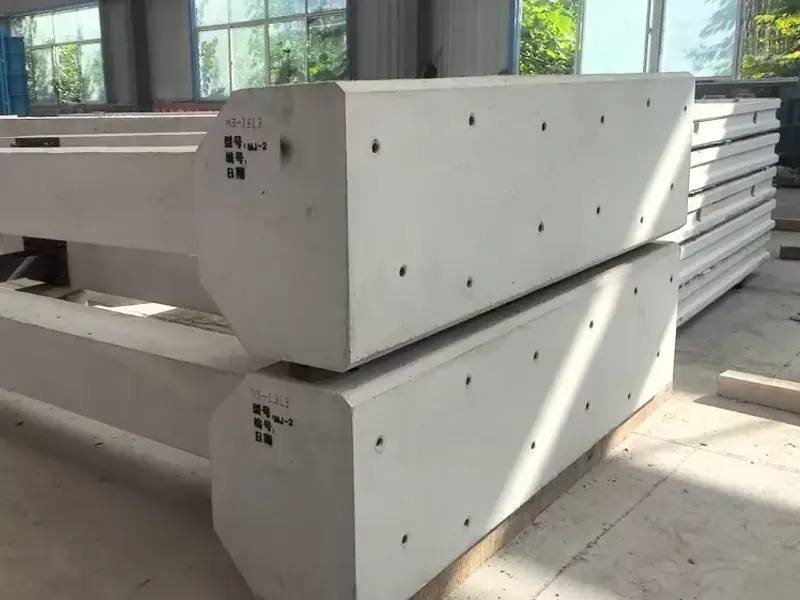
Dimensional accuracy is important when steel formwork is used to produce concrete components that must meet defined drawings and dimensions. Liweiyuan formwork is manufactured with attention to the geometric dimensions of the concrete structure. For beam and slab formwork, the stated tolerances for length, width and height are generally kept within ±5mm. This provides a clear dimensional reference for concrete component production and construction work.
Concrete casting places loads on the formwork, while construction operations can create additional working forces. The formwork therefore needs adequate strength and rigidity to maintain its intended configuration. Liweiyuan selects material and cross-sectional dimensions according to the size and shape of concrete components and the construction process. Strength and stiffness calculations are also considered during the design stage to help control deformation during concrete pouring.
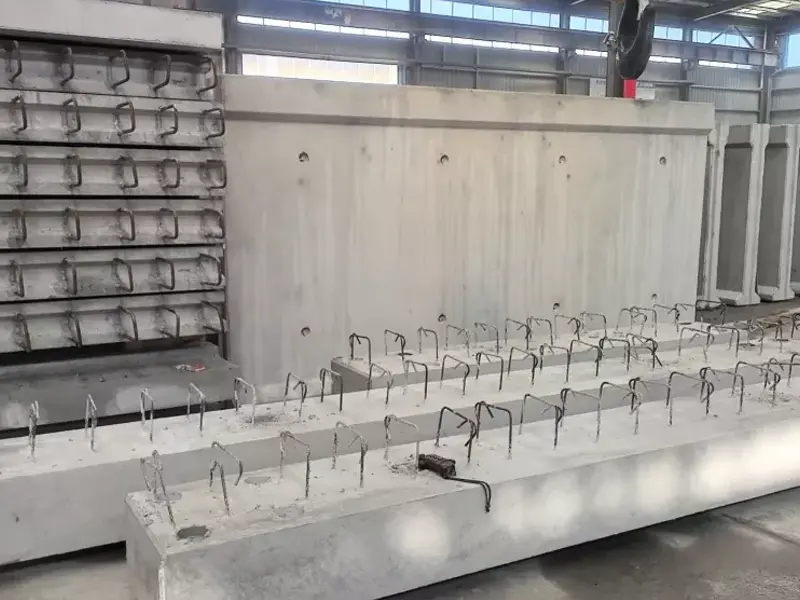
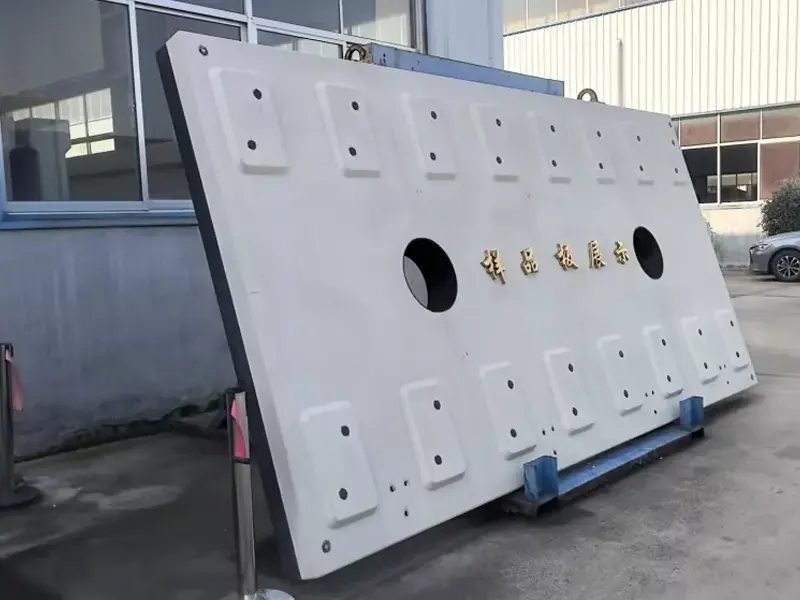
Liweiyuan's steel structure formwork system is designed to remain stable under horizontal and vertical loads that may occur during construction. The support system is configured according to the formwork arrangement, with attention to support spacing, height and connection methods. Proper coordination between panels and supports helps maintain the intended position of the formwork during concrete placement.
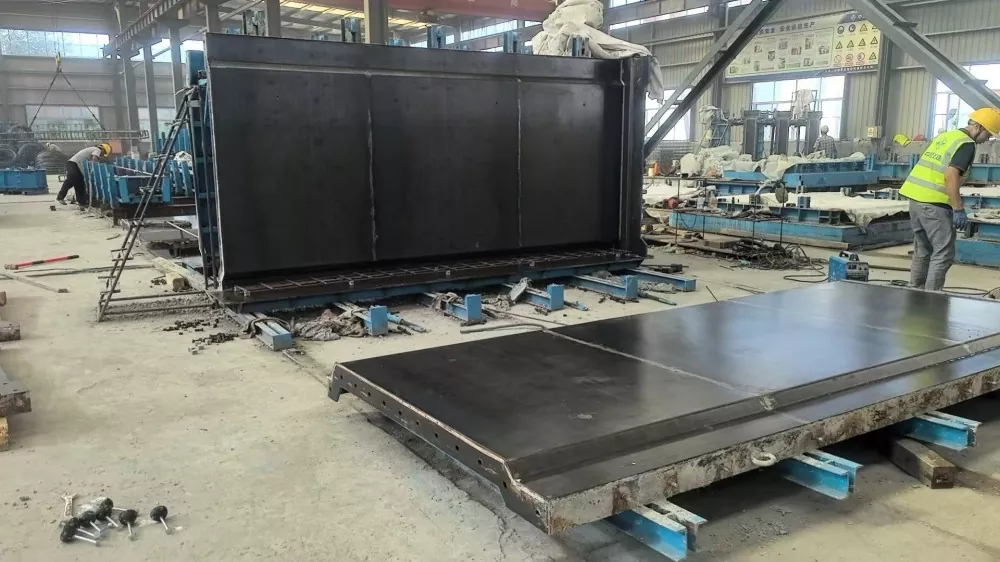
Liweiyuan steel formwork uses practical splicing and connection methods to support installation and removal. Close joints help reduce concrete leakage between formwork sections. Common options described by the company include flat splicing and tongue-and-groove splicing, while bolts and snap-fit connections can provide secure joining. Large formwork can also be used with electric motors to improve handling efficiency during operation.
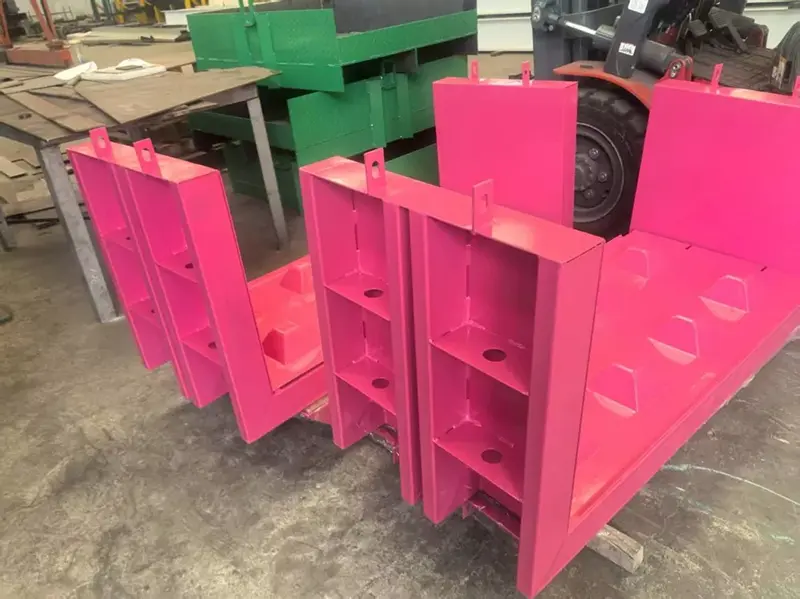
Formwork creates the temporary geometry that contains fresh concrete during casting. Its structural condition therefore affects how accurately the concrete component follows the intended dimensions. For construction and precast applications, the formwork needs to remain sufficiently stable while concrete is placed and during the required casting period.
High Strength Steel Formwork for Concrete Casting focuses on the relationship between material strength, structural rigidity and support configuration. Rather than considering the steel panel alone, the formwork system needs to work together with its connections and supporting components.
Formwork is exposed to the weight and pressure associated with concrete as well as working loads generated during construction. The design therefore needs to consider the size and shape of the concrete component and the selected construction method. Liweiyuan's product information states that material and cross-sectional dimensions are appropriately selected according to these conditions.
This design approach allows the formwork structure to be considered according to the actual application instead of applying one identical configuration to every concrete component.
Strength alone does not define formwork performance. Rigidity is also important because excessive deformation can affect the geometry of the finished concrete component. Strength and stiffness calculations are therefore included in the stated formwork design process.
For projects requiring controlled dimensions, this combination of structural strength and rigidity provides an important basis for selecting an appropriate formwork configuration.
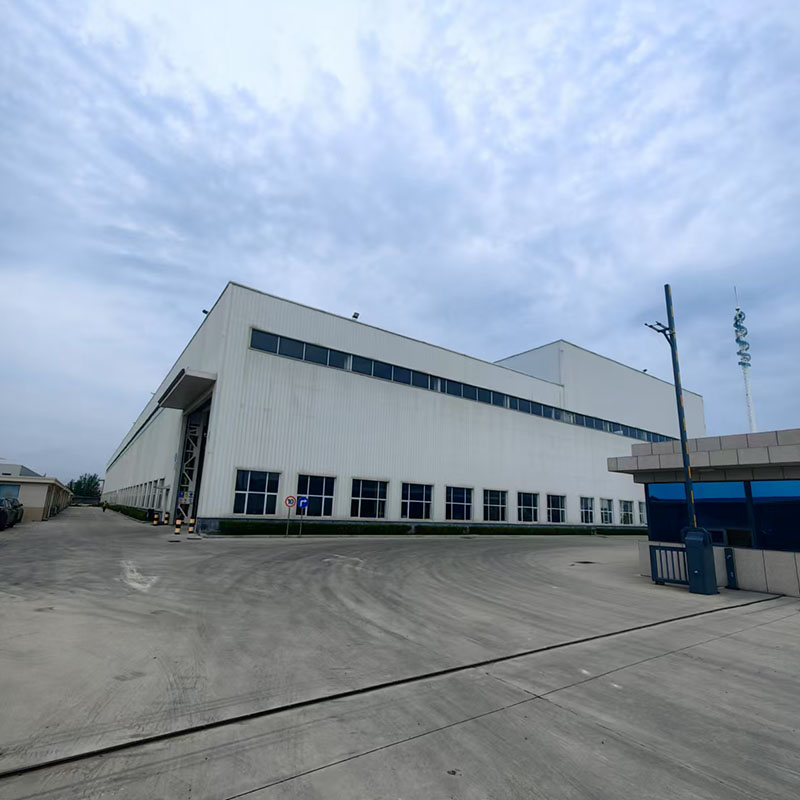
LWY Steel Structure was established in 2003 and has developed manufacturing experience in steel structures, steel structure houses, accessories, workshops, offshore platforms and modular houses. The company provides design, R&D and manufacturing services for steel-related construction projects.
The company profile states that its workforce includes 200 employees, including 20 engineering technicians, 50 construction workers and 30 management staff. It also reports an annual steel component processing capacity of more than 20,000 tons.
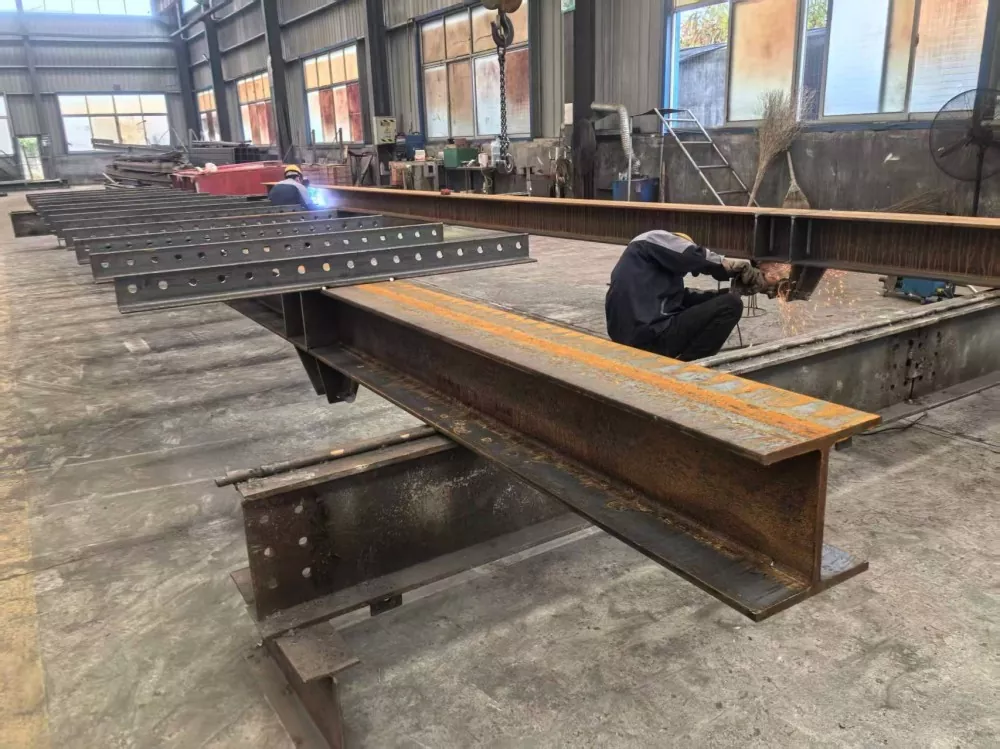
LWY Steel Structure has listed a range of production and processing equipment, including processing centers, CNC lathes, laser tube cutters, laser plate cutters, CNC multi-head cutting machines and drilling equipment. The production equipment also includes automatic submerged arc welding machines, straightening machines, shot blasting and rust removal machines, airless spraying machines and H-beam automatic welding machines.
These production resources cover multiple stages of steel fabrication. Cutting, drilling, welding, straightening and surface treatment all contribute to the dimensional and structural requirements of fabricated steel components.
LWY Steel Structure states that its products have been exported to more than 50 countries and regions. The company is located in the Industrial Park of Qingdao West Coast New Economic Zone, with Qingdao Port approximately 36 kilometers away and Jiaodong International Airport approximately 60 kilometers away according to its company information.
For international construction projects, manufacturing resources and logistics conditions are important parts of supplier evaluation. The company's location and established export experience provide a practical foundation for international project communication and shipment coordination.
Formwork requirements depend on the dimensions of the concrete component, construction method, support arrangement and intended production process. Steel formwork can be configured for different concrete forming requirements while maintaining attention to structural stability and dimensional control.
High Strength Steel Formwork for Concrete Casting can be considered for projects where a rigid and stable forming structure is required during concrete work. The appropriate configuration should be determined according to the actual drawings and construction conditions.
1. Beam and slab forming: The formwork can be arranged according to the required dimensions of beam and slab components, with attention to length, width, height and supporting conditions.
2. Concrete component production: Controlled formwork dimensions can support the production of concrete components manufactured according to defined project requirements.
3. Construction projects: The steel formwork system can be used where stable support, practical connections and controlled concrete geometry are required.
4. Large formwork applications: The company states that large formwork can be used together with electric motors to improve handling efficiency.
The actual application and formwork configuration should be confirmed according to project drawings, concrete component dimensions, construction loads and installation conditions.
A complete formwork system depends not only on panel strength but also on how individual sections are connected, supported and handled. Reliable connections help maintain the relationship between adjoining panels, while suitable support arrangements contribute to overall stability during construction.
Liweiyuan's product information describes flat splicing and tongue-and-groove splicing as common methods. These approaches can be selected according to the formwork configuration and project requirements. Close joints are intended to reduce concrete leakage at the panel interface.
Bolted and snap-fit connections are described as practical options for joining formwork sections. The selection should take account of the formwork design, assembly process and expected working conditions. The connection system should provide sufficient stability while remaining practical for installation and removal.
For larger formwork assemblies, handling becomes an important part of the construction process. The company notes that large formwork can be used with electric motors, which can assist movement and improve operational efficiency. The actual handling arrangement should be determined according to the size and weight of the assembly and site conditions.
Construction-related steel products require consistent manufacturing and inspection practices. LWY Steel Structure provides company and certification information through its official website, allowing customers to review its manufacturing background and quality-related information before discussing a project.
The company states that it follows a quality-oriented management approach focusing on safety, prevention and comprehensive management. Its published company information also records investment in inspection equipment, including an ultrasonic flaw detector used for detecting internal defects in steel structures.
Quality control for fabricated steel components involves multiple stages, from material preparation and dimensional processing through welding and finishing. Production equipment such as CNC cutting machines, drilling equipment, welding machines and shot blasting equipment supports different manufacturing processes.
For High Strength Steel Formwork for Concrete Casting, project-specific technical requirements should be confirmed before fabrication. Dimensions, support arrangements, connection details and intended application all influence the final formwork configuration.
Providing complete project information at the quotation stage can make technical communication more efficient. The following details are particularly useful:
1. Concrete component dimensions: Provide drawings or the required length, width, height and geometry.
2. Casting method: Explain whether the formwork will be used for on-site concrete work or component production.
3. Support conditions: Provide information about the expected support arrangement and construction loads.
4. Connection requirements: Confirm the preferred connection or splicing method where the project has specific installation requirements.
5. Handling requirements: For large assemblies, provide information about lifting, movement and mechanical handling conditions.
Clear technical information helps the manufacturer evaluate the required formwork configuration before production and reduces unnecessary changes during the manufacturing stage.
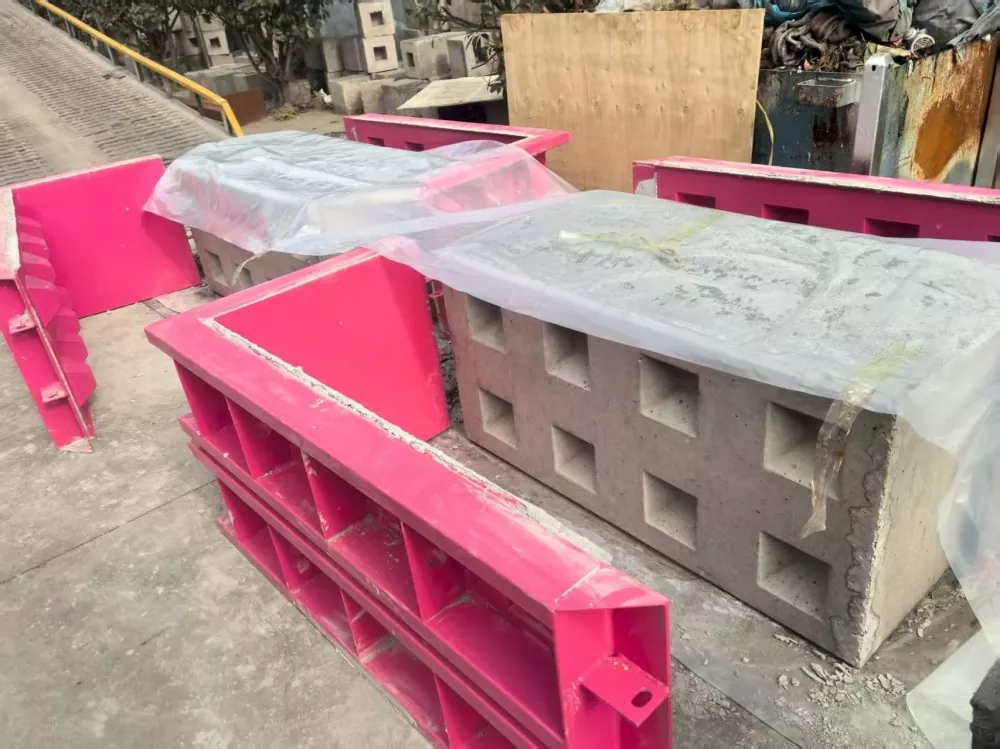
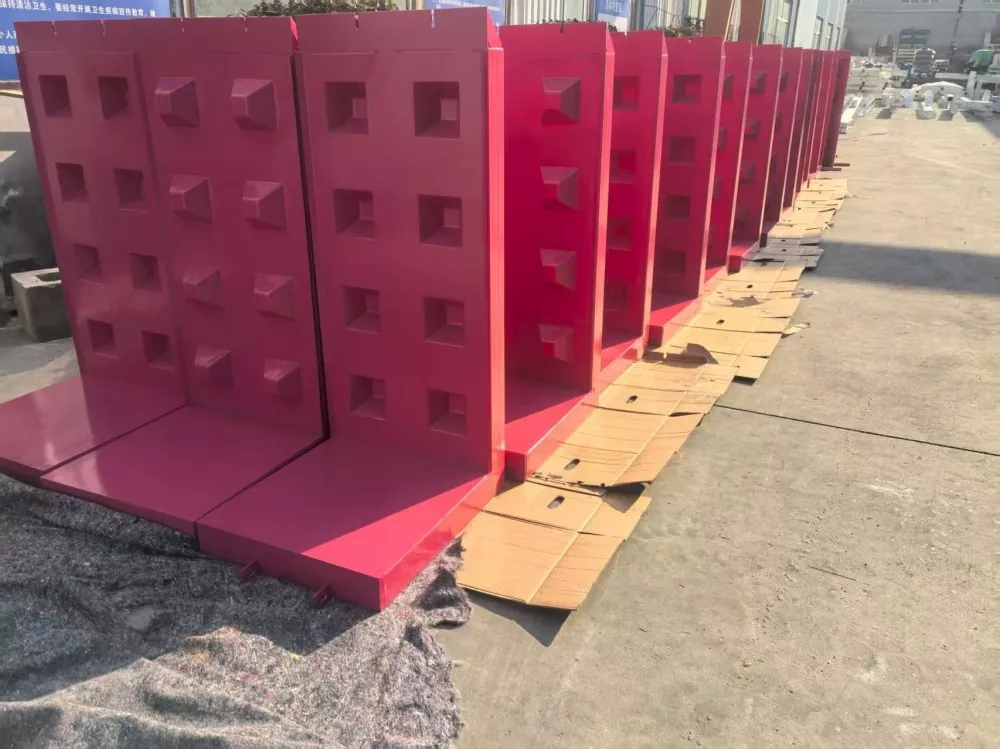
International steel procurement involves technical communication as well as manufacturing and logistics coordination. LWY Steel Structure is based in Qingdao, Shandong Province, China, with Qingdao Port approximately 36 kilometers away according to the company's published information.
The company has exported its products to more than 50 countries and regions and provides international contact channels for project inquiries. Customers can provide drawings, dimensions, quantities and application requirements for technical discussion before production.
For projects involving customized steel formwork, discussing the actual concrete component and construction process in advance allows the formwork structure, connections and support requirements to be considered together. This is especially important when the project involves large panels, special dimensions or mechanical handling.
A1. Liweiyuan steel formwork is intended for concrete forming applications where dimensional accuracy, strength, rigidity and stability are important. The published information specifically discusses beam and slab formwork and concrete component production. The final configuration should be selected according to the actual project drawings and construction conditions.
A2. The design considers material selection, cross-sectional dimensions, strength, stiffness and the supporting structure. These factors are evaluated according to the size and shape of the concrete component and the construction process. The support system is also configured to address horizontal and vertical loads that may occur during construction.
A3. The product information describes flat splicing and tongue-and-groove splicing as common options. Bolts and snap-fit connections are also described for joining formwork sections. The appropriate connection method depends on the specific structure, installation process and project requirements.
A4. Yes. Liweiyuan's published product information states that large formwork can be used with electric motors to improve handling efficiency. The actual mechanical handling method should be determined according to the dimensions, weight, configuration and site conditions of the formwork assembly.
A5. Useful information includes concrete component drawings or dimensions, casting method, required quantity, support conditions and connection requirements. If the project involves large formwork or mechanical handling, those requirements should also be provided. Complete technical information helps the manufacturer evaluate the configuration more accurately.
A6. LWY Steel Structure was established in 2003 and states that it has 200 employees, including 20 engineering technicians, 50 construction workers and 30 management staff. The company also reports annual steel component processing capacity of more than 20,000 tons and lists CNC, laser cutting, drilling, welding, shot blasting and other production equipment.
A7. Yes. The company states that its steel products have been exported to more than 50 countries and regions. Its Qingdao location also provides access to Qingdao Port, approximately 36 kilometers away according to the company profile. International customers can provide project requirements for further technical and commercial communication.