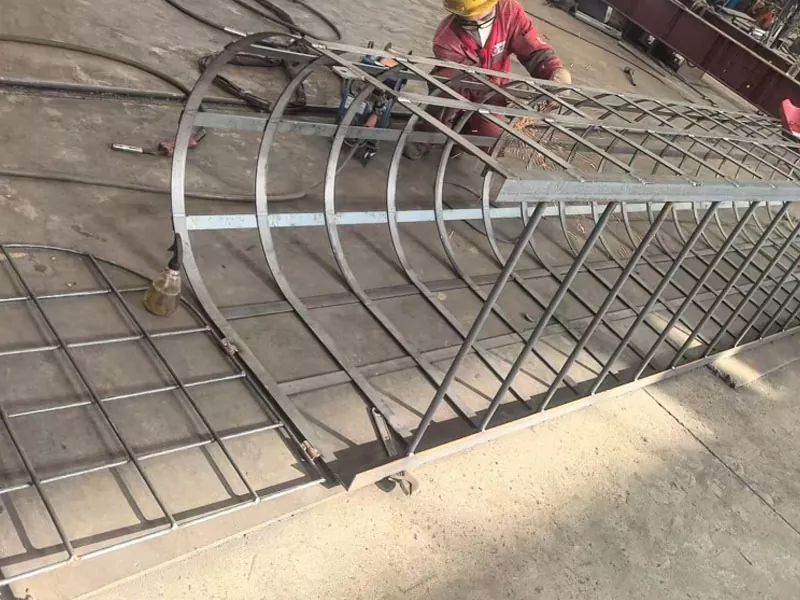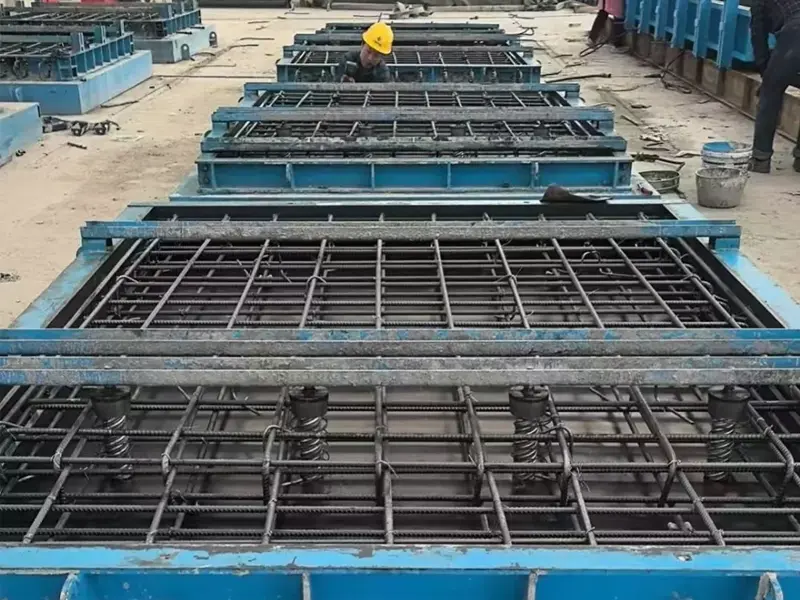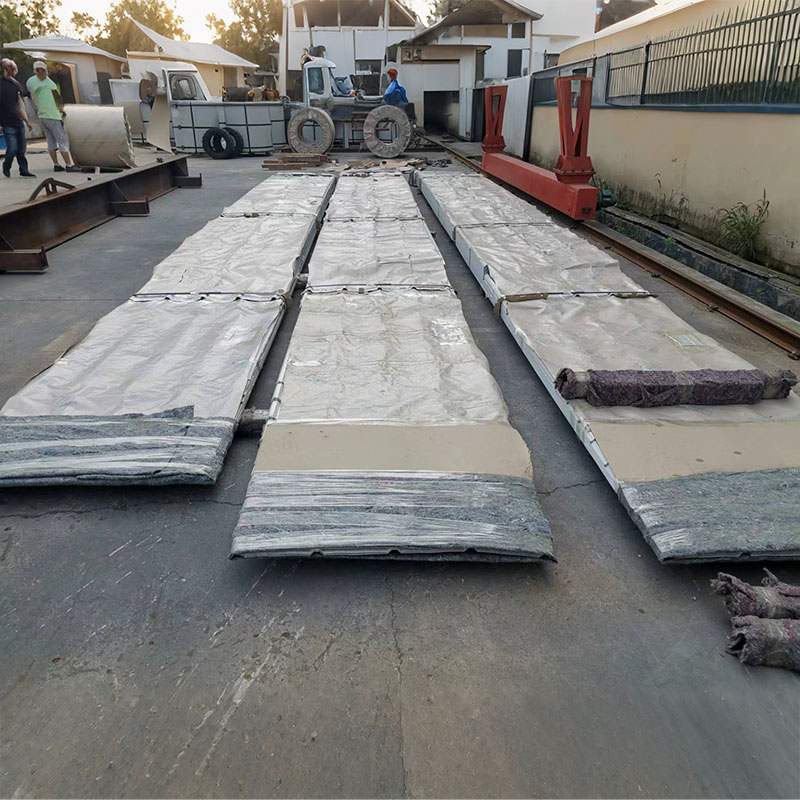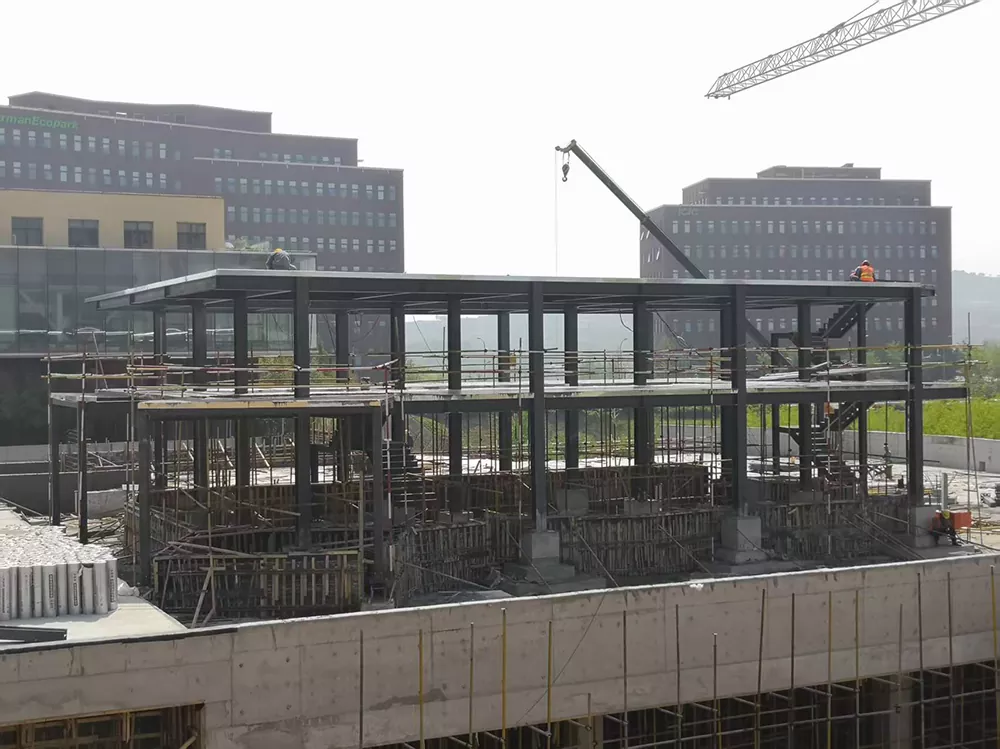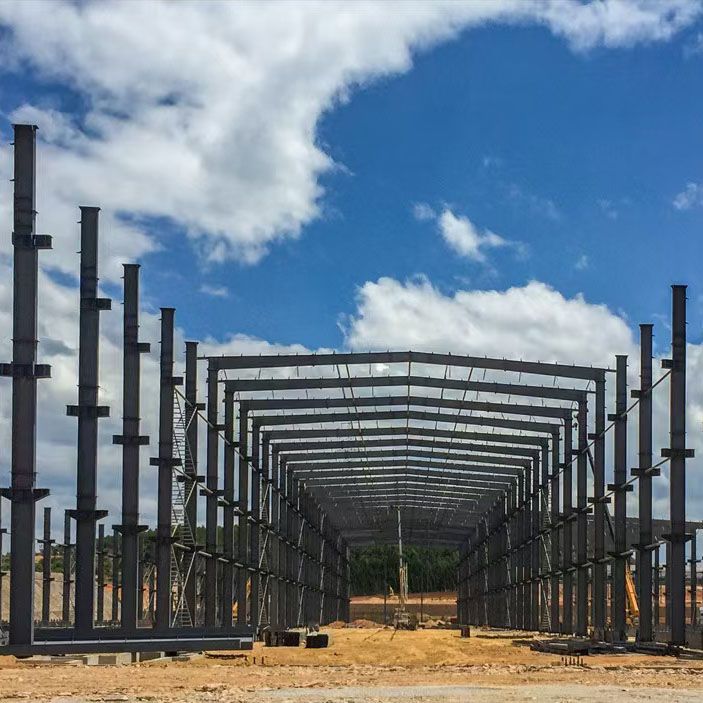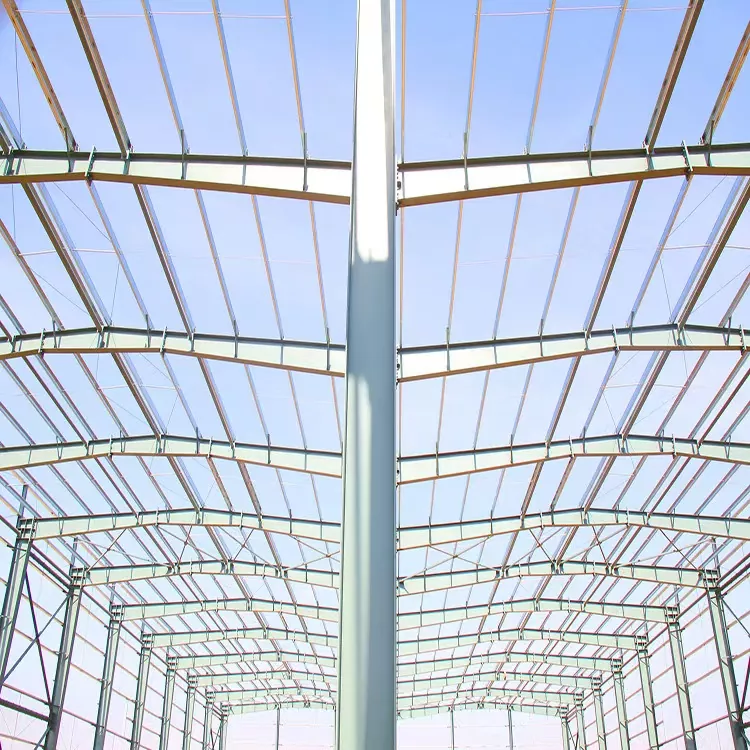
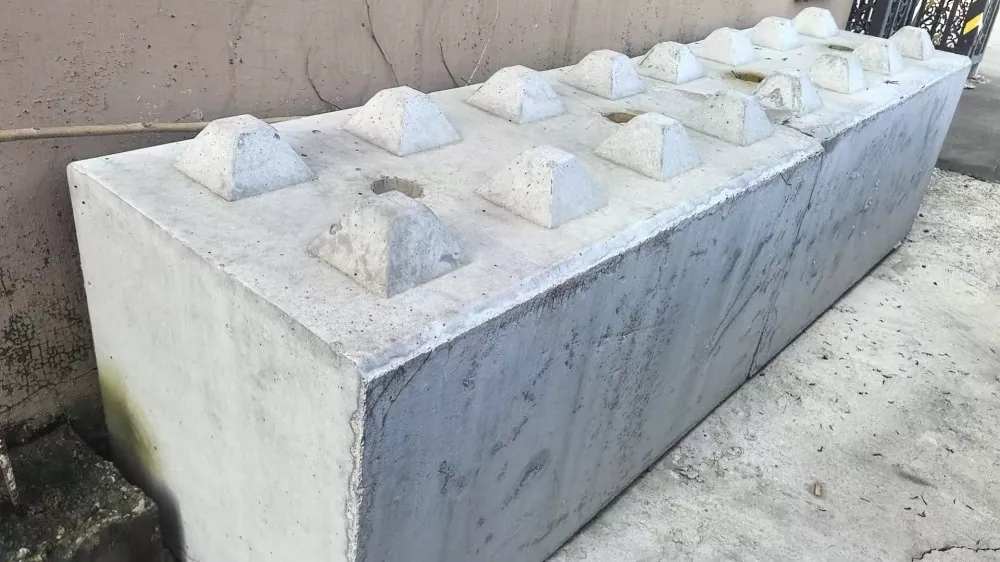
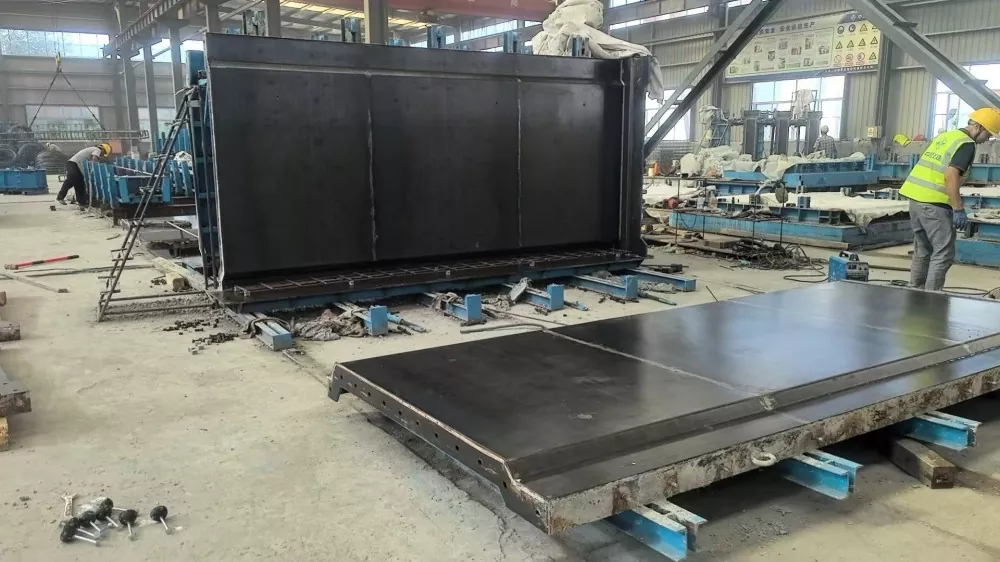
Steel Concrete Formwork with Easy Assembly Design is a reusable steel forming system for concrete construction and component production. Manufactured by LWY Steel Structure, it is made from steel plates and steel sections to provide a rigid forming structure with controlled dimensions. For beam and slab applications, the dimensional tolerance is generally no more than ±5mm. The system is designed around practical panel connections, repeated installation and removal, and the forming requirements of different concrete components.
Unlike temporary forming solutions that often require extensive cutting or adjustment at the construction site, factory-made steel panels provide a more consistent starting point for assembly. The final panel arrangement can be developed according to the concrete component, casting process and required forming dimensions.
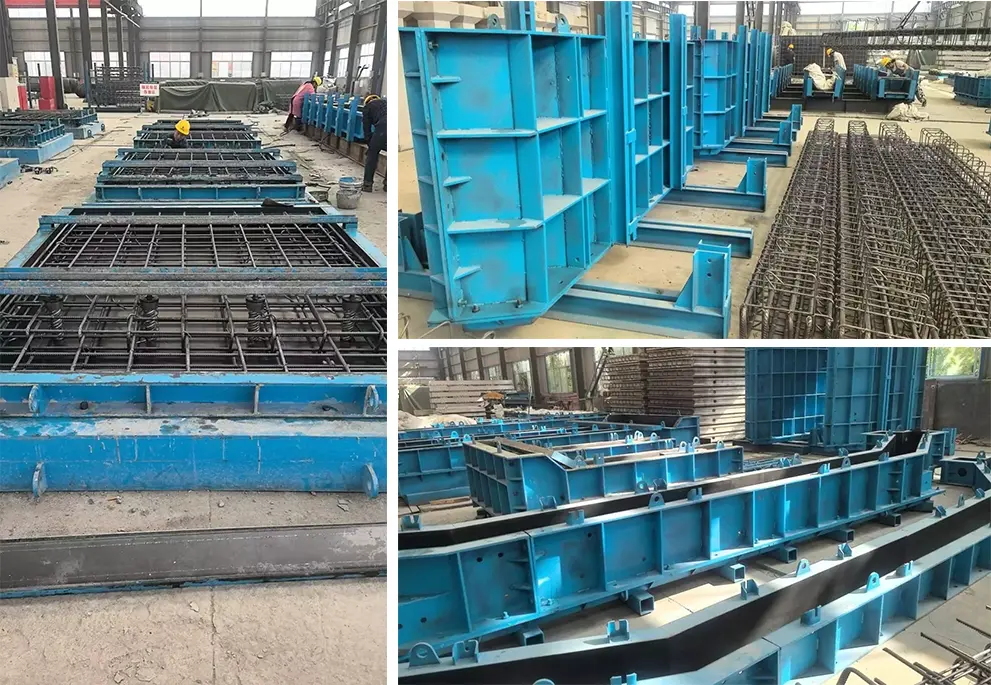
Beam and slab formwork dimensions are generally controlled within ±5mm, providing a defined basis for concrete component forming.
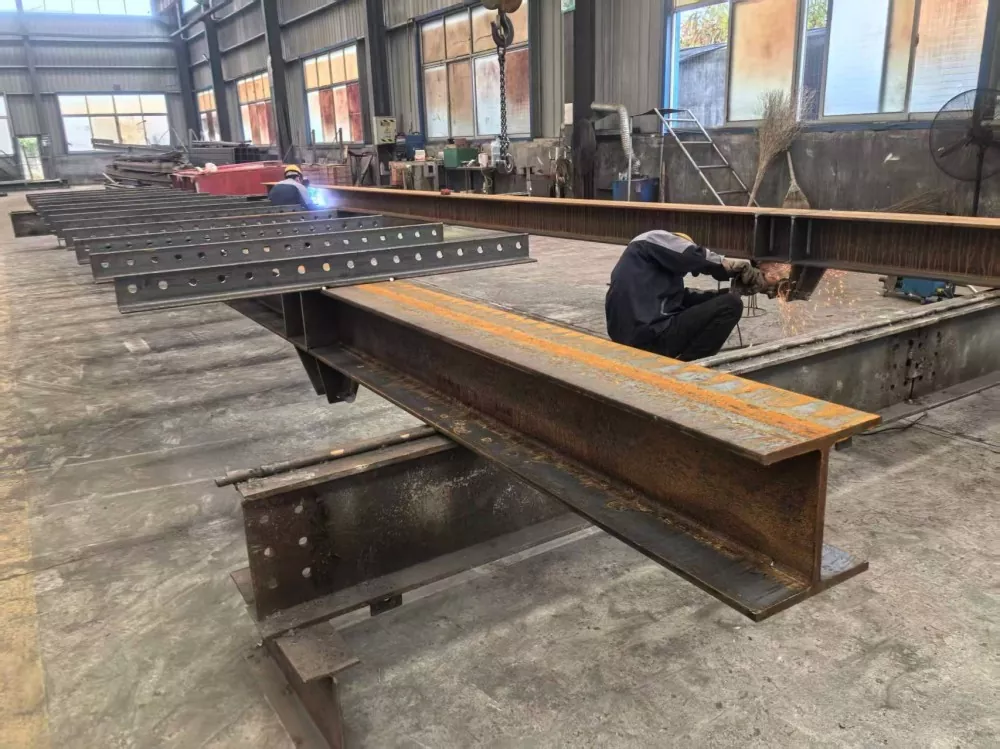
Steel plates and sections provide strength and rigidity for concrete forming work and repeated use.
Flat splicing, tongue-and-groove splicing, bolts and snap-fit connections can be selected according to the formwork arrangement.
The panels can be installed, removed and prepared for subsequent concrete forming cycles.
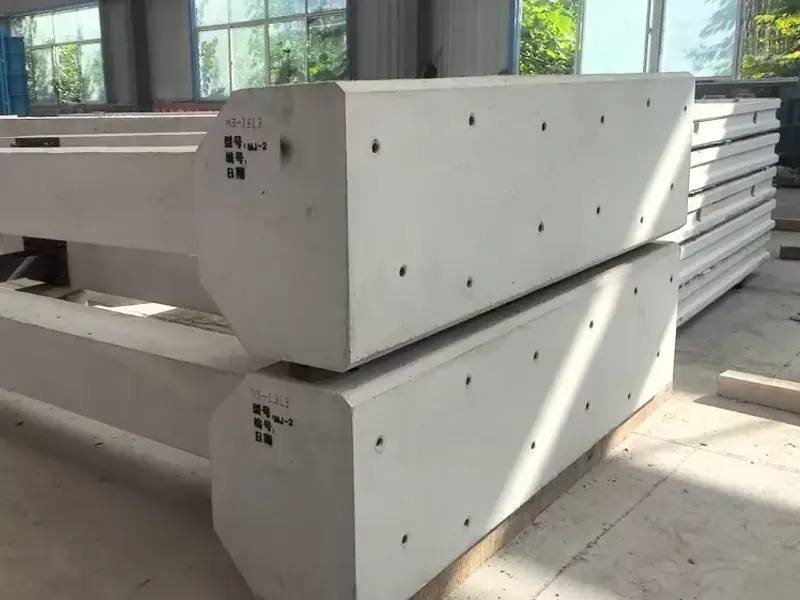
Formwork dimensions are developed according to the required concrete component. For beam and slab formwork, length, width and height tolerances are generally no more than ±5mm. This helps provide a consistent forming reference during panel assembly and concrete casting.
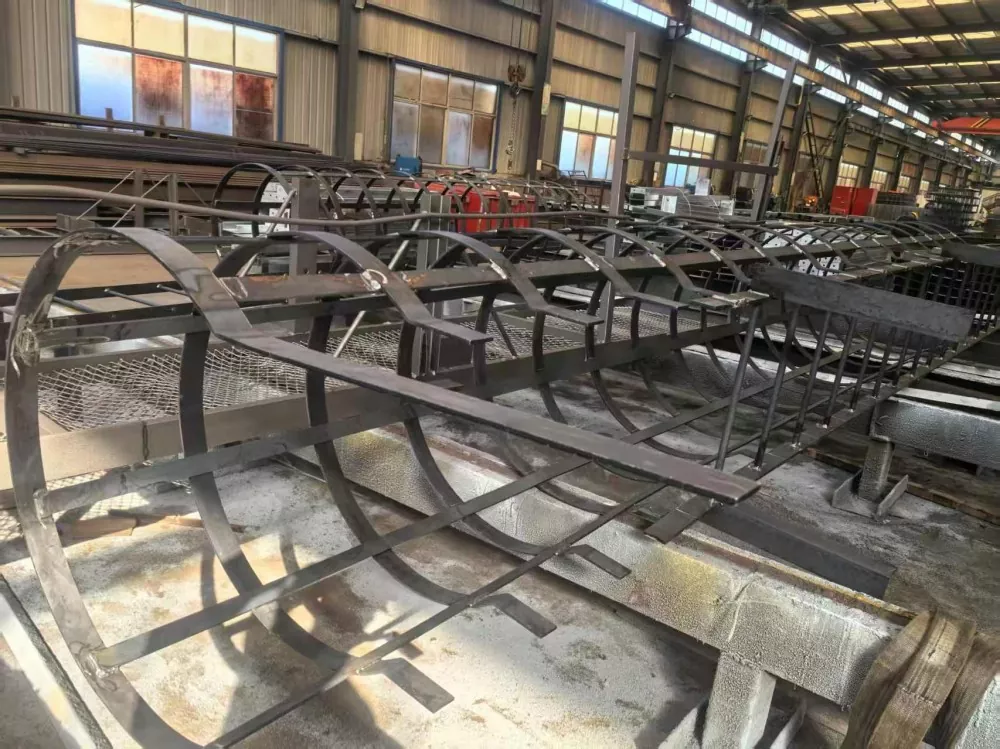
The steel structure is designed according to the size and shape of the concrete component and the construction process. Material selection and cross-sectional dimensions are considered during design, while strength and stiffness calculations are used to address concrete weight and construction loads.
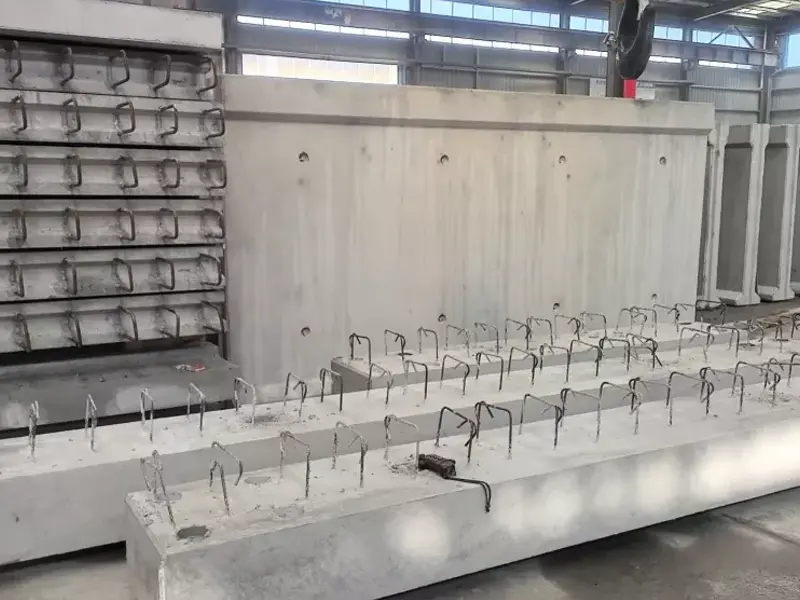
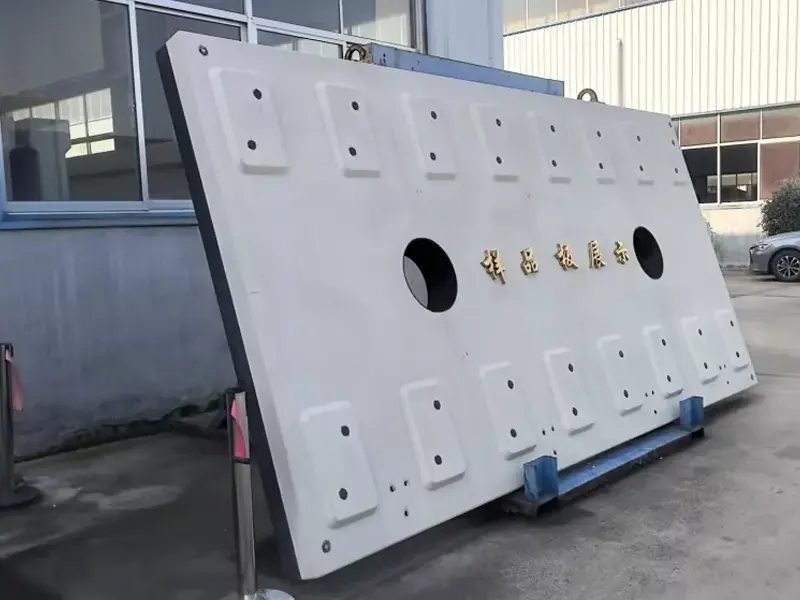
Panel stability depends on the formwork structure and supporting arrangement. Support spacing, height and connection conditions can be configured according to the application to help the assembled system resist horizontal and vertical loads during construction.
Flat splicing and tongue-and-groove splicing provide different ways to arrange adjoining panels. Bolts and snap-fit connections can be used according to the formwork configuration. Properly connected joints help minimize concrete leakage and make later panel removal more convenient.
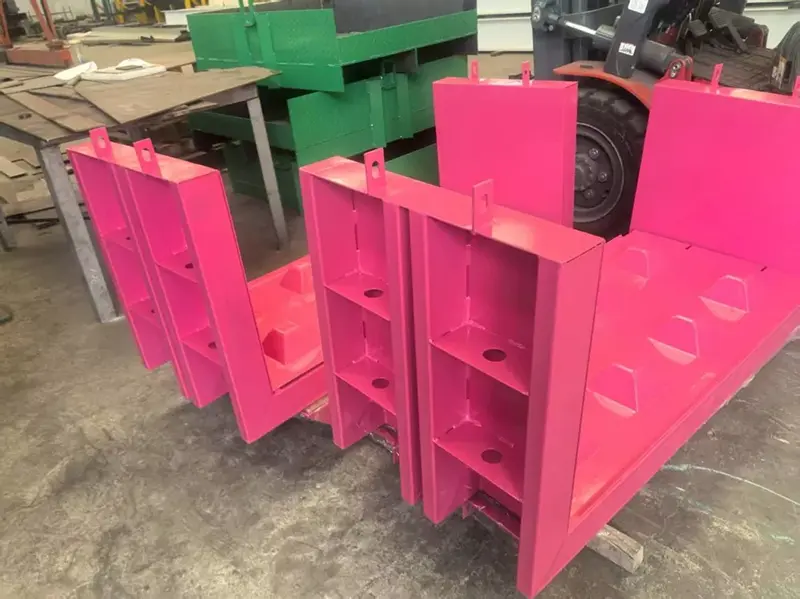
The forming system is organized around panel positioning, connection and removal rather than temporary site fabrication.
Place the panels according to the dimensions and geometry of the concrete component.
Use flat splicing or tongue-and-groove splicing according to the selected formwork configuration.
Bolts or snap-fit connections can be used to secure the adjoining panels and maintain their position.
After the assembled structure has been checked, concrete can be poured according to the construction procedure.
After the required forming stage, the panels can be separated and prepared for another casting cycle.
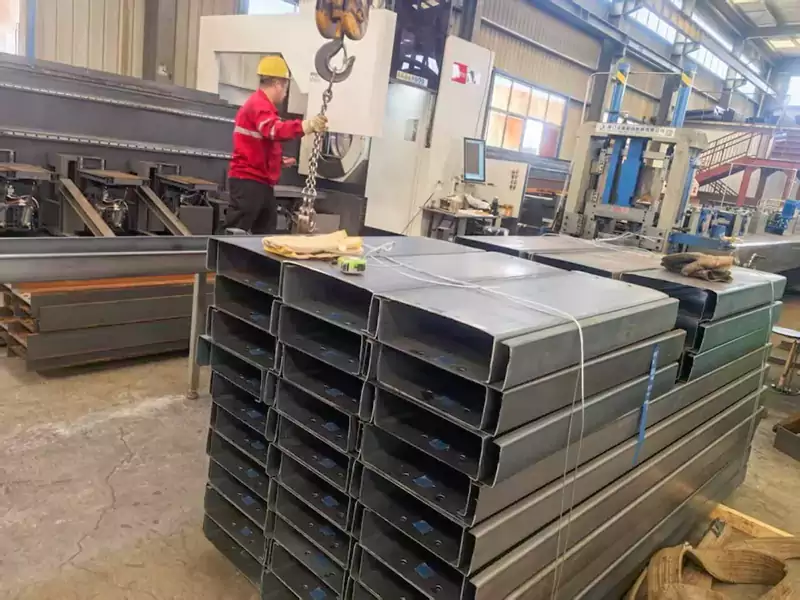
For large formwork assemblies, electric motor handling can also be considered to improve movement efficiency.
The technical configuration is determined according to the concrete component and construction process. The following information summarizes the main characteristics available from the supplied product data.
| Item | Specification / Information |
|---|---|
| Material | Steel plates and steel sections |
| Dimensional Tolerance | Generally no more than ±5mm for beam and slab formwork |
| Splicing | Flat splicing and tongue-and-groove splicing |
| Connection | Bolts and snap-fit connections |
| Structural Design | Strength and stiffness calculations according to project requirements |
| Forming Surface | Smooth steel surface |
| Reuse | Suitable for repeated forming applications |
| Large Formwork | Electric motor handling can be considered |
Steel Concrete Formwork with Easy Assembly Design can be configured for different concrete forming requirements. The suitable structure depends on the component geometry, production method and expected reuse.
Used where concrete dimensions need to be controlled according to engineering drawings and construction requirements.
Suitable for repeated production of standardized concrete components where reusable forming equipment is required.
Can be configured around standardized concrete components used in modular building projects.
Provides a reusable forming structure for projects producing similar components through multiple casting cycles.
The choice of forming material should consider dimensional requirements, installation work, expected reuse and site conditions. The following comparison focuses on the practical differences that can affect a project.
| Factor | Steel Concrete Formwork | Wood Formwork | General Metal Formwork |
|---|---|---|---|
| Dimensional Consistency | Factory fabrication supports controlled panel dimensions | May require cutting and adjustment at the site | Depends on manufacturing accuracy |
| Structural Rigidity | Steel construction provides high strength and rigidity | Depends on timber condition and supporting arrangement | Depends on material and structural design |
| Connection | Defined panel splicing and fastening options | Often requires site fastening | Depends on the specific system |
| Repeated Use | Suitable for repeated forming cycles | Depends on material condition | Depends on product construction |
| Surface | Smooth steel forming surface | Surface condition changes with use | Depends on surface treatment |
| Typical Application | Precast, repeated casting and standardized components | Flexible site-based forming | Depends on system design |
Formwork accuracy is affected by cutting, drilling, welding, dimensional inspection and final assembly. LWY Steel Structure has been engaged in steel structure design, research and development and manufacturing since 2003.
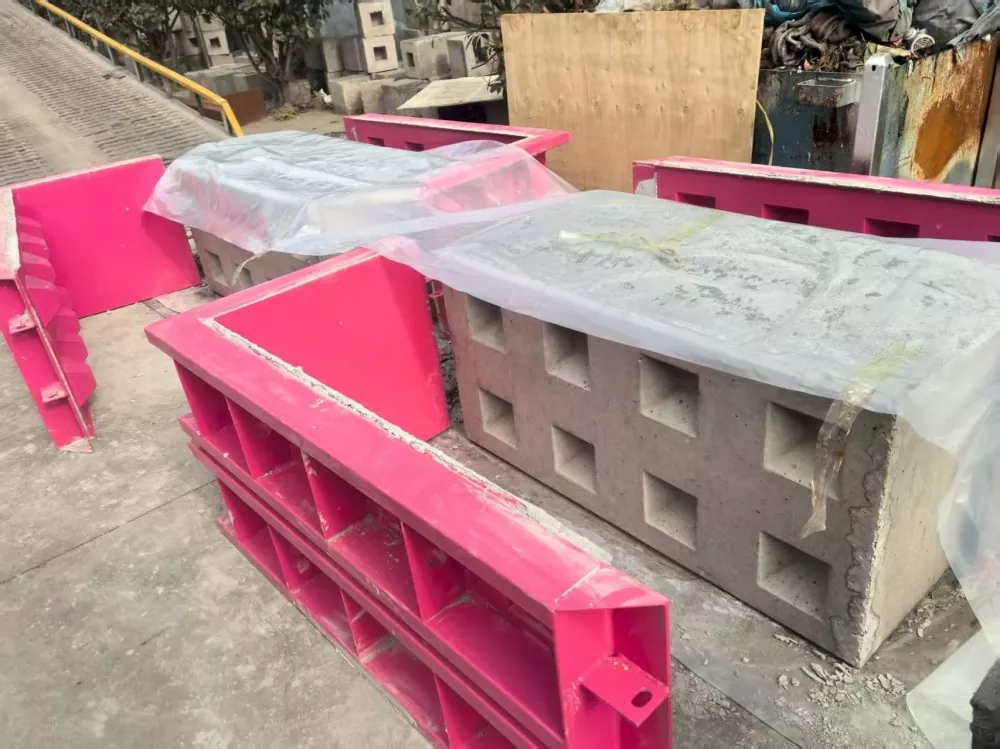
The company has 200 employees, including 20 engineering technicians, 50 construction workers and 30 management staff. Its stated annual steel component processing capacity exceeds 20,000 tons.
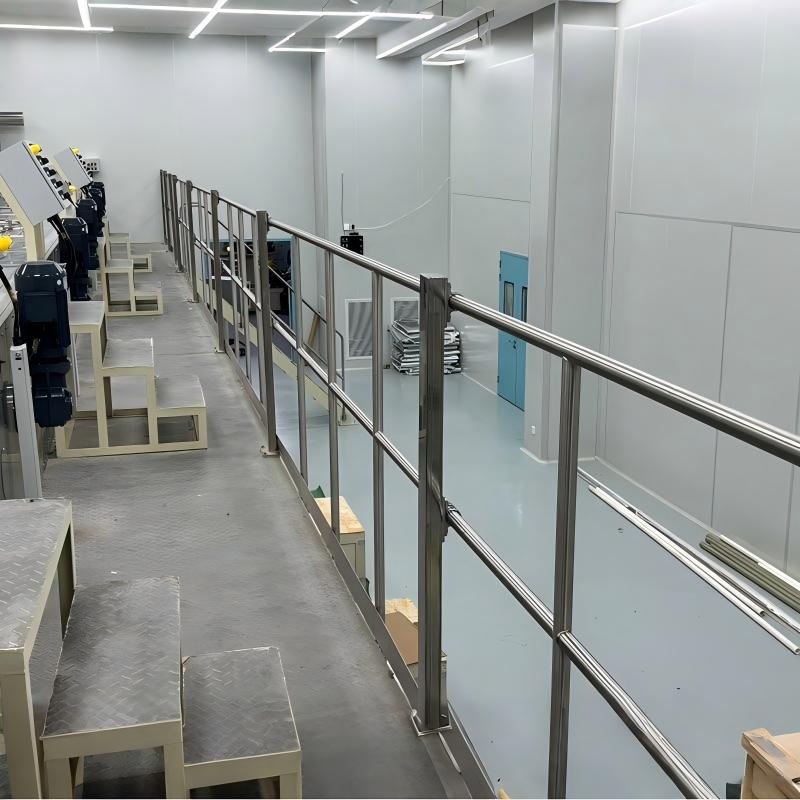
Production resources include CNC machining equipment, laser cutting equipment, drilling machines, automatic welding equipment, straightening machines and surface treatment equipment.
Project drawings can be reviewed before manufacturing to confirm panel dimensions, connection details and the required forming arrangement. Inspection requirements can also be discussed according to the actual project.
LWY Steel Structure states that its products are supplied to more than 50 countries and regions.
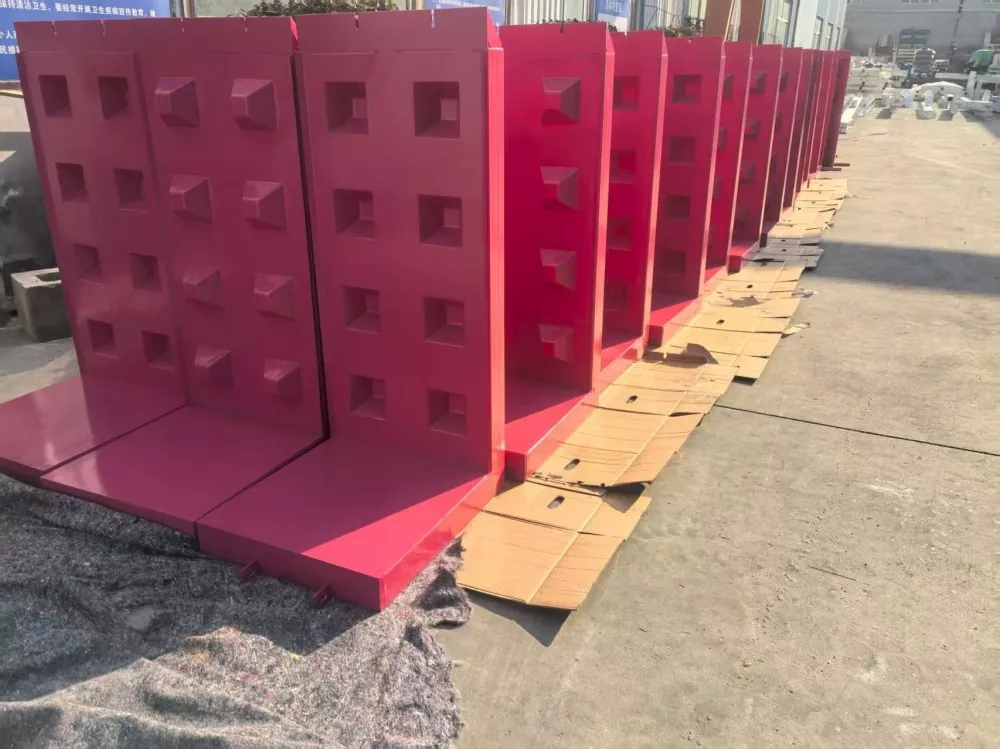
Provide concrete component drawings or complete dimensional information.
Confirm quantity, casting method, production frequency and working conditions.
Determine panel arrangement, support conditions and connection methods.
Review the final technical drawings before fabrication begins.
Fabricate the steel panels and related components according to the confirmed requirements.
Arrange delivery and provide relevant construction information according to the order.
The published company information indicates that delivery is generally within 30 days after payment, depending on product size and order quantity.
Partial shipment can be discussed for large orders according to the project schedule and production arrangement.
Detailed construction drawings and manuals can be provided to assist with setup and installation.
According to the supplied company information, quality issues can receive a response within 24 hours, with a proposed solution generally provided within 48 hours.
Concrete component drawings or detailed dimensions are the main requirements. Quantity, casting method, connection requirements and support conditions should also be provided.
Flat splicing, tongue-and-groove splicing, bolted connections and snap-fit connections can be used according to the formwork configuration.
Yes. The Steel Concrete Formwork with Easy Assembly Design is suitable for repeated forming cycles. The actual reuse frequency depends on the concrete component, handling conditions and maintenance.
For beam and slab formwork, the supplied product information states that length, width and height tolerances are generally no more than ±5mm. Specific project requirements should be confirmed before manufacturing.
Yes. Electric motor handling can be considered for large formwork assemblies to improve movement efficiency. The actual handling method depends on the size and configuration of the project.
The published company information indicates that delivery is generally within 30 days after payment, depending on order size and quantity.
Yes. Construction drawings and manuals can be provided according to the project requirements to support setup and installation.