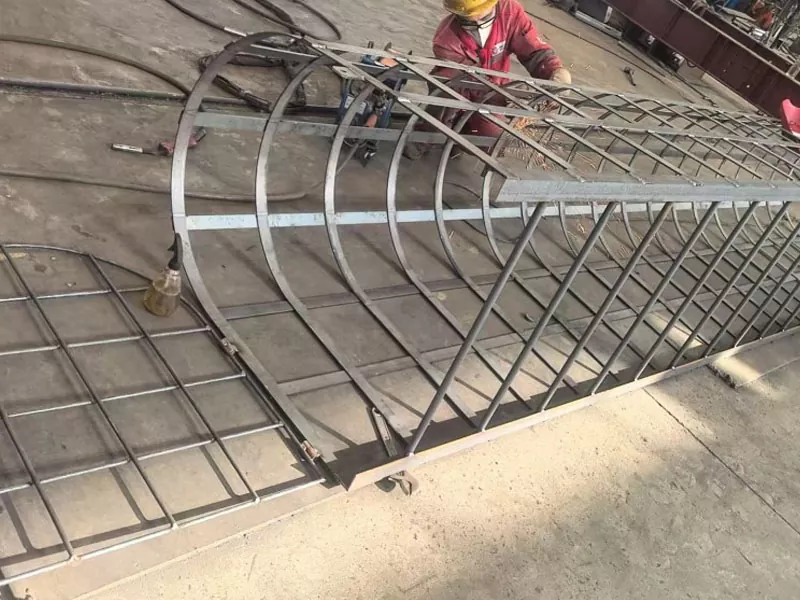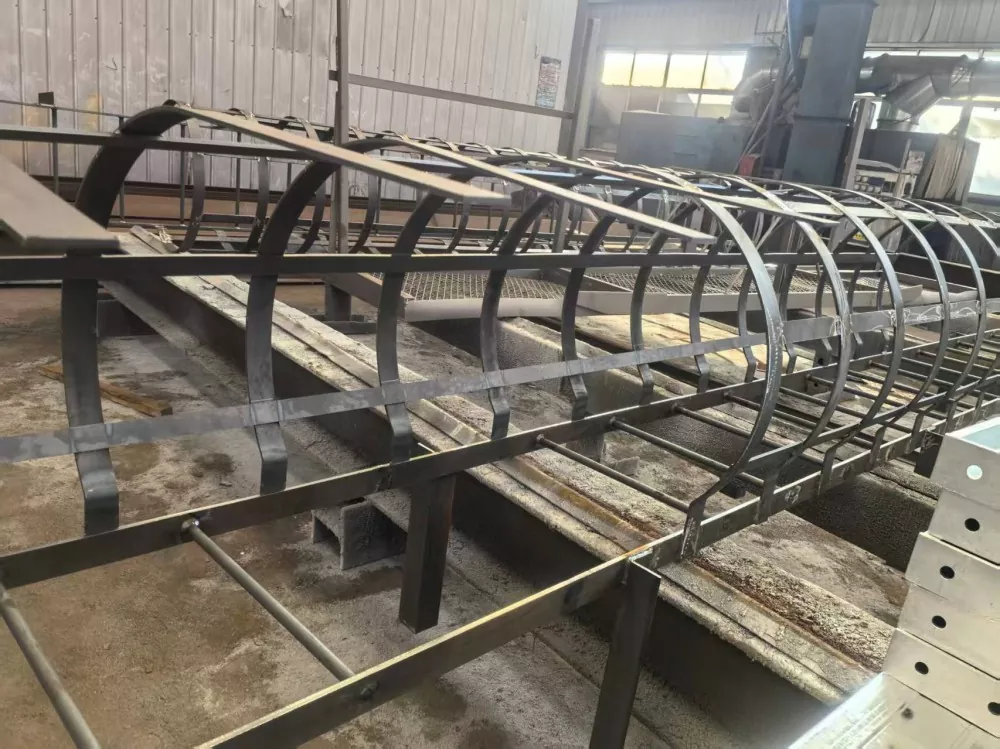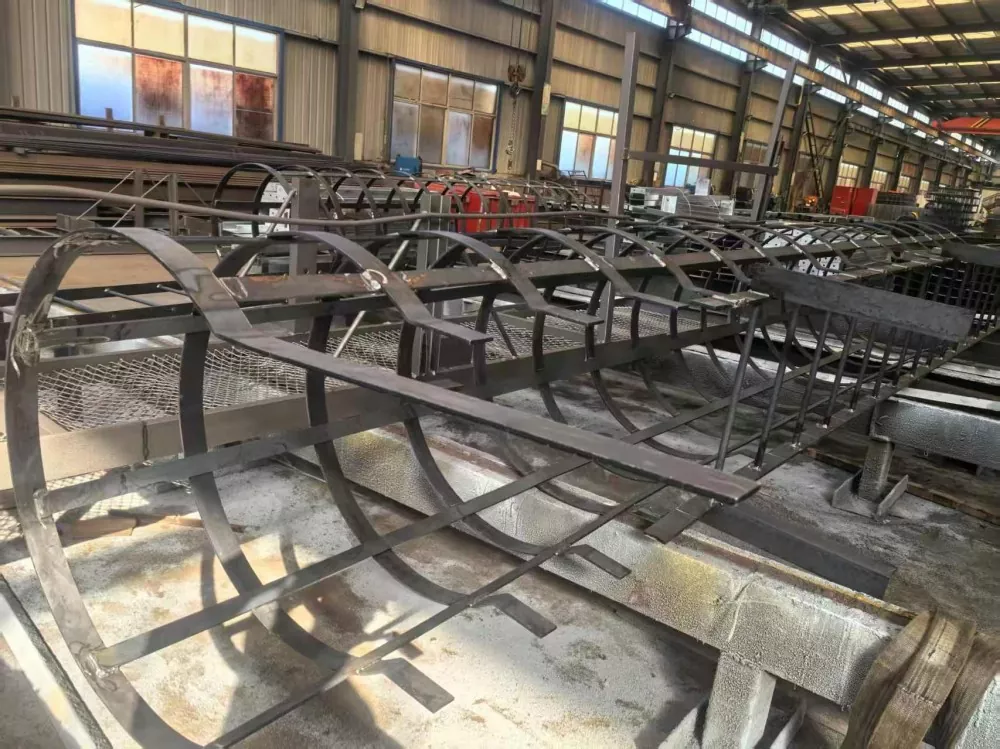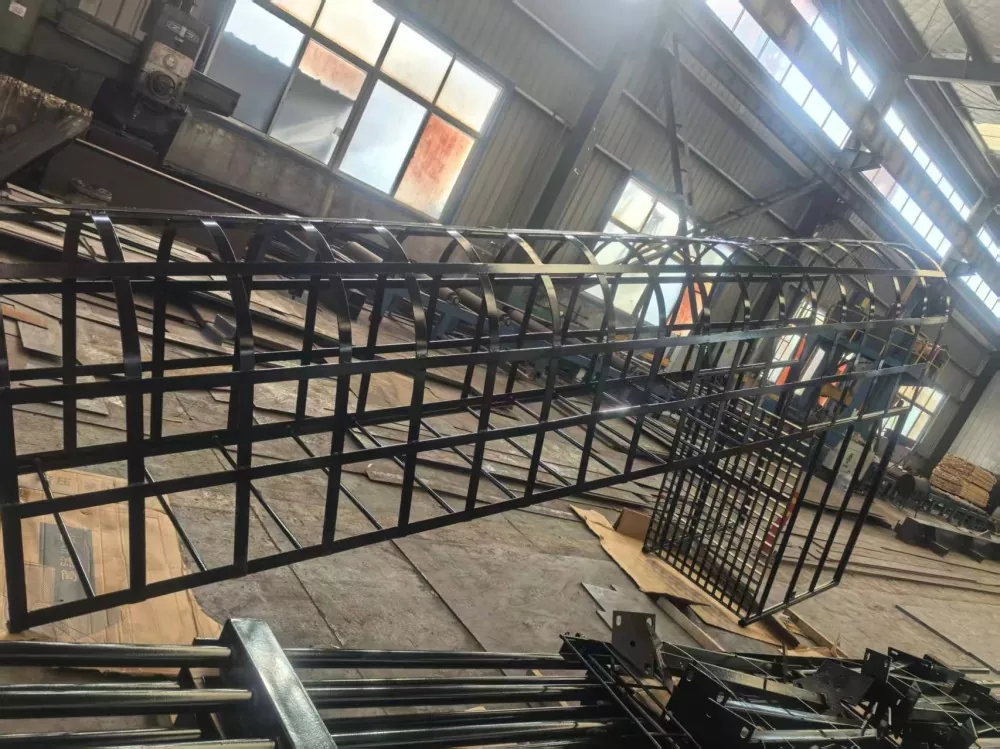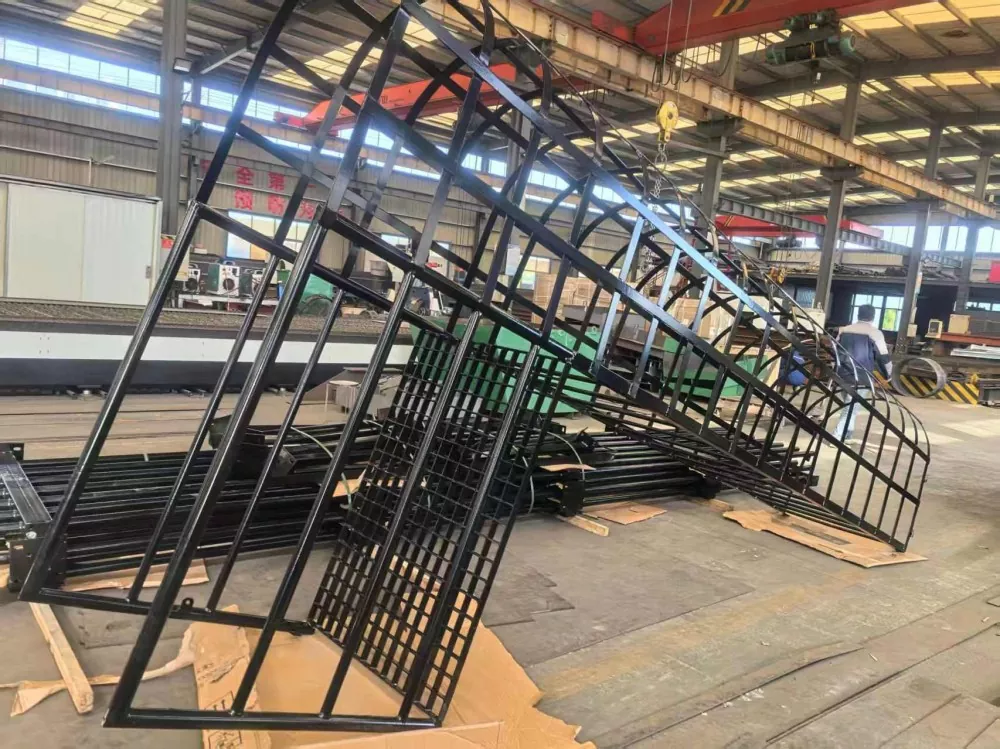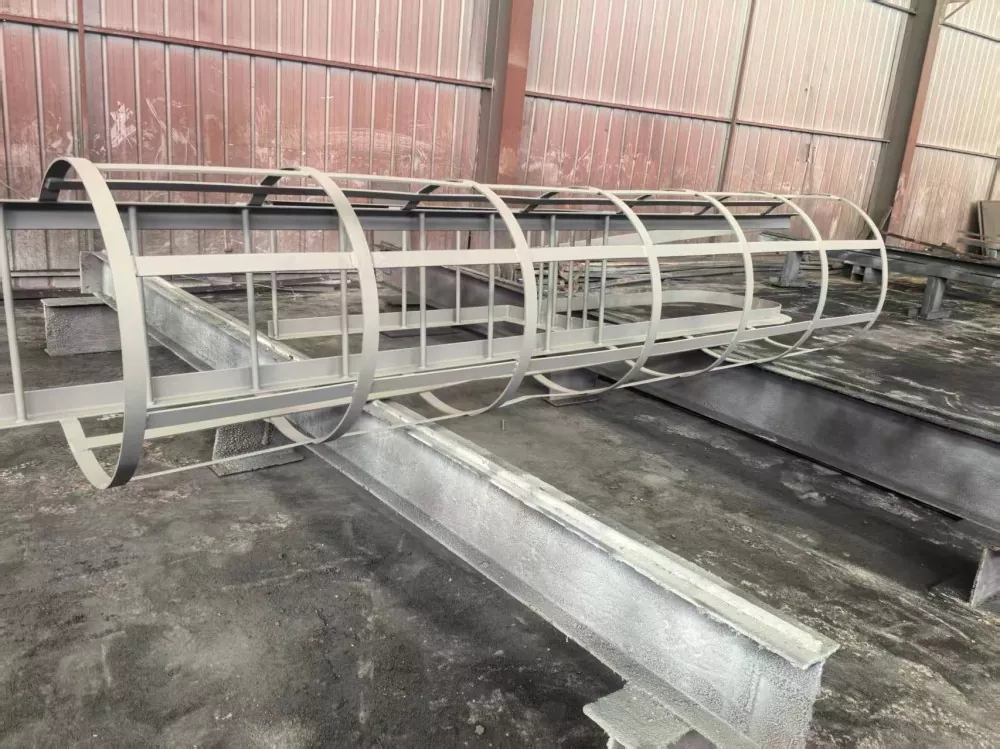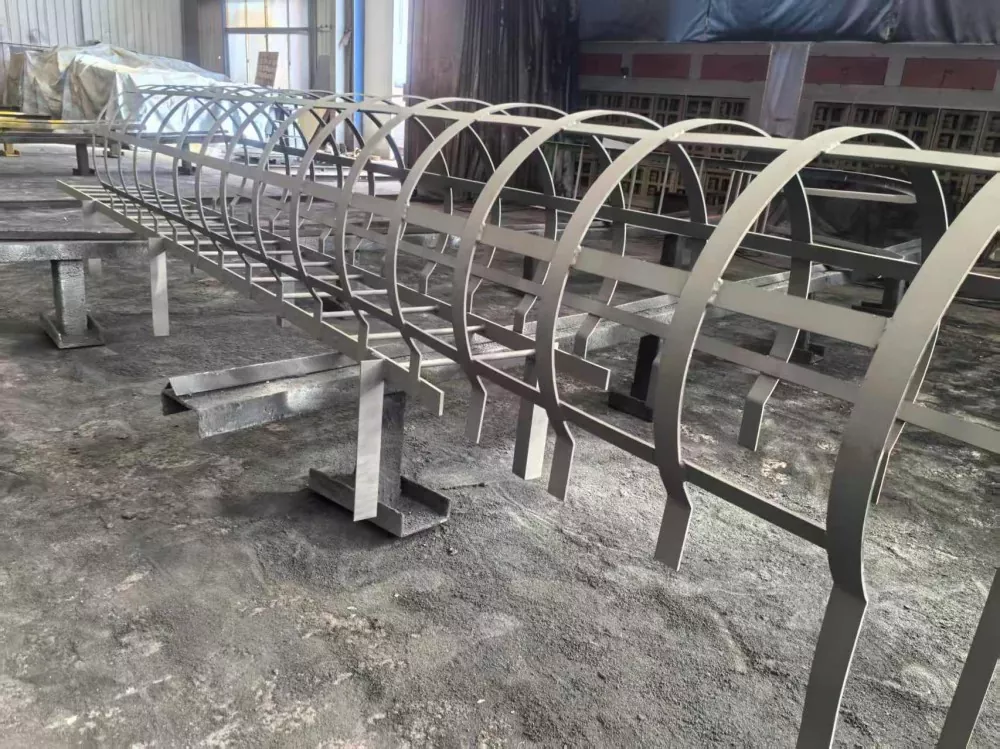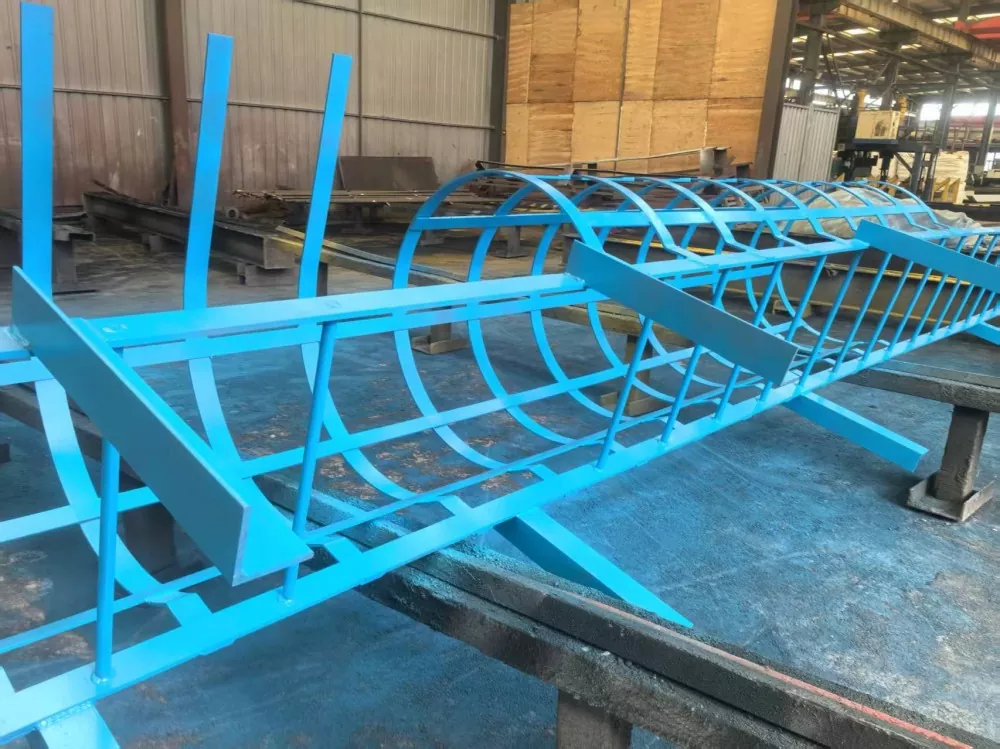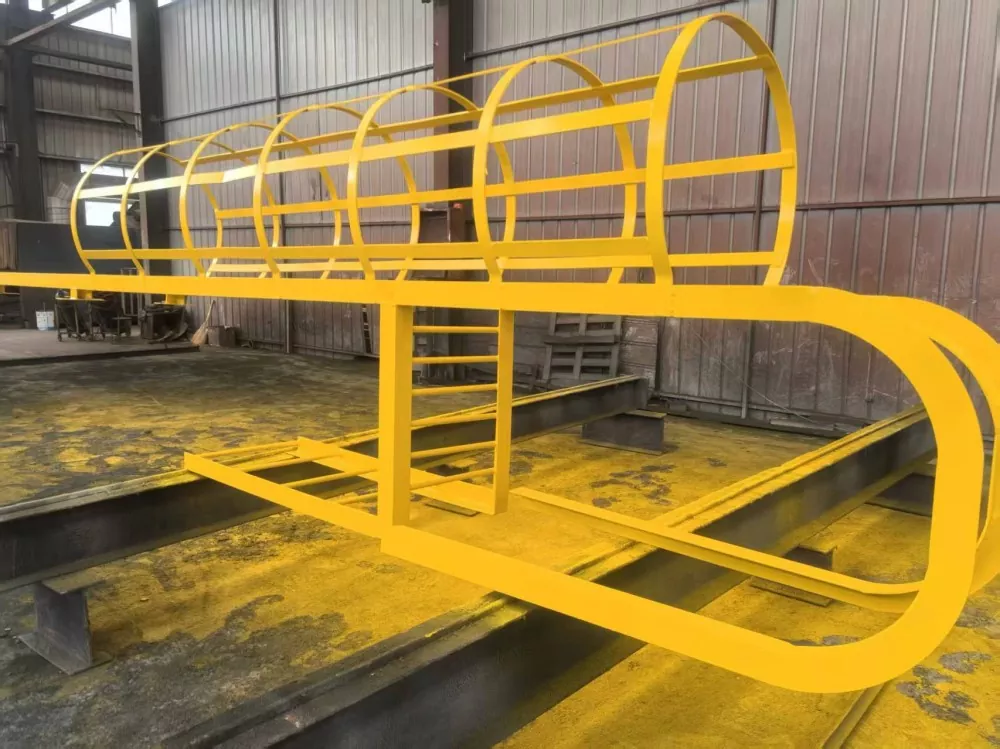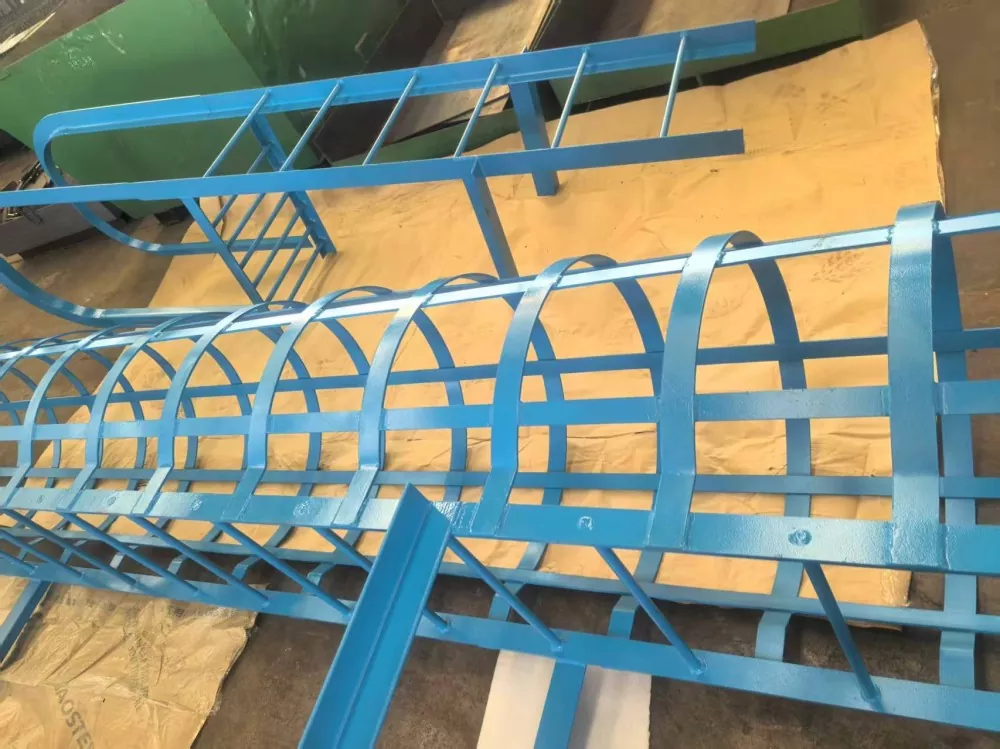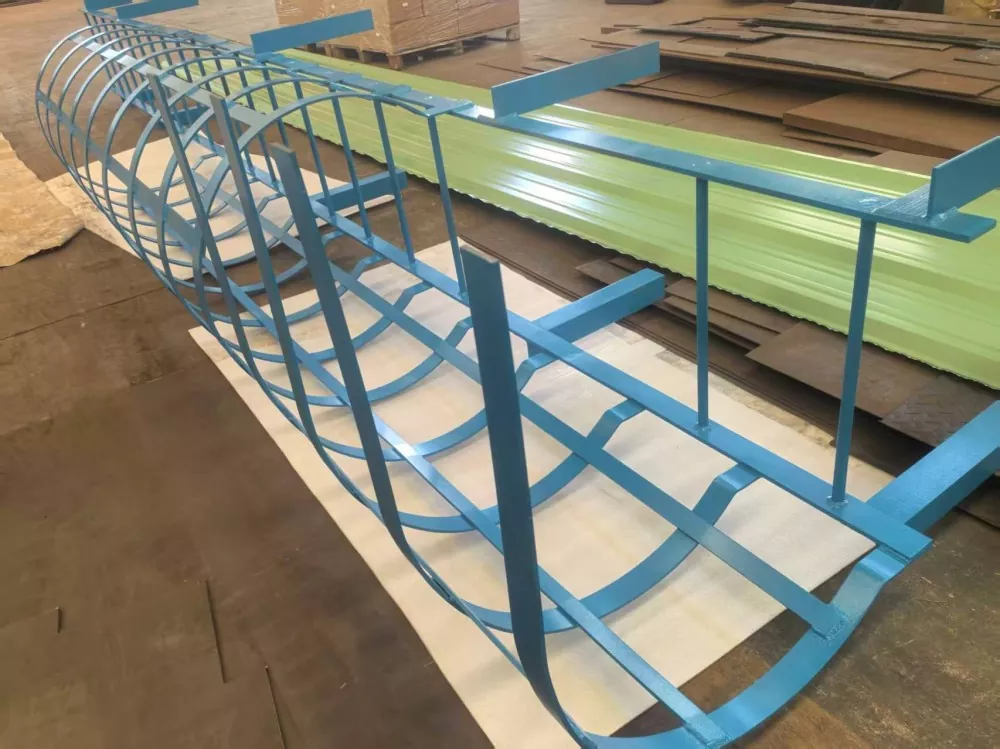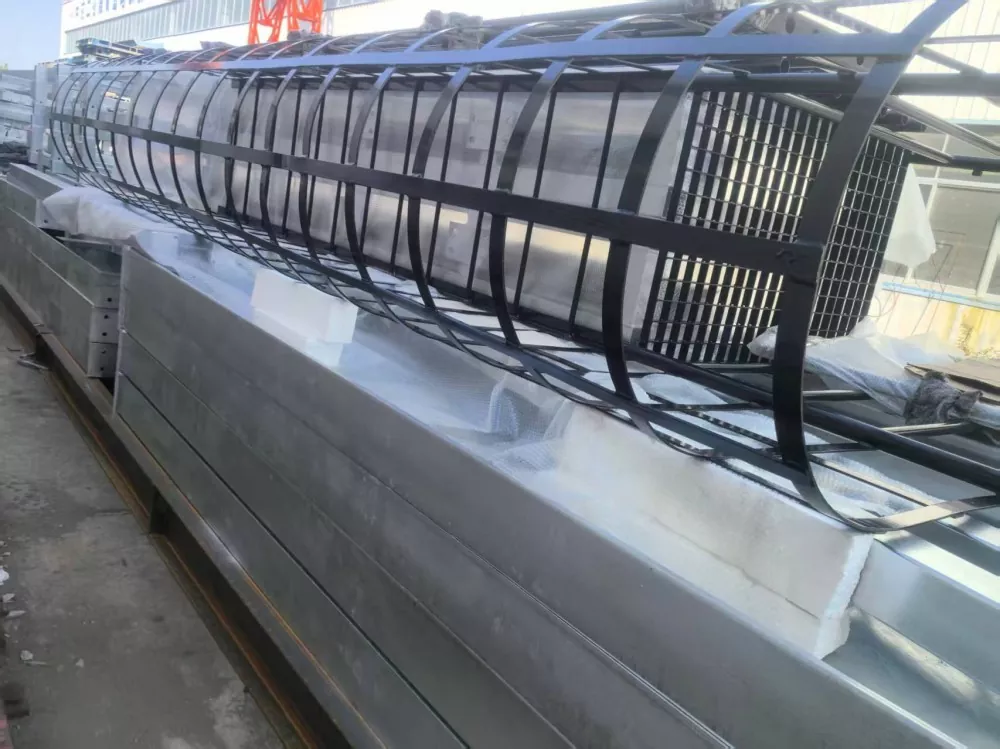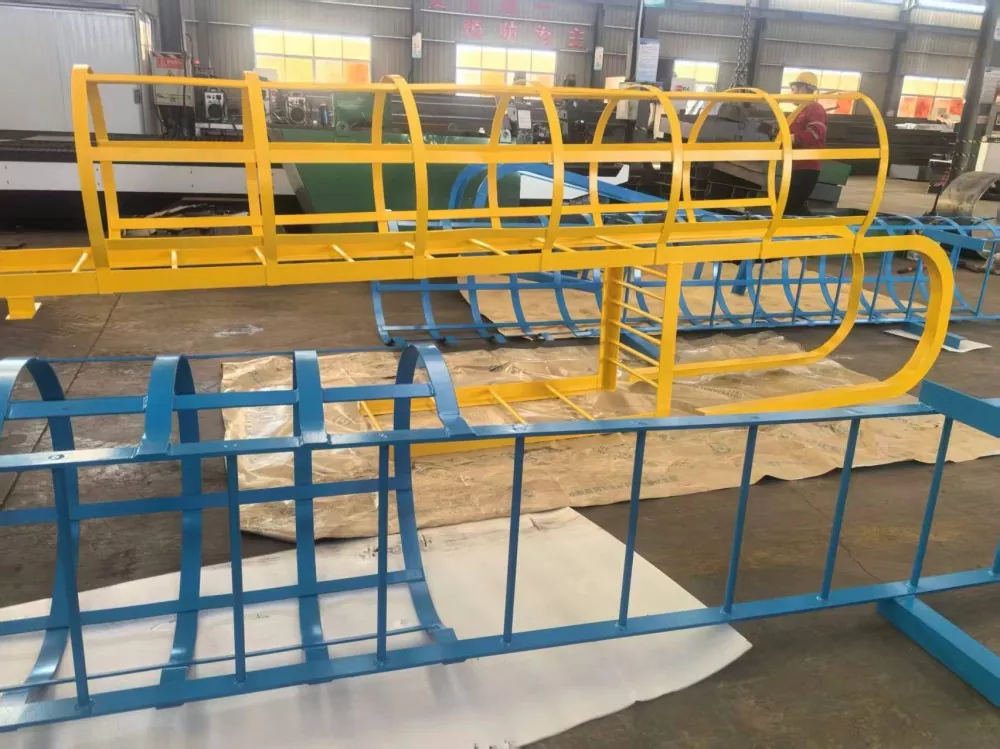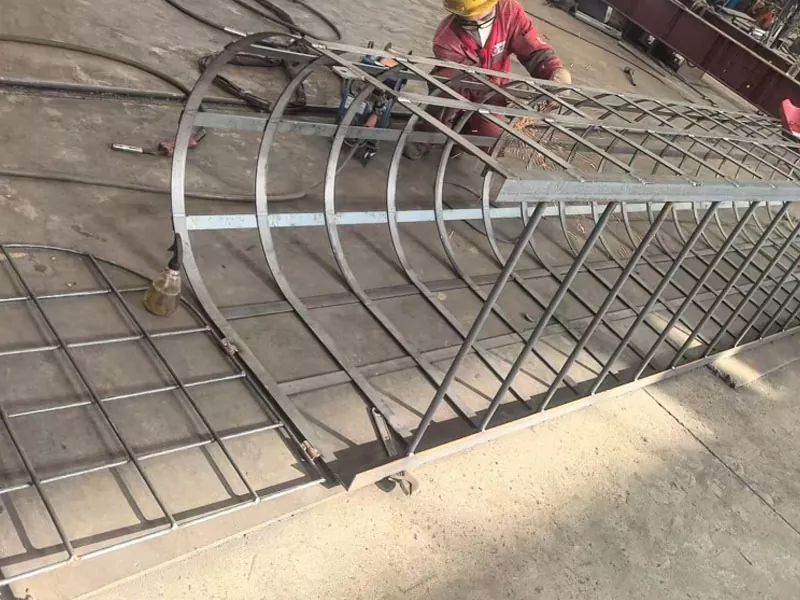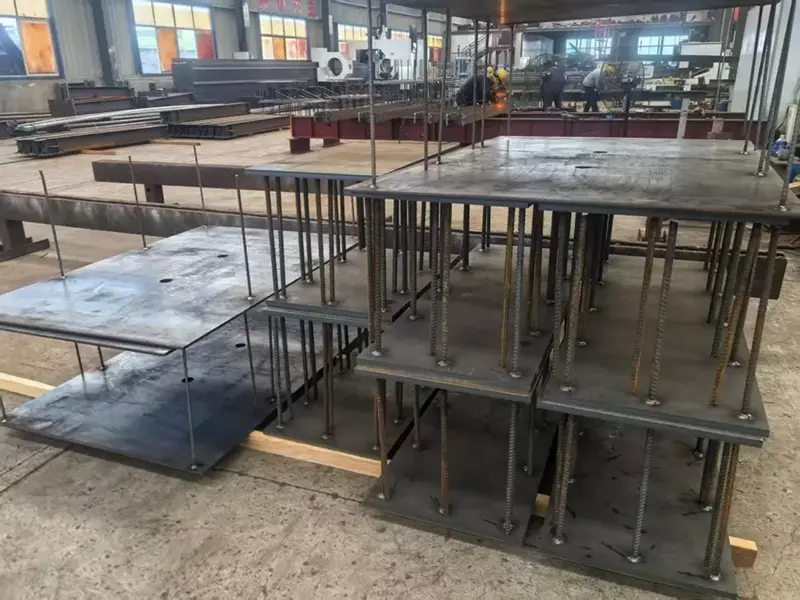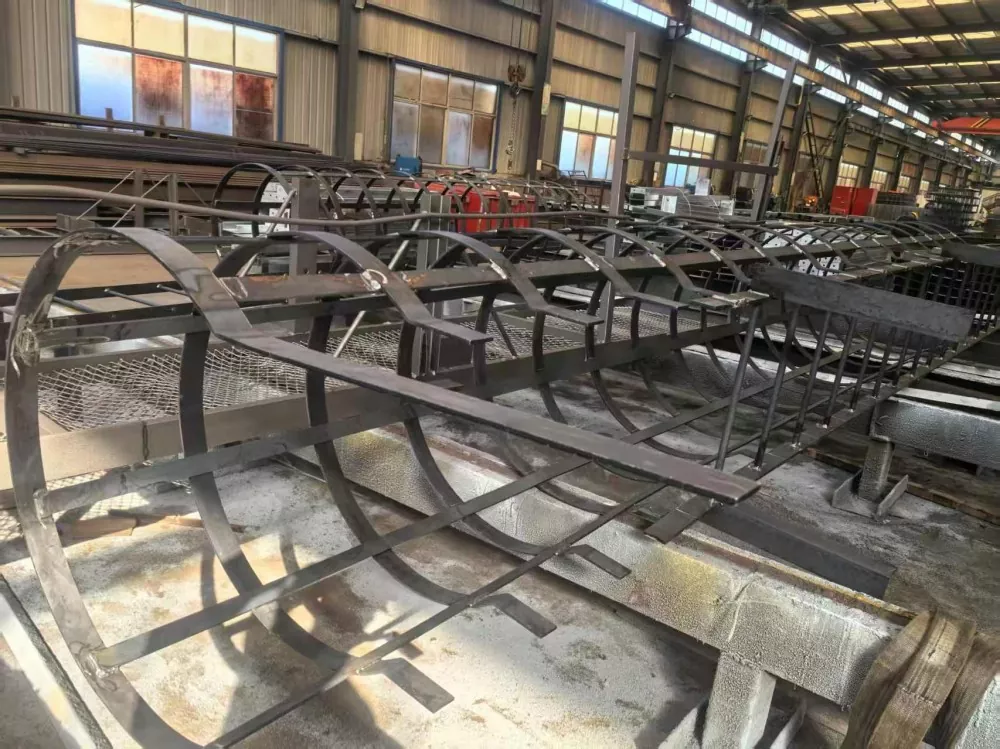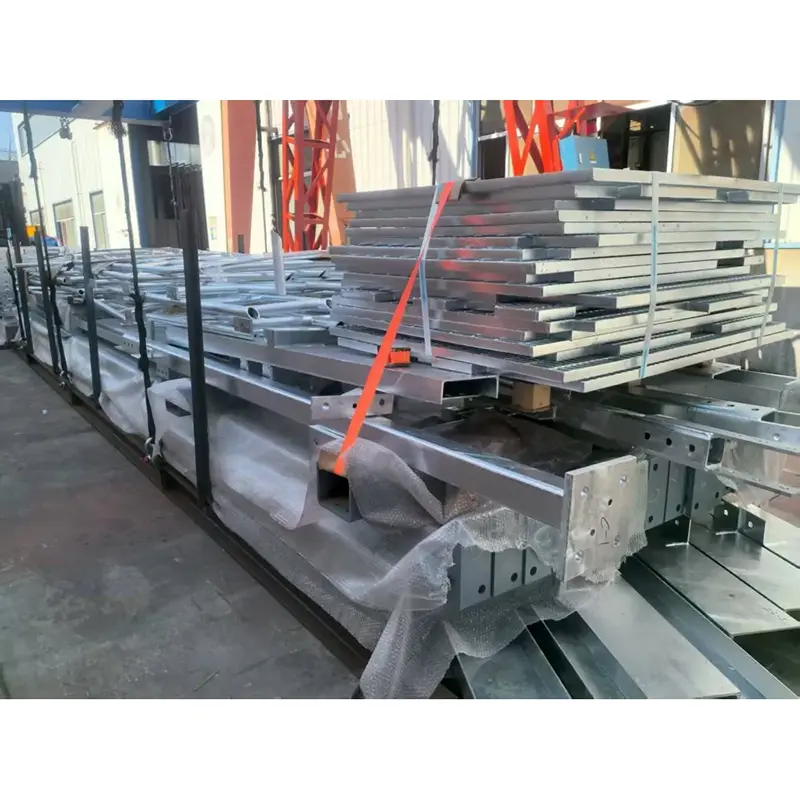
LWY Steel Structure, a professional China supplier, offers the Inclined Steel Ladder for Safe Climbing, a purpose‑built access solution that reduces fall risks through its angled design. With over 20,000 tons of annual steel processing capacity, LWY ensures every inclined ladder meets stringent safety norms and delivers reliable performance in daily industrial operations.
The Inclined Steel Ladder for Safe Climbing from LWY Steel Structure is engineered to provide a gentler ascent compared to vertical alternatives. By positioning the ladder at a carefully calculated angle, typically between 60° and 75° from horizontal, this design lowers the physical effort required for repeated climbs, particularly beneficial in facilities where workers access elevated stations multiple times per shift. The inclined layout also improves stability during descent, as the natural forward lean of the climber aligns with the ladder plane, minimising the risk of backward falls.
LWY constructs these ladders using hot‑rolled steel profiles – angle steel, channel steel, or rectangular hollow sections – chosen according to the required load class and total height. For standard industrial use, the clear width between ladder beams is maintained at 400 millimetres, with rungs spaced at 250 millimetres centre‑to‑centre, identical to vertical ladders to ensure consistent step rhythm. The primary distinction lies in the mounting brackets and base plates, which are specially fabricated to achieve the desired incline while maintaining secure anchorage to floors, walls, or structural steelwork.
All Inclined Steel Ladders for Safe Climbing are manufactured from prime carbon steel (Q235B or equivalent), with beam sections such as ∠50×5 mm angle steel or 60×40×3 mm rectangular tubes. For installations exceeding 6 metres in continuous run, LWY upgrades to ∠63×6 mm angle steel to preserve rigidity and prevent deflection under live loads. Rungs are formed from 22 mm diameter round steel, with each rung extending 25–50 millimetres beyond the outer faces of the beams, providing a safe handhold area on both sides.
Key dimensional parameters are strictly controlled:
1. Ladder beam clear spacing: 400 mm (standard), adjustable between 300–500 mm.
2. Rung spacing (centre‑to‑centre): 250 mm ±5 mm.
3. Inclination angle: 60°–75° from horizontal, customised to site conditions.
4. Maximum single section height: 6 metres; rest platforms installed for taller runs.
5. Rest platform dimensions: minimum width 600 mm, guardrail height 1050 mm.
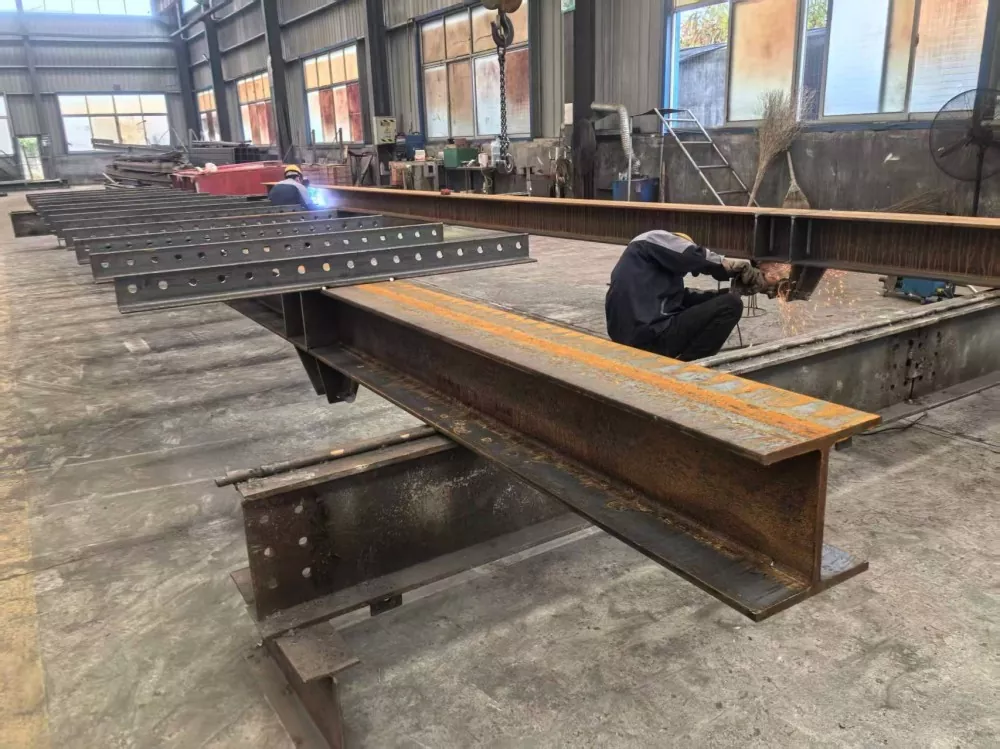
Welding is executed with full‑penetration techniques, and all critical joints undergo visual and non‑destructive inspection to ensure zero defects. The entire structure is finished with two coats of anti‑rust primer and two topcoats, or hot‑dip galvanised with a zinc layer of at least 85 micrometres for outdoor exposure.
The Inclined Steel Ladder for Safe Climbing incorporates multiple safety enhancements that distinguish it from conventional straight ladders. The incline itself reduces the effective climbing angle, which lowers the centre of gravity of the user and improves balance. In addition, LWY offers optional guardrail systems that run parallel to the ladder sides, providing continuous handhold support. For heights above 3 metres, we recommend installing a safety cage or hoop system, which is designed to encase the climber and prevent falls from the rear or sides.
Anti‑slip treatments are applied to all rungs – either through knurling, welded anti‑slip strips (Ø6 mm round steel at 10–15 mm intervals), or abrasive coatings – to maintain traction in oily, wet, or dusty conditions. Furthermore, we incorporate a toe‑board at the base to prevent tools or debris from dropping onto personnel below. Every ladder is supplied with a detailed installation manual that includes torque specifications for anchor bolts and recommended clearance distances from adjacent structures.
LWY Steel Structure has delivered Inclined Steel Ladders for Safe Climbing to a variety of sectors, including power generation, water treatment, petrochemicals, and logistics warehouses. In power plants, these ladders provide access to turbine mezzanines and boiler inspection hatches, where the inclined design allows operators to carry tools and instruments more securely. Water treatment facilities benefit from the corrosion‑resistant galvanised finish, while warehouses use them for accessing high‑bay storage racks and conveyor maintenance platforms.
Typical installation points include:
● Permanent access to rooftop HVAC equipment.
● Connection between ground level and intermediate mezzanine floors.
● Emergency egress from elevated control rooms.
● Maintenance access to bridge cranes and hoist rails.
● Outdoor walkways and pipe rack crossings.
Each ladder is designed to comply with local building codes and occupational safety standards, with LWY providing full documentation including structural calculations, material certificates, and CE declaration of performance (EN 1090) when required.
To help procurement teams make informed decisions, the table below compares the Inclined Steel Ladder for Safe Climbing with conventional vertical ladders and fixed stairways, highlighting key performance indicators.
| Feature | Inclined Steel Ladder (LWY) | Vertical Steel Ladder | Fixed Steel Stairway |
|---|---|---|---|
| Climbing angle | 60° – 75° | 90° | 30° – 45° |
| Physical effort per climb | Moderate | High | Low |
| Space footprint | Medium (requires horizontal run) | Minimal | Large (requires extensive floor area) |
| Typical maximum single rise | 6 metres | 6 metres | 12+ metres (with landings) |
| Rung spacing (centre‑to‑centre) | 250 mm | 250 mm | Not applicable (steps) |
| Anti‑slip standard | Knurling / welded strips / coating | Knurling / welded strips / coating | Checker plate or grit strips |
| Safety cage requirement | Optional for heights >3m | Mandatory for heights >3m | Handrails mandatory, cages not typical |
| Installation complexity | Moderate (requires angled brackets) | Low (vertical mounting) | High (stringers and landings) |
| Typical cost per metre rise | $$ | $ | $$$ |
| Best suited for | Frequent climbing, moderate space, safety priority | Occasional access, tight spaces | High‑traffic, public or disabled access |
This comparison demonstrates that the Inclined Steel Ladder offers an optimal balance between safety, cost, and spatial efficiency, making it the preferred choice for maintenance routes and equipment access in industrial settings where stairways are too expensive and vertical ladders are too strenuous.
LWY Steel Structure maintains ISO 9001‑2016 certification and follows a strict three‑stage quality control protocol. Incoming steel coils and sections are tested for chemical composition and tensile strength; during fabrication, dimensions, weld quality, and surface finish are checked at each work station; and final inspection verifies overall geometry, coating thickness, and hardware completeness. Our products meet CE requirements under EN 1090 for structural steel, and we can also supply ladders conforming to OSHA (USA), AS/NZS 1657 (Australia), and CSA Z‑11 (Canada) standards upon request.
All test reports, including mill certificates, weld maps, and galvanising thickness records, are compiled into a comprehensive dossier delivered with each order. This documentation ensures full traceability and simplifies your project's acceptance process, whether you are an engineering contractor or a facility owner.
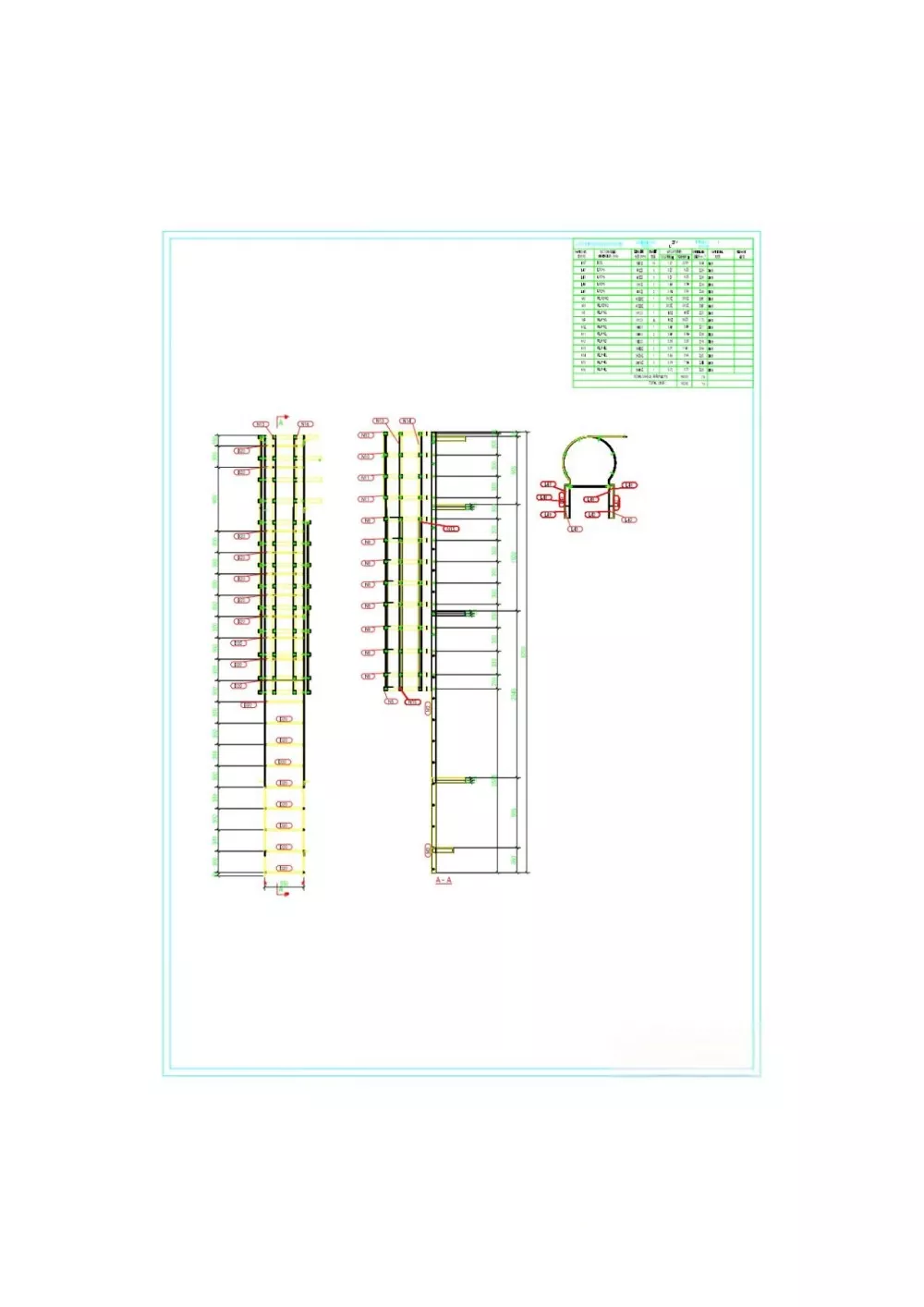
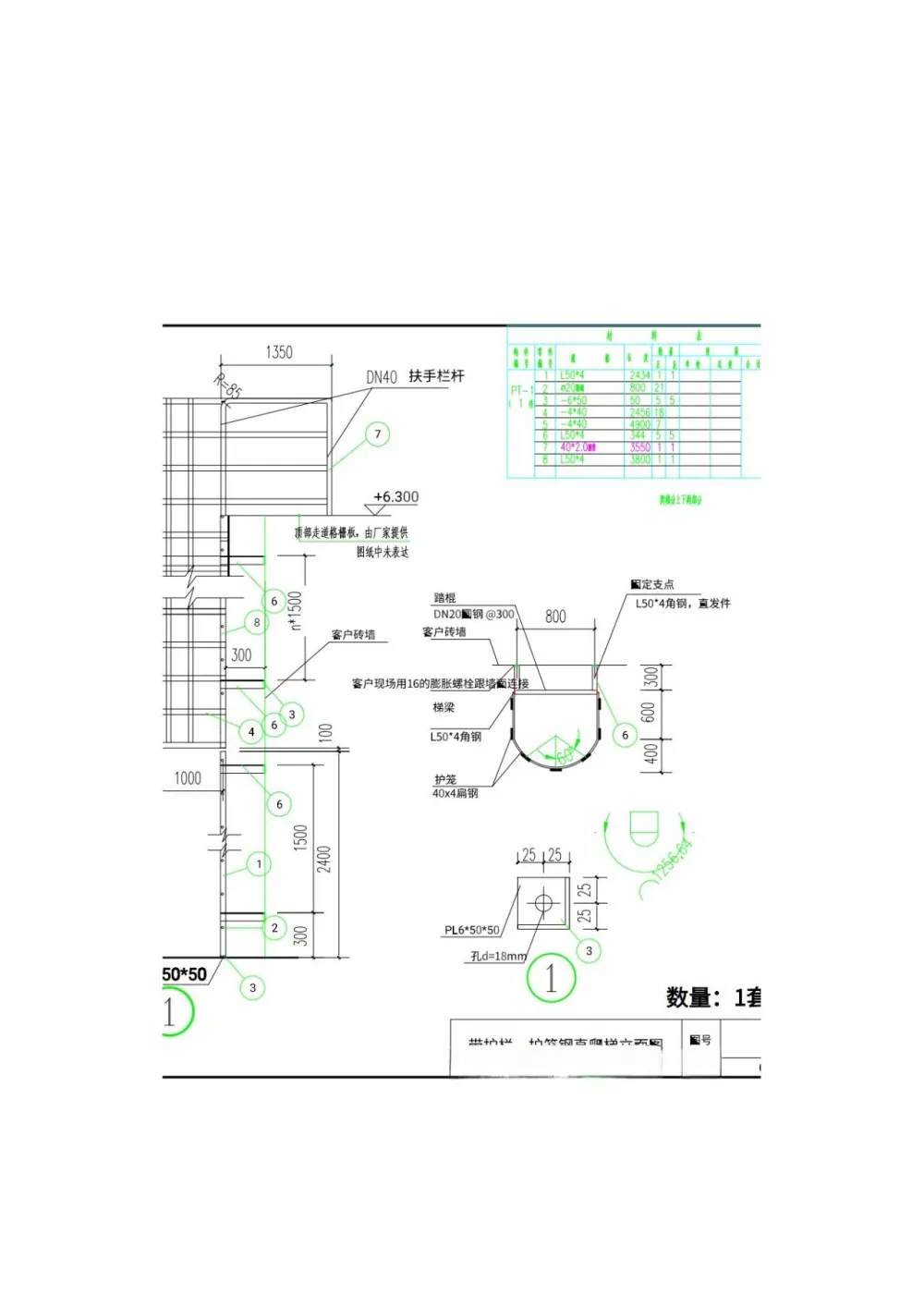
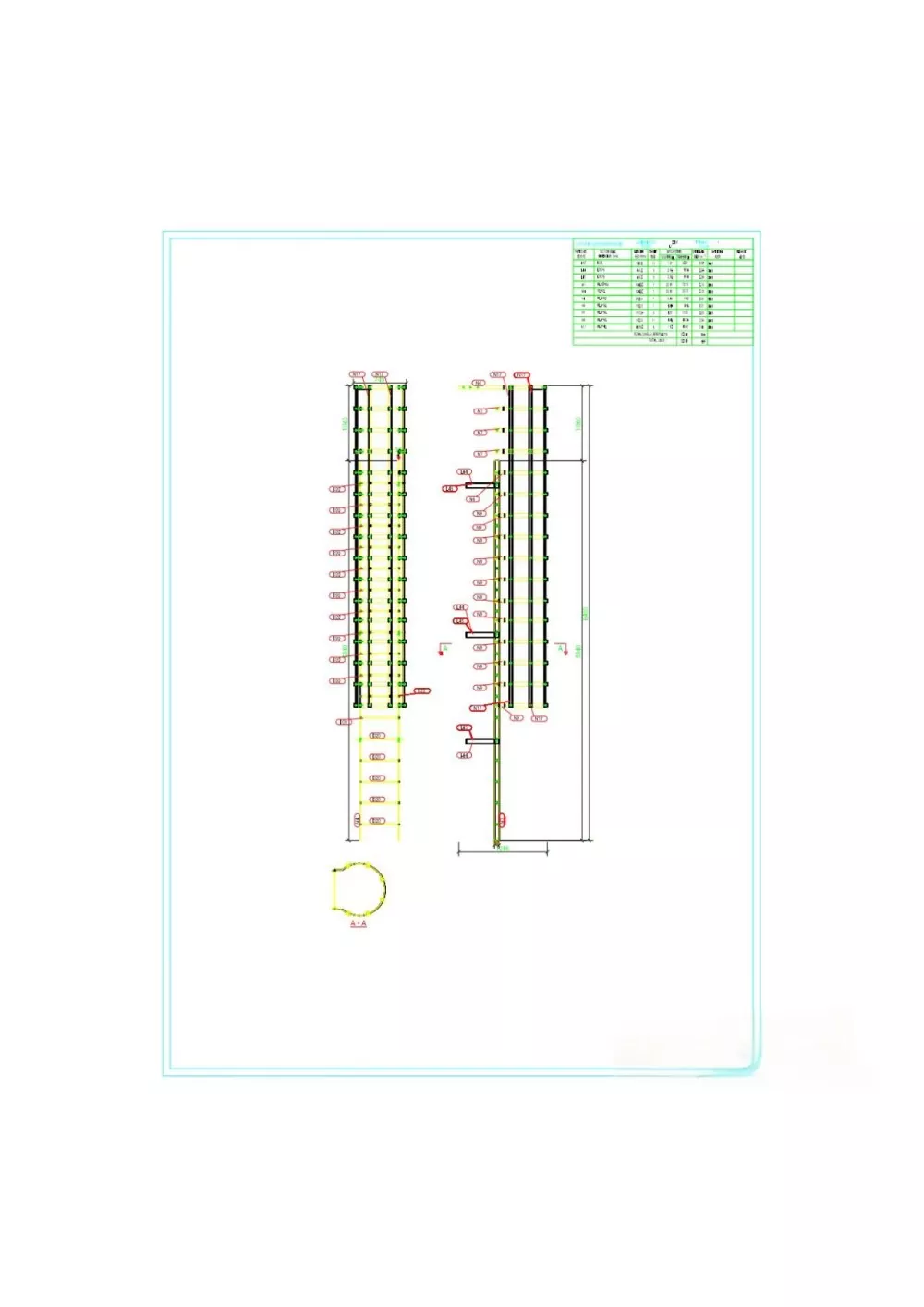
Clients can customise the Inclined Steel Ladder for Safe Climbing in several ways: choose the overall height, inclination angle, beam profile, rung type, surface finish, and safety accessories. LWY's engineering team will produce shop drawings and 3D models for your approval before production commences. Standard lead time is 30 working days after order confirmation, with expedited options available for urgent projects. We also offer batch shipping for large quantities, allowing you to manage site logistics efficiently.
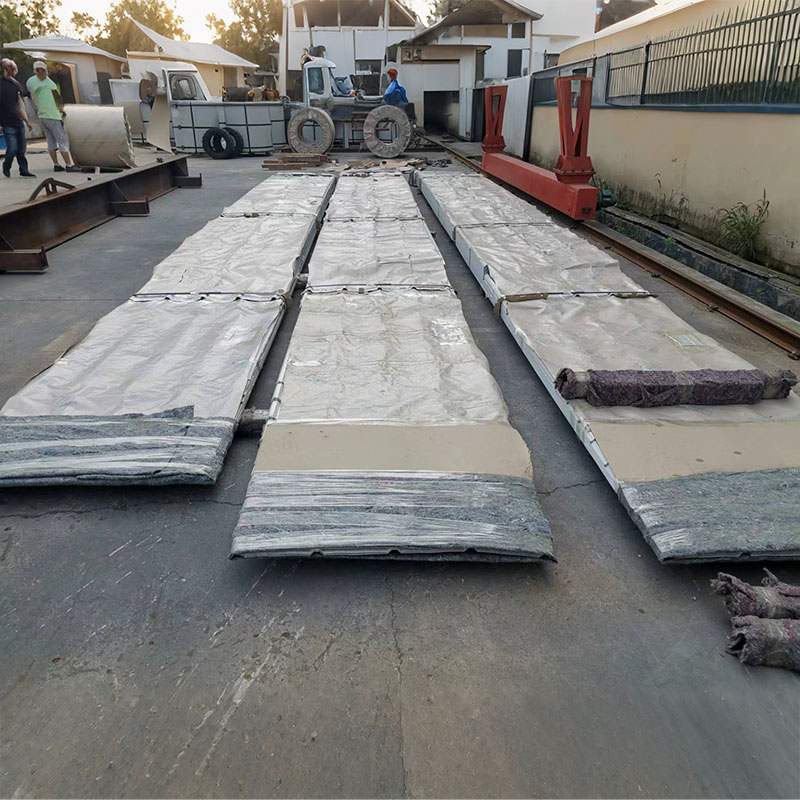
For international buyers, LWY handles export packaging, container loading, and all necessary shipping documents. Our sales team provides transparent quotations that include FOB or CIF terms, and we assist with customs clearance by supplying commercial invoices, packing lists, and certificates of origin.
Every shipment includes a detailed installation guide with step‑by‑step instructions, torque values for bolted connections, and recommended lifting procedures. For complex sites, LWY offers remote video guidance or on‑site technical supervision (travel costs borne by the client). Our after‑sales commitment covers a 12‑month warranty on structural integrity and a 24‑hour response to any quality concerns. If a defect is traced to our workmanship, we undertake free rework or replacement, with expedited reshipping at our expense.
We also provide spare parts – rungs, brackets, anti‑slip strips, and fixings – to ensure your ladder remains serviceable throughout its lifecycle. Periodic inspection checklists are supplied to help your maintenance team monitor wear and corrosion, prolonging the equipment's operational life.
Q: What is the recommended inclination angle for an inclined steel ladder used in a chemical plant?
A: For chemical plants where workers may carry tools or sampling devices, LWY recommends an angle between 65° and 70° from horizontal. This provides a good balance between climbing ease and space economy. We adjust the angle based on your site dimensions and frequency of use – our engineering team will calculate the optimal angle and provide a layout drawing for your approval.
Q: Can the Inclined Steel Ladder for Safe Climbing be installed outdoors in coastal areas?
A: Yes. For outdoor coastal installations, we strongly recommend hot‑dip galvanising with a zinc coating thickness of at least 85 micrometres, which offers superior resistance to salt spray and humidity. Additionally, we can use stainless steel fasteners and apply a marine‑grade topcoat for added protection. All material selections are documented in our corrosion protection plan.
Q: How do I determine if I need a rest platform on my inclined ladder?
A: According to international safety standards, a rest platform is mandatory whenever the vertical rise between landings exceeds 6 metres. For inclined ladders, the same rule applies – the total climb distance should be broken at intervals not exceeding 6 metres in vertical height. LWY will compute the platform locations based on your overall elevation and provide a design that meets regulatory requirements.
Q: Are the rungs interchangeable with those of vertical ladders?
A: The rungs themselves are dimensionally identical (22 mm diameter round steel), but the bracket orientation differs for inclined mounting. However, we supply rungs as standard components, and they can be replaced without modifying the main beams. We recommend keeping a set of spare rungs in stock for quick maintenance.
Q: What is the typical delivery time for a customised inclined ladder shipped to Europe?
A: Production typically takes 30 days from final drawing approval. Sea freight to European ports adds approximately 25–35 days, depending on the destination. LWY can arrange air freight for urgent small orders. We provide a detailed shipping schedule with tracking information once the goods are dispatched.